 John Myers
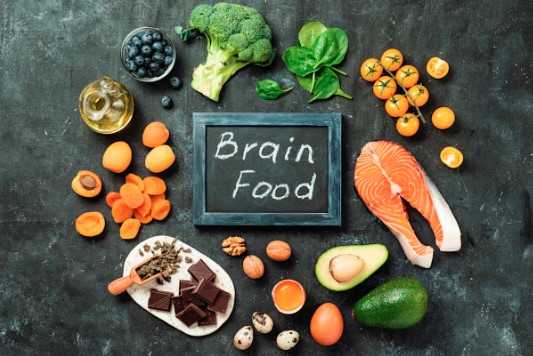
Introduction: Why Your Brain Needs the Right Food
Your brain is one of the most vital organs in your body, responsible for a wide range of functions such as memory, cognition, and emotion control. To maintain optimal brain health and function, it is important to nourish it with the right types of food. Just like any other part of your body, your brain needs essential nutrients to function properly. In this article, we will provide you with a list of the top foods that are beneficial for brain health and function.
The Top Foods for Brain Health and Function
1. Fatty Fish: Rich in Omega-3 Fatty Acids
Fatty fish, such as salmon, mackerel, and sardines, are rich in omega-3 fatty acids. These healthy fats are essential for brain function and development. Omega-3 fatty acids play a crucial role in building brain cell membranes, improving blood flow to the brain, and reducing inflammation. Studies have shown that consuming fatty fish can improve memory, focus, and overall brain health.
2. Berries: Packed with Antioxidants and Phytochemicals
Berries, such as blueberries, strawberries, and blackberries, are packed with antioxidants and phytochemicals. These nutrients help protect the brain from oxidative stress and inflammation, which can damage brain cells. Consuming berries has been shown to improve memory, cognitive function, and even delay age-related cognitive decline.
3. Nuts and Seeds: High in Vitamin E and Healthy Fats
Nuts and seeds, such as almonds, walnuts, and flaxseeds, are high in vitamin E and healthy fats. Vitamin E is an antioxidant that helps protect the brain from free radical damage. The healthy fats found in nuts and seeds are essential for brain function and development. Studies have shown that consuming nuts and seeds can improve memory and cognitive function.
4. Leafy Greens: Full of Brain-Boosting Nutrients
Leafy greens, such as spinach, kale, and broccoli, are full of brain-boosting nutrients. These greens are high in vitamins and minerals that are essential for brain health, such as vitamin K, folate, and iron. Studies have shown that consuming leafy greens can improve memory and cognitive function.
5. Whole Grains: Provide Essential B Vitamins and Fiber
Whole grains, such as brown rice, quinoa, and oatmeal, provide essential B vitamins and fiber. B vitamins are important for brain function and development, as they help support the nervous system. Fiber helps regulate blood sugar levels, which is important for maintaining cognitive function. Studies have shown that consuming whole grains can improve memory and cognitive function.
Conclusion: The Importance of a Balanced and Nutritious Diet
In conclusion, consuming a balanced and nutritious diet is essential for optimal brain health and function. The top foods for brain health and function include fatty fish, berries, nuts and seeds, leafy greens, and whole grains. These foods are rich in essential nutrients such as omega-3 fatty acids, antioxidants, and B vitamins, which are important for brain function and development. By incorporating these foods into your diet, you can improve memory, cognitive function, and overall brain health.
References and Further Reading
- Morris MC, Tangney CC. “A potential role for dietary n-3 fatty acids in the prevention of dementia and cognitive decline.” Am J Clin Nutr. 2012 Jul;95(1):1-2.
- Devore EE, Kang JH, Breteler MM, Grodstein F. “Dietary intakes of berries and flavonoids in relation to cognitive decline.” Ann Neurol. 2012 Jul;72(1):135-43.
- Arab L. “Individualized nutritional recommendations: do they work in the prevention of chronic diseases?” Am J Clin Nutr. 2007 Feb;85(2):487S-492S.
- Johnson EJ. “Vision and aging.” Vision Res. 2015 Sep;111(Pt B):223-8.
- Morris MC, Tangney CC. “Dietary fat composition and dementia risk.” Neurobiol Aging. 2014 Jul;35 Suppl 2:S59-64.



Facebook Comments