 John Myers
The Essential Role of Rice in Cambodian Cuisine
Rice is the staple food in Cambodian cuisine, and it plays a crucial role in the daily lives of Cambodians. Cambodian cuisine is known for its simple yet flavorful dishes that often feature rice as the main ingredient. Rice is not only a source of sustenance but also a significant cultural symbol that represents prosperity, fertility, and unity in Cambodia. In Cambodian cuisine, rice is usually accompanied by a variety of dishes such as stews, soups, curries, and stir-fries, among others.
The Historical and Cultural Significance of Rice in Cambodia
Rice has been an integral part of Cambodian culture for centuries. The cultivation of rice in Cambodia dates back to the Angkor period, which lasted from the 9th to the 15th century. During this period, a complex system of rice cultivation, irrigation, and storage was developed, which enabled the Khmer people to produce surplus rice and sustain their civilization. Rice is also deeply ingrained in Cambodian folklore, art, and religion, and it is often associated with the goddess of rice, Neang Konghing.
The Different Varieties of Rice and their Culinary Uses in Cambodian Dishes
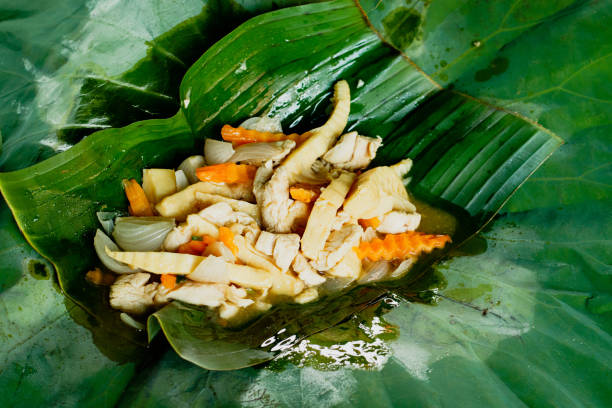
Cambodia has a rich variety of rice types, each with its unique flavor, texture, and color. The most common types of rice used in Cambodian cuisine are Jasmine rice, Glutinous rice, and Fragrant rice. Jasmine rice is a long-grain rice that is fragrant and flavorful, and it is often used to make stir-fries, soups, and curries. Glutinous rice, also known as sticky rice, is a short-grain rice that is chewy and sticky when cooked, and it is typically used to make desserts or eaten as a side dish with savory dishes. Fragrant rice, also known as Phka Rumduol, is a medium-grain rice that is sweet-smelling and slightly nutty, and it is often used to make rice porridge and salads. Cambodian cuisine also features a variety of rice-based dishes such as Amok trey, a popular fish curry steamed in banana leaves, and Kuy teav, a noodle soup made with rice noodles and meat or seafood.
In conclusion, rice is not just a staple food in Cambodian cuisine but also a cultural symbol that represents the country’s history, traditions, and way of life. The different varieties of rice and their culinary uses showcase the diversity and richness of Cambodian cuisine. Rice is an essential ingredient that brings together Cambodian families and communities, and it is a testament to the resilience and ingenuity of the Khmer people who have cultivated and cherished this precious crop for generations.


Facebook Comments