 John Myers
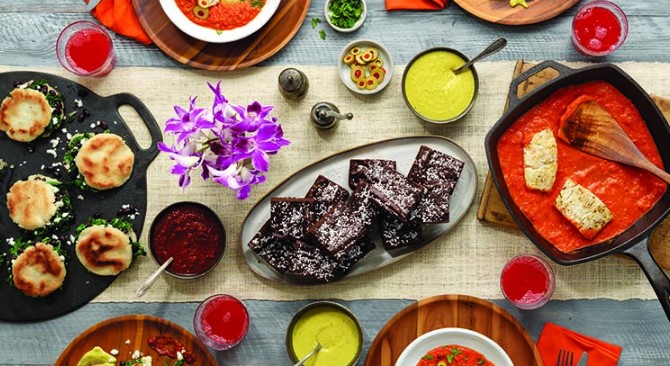
Introduction: What is Venezuela culture with food?
Venezuelan food is a delicious fusion of flavors and influences that reflect the country’s diverse cultural heritage. This South American country has a rich gastronomy that combines indigenous, African, and European culinary traditions, resulting in a unique and flavorful cuisine. From arepas to pabellón criollo, Venezuelan food is a feast for the senses.
A melting pot of flavors and influences
Venezuela is a melting pot of cultures, and its food is no exception. Indigenous ingredients such as corn, beans, and plantains coexist with African spices and European cooking techniques to create a diverse and flavorful cuisine. Venezuelan food is also influenced by the country’s geography, which ranges from the Andes Mountains to the Caribbean Sea. Coastal cuisine, for example, includes an array of seafood and tropical fruits that reflect the region’s maritime heritage.
Corn, beans, and plantains: staples of the Venezuelan diet
Corn, beans, and plantains are the foundation of Venezuelan cuisine. Corn is used to make arepas (more on this later), cachapas (corn pancakes), and hallacas (a traditional Christmas dish). Beans are a staple in many dishes, including the classic pabellón criollo. Plantains are a versatile ingredient that can be boiled, fried, or mashed and used in a variety of dishes such as patacones (fried plantain slices) and tajadas (fried plantain chips).
Arepas: the most iconic Venezuelan dish
Arepas are perhaps the most iconic Venezuelan dish. These gluten-free, cornmeal cakes are filled with a variety of savory ingredients, such as cheese, ham, and avocado. They are a staple of Venezuelan breakfast and are often eaten throughout the day. Arepas can be grilled, fried, or baked and are a versatile and delicious part of Venezuelan cuisine.
Pabellón Criollo: a plate that represents Venezuela
Pabellón criollo is a dish that represents Venezuela’s culinary heritage. It consists of shredded beef, black beans, rice, and fried plantains. This hearty plate is a staple of Venezuelan cuisine and can be found in homes and restaurants throughout the country. Pabellón criollo is a dish that Venezuelans are proud of and is often served at special occasions.
Seafood and tropical fruits: coastal cuisine
Venezuela’s coastal cuisine is a celebration of seafood and tropical fruits. With a coastline that spans over 2,800 kilometers, seafood is an important part of the country’s gastronomy. Ceviche, grilled fish, and shrimp are just a few examples of the delicious seafood dishes found in Venezuela. Tropical fruits such as mango, papaya, and passionfruit are also used in a variety of dishes and drinks, adding a sweet and refreshing touch to coastal cuisine.
Desserts and drinks: sweet endings and refreshing options
Venezuelan desserts are a sweet ending to any meal. Quesillo (Venezuelan flan), tres leches cake, and arroz con leche (rice pudding) are some of the most popular desserts. Venezuelan drinks are also a refreshing option in the country’s tropical climate. Chicha (a fermented corn drink), papelón con limón (a refreshing lemonade made with sugar cane), and rum-based cocktails are just a few examples of Venezuela’s delicious beverages.
Food plays an important role in Venezuelan culture. Sharing a meal with family and friends is a way to connect and celebrate. Special occasions such as weddings, birthdays, and religious holidays are often marked by traditional dishes such as hallacas, pan de jamón (bread filled with ham and raisins), and dulce de lechosa (candied papaya). Food is a way to celebrate Venezuela’s cultural heritage and connect with others.


Facebook Comments