 John Myers
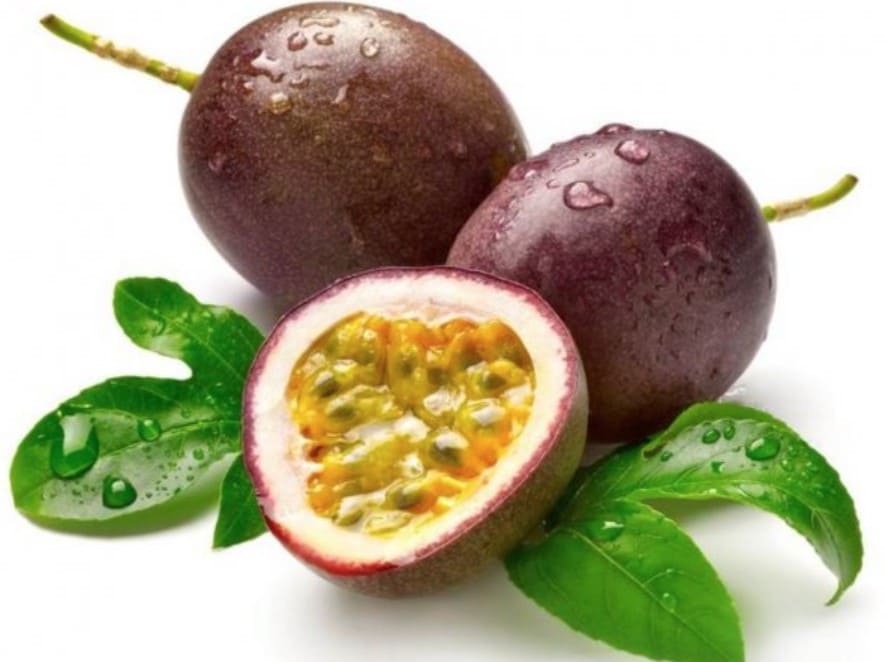
The grenadilla is a tropical fruit from the passion fruit family. It is grown in Central and South America and parts of Africa, Australia, Asia, and the Pacific Islands. The climbing plant only thrives in tropical and subtropical regions and can grow up to 80 meters long and 10 meters high.
The fruits of the grenadilla are often referred to as “sweet passion fruit” and are reminiscent of a hen’s egg in shape and size. The orange skin has light speckles and is smooth and woody. The pulp and seeds are edible. The flesh is yellowish-white, viscous or jelly-like and has a sweet taste with a light, subtle acidity. The aroma of the fruit is reminiscent of sweet citrus fruits and gooseberries. The edible seeds are black and quite crunchy.
The fruits are usually harvested when they are ripe and then only keep for a very short time, refrigerated for about one to two weeks. They are eaten as fruit and can be easily opened and scooped out with a sharp knife. You can sprinkle them with a little lemon juice. Lime juice is also suitable for giving the fruit a more intense aroma. A bit of pepper gives the grenadilla more depth.
The fruit can be processed into juices or desserts. To give drinks a fruity note, you can easily remove the seeds by passing the pulp through a sieve. Keep the kernels, for example, to add a crunchy component to desserts. Their aroma goes well with dairy products and is therefore suitable as an ingredient in desserts based on milk ice cream, yoghurt, or cottage cheese. Grenadilla seeds are also suitable as a crunchy addition to morning muesli.


Facebook Comments