 John Myers
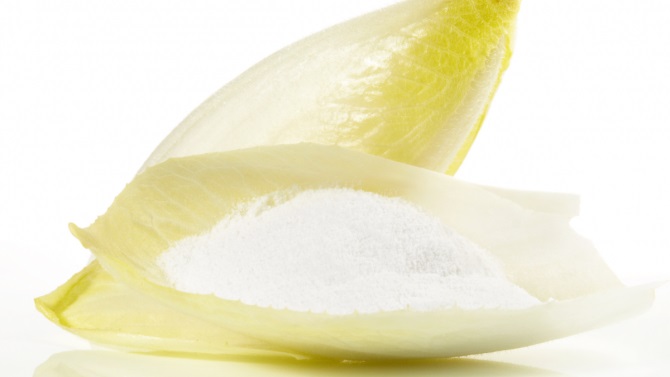
If you do not want to consume inulin as a component of plant foods, but rather as a powder, you should pay particular attention to your individual sensitivity. A reputable source is also important. Above all, this applies to products that contain other additives, because: ” Purely plant-based does not always mean harmless “.
Terms such as “eco”, “organic”, “biological” or “ecological” on food are protected and reliably indicate ecological origin. Organic products usually do not contain residues of pesticides, but they can also contain natural pollutants or illegal new plants.
Inulin is a mixture of polysaccharides. Many plants store inulin as a reserve substance. Inulin is contained, for example, in legumes, wheat, chicory, artichokes, parsnips, Jerusalem artichoke, black salsify, leeks or asparagus.
Inulin is often added to food as a source of dietary fiber, for example in baked goods, milk products, fruit juices and muesli bars, but also in confectionery, baby food, dietary supplements or sausages. These additives, known as prebiotics, reach the large intestine and are mainly used there as food by bifidobacteria. The prebiotics are intended to promote the growth of these beneficial bacteria in the intestines, inhibit the growth of unwanted bacteria and have a positive effect on intestinal activity.
However, sensitive people can get flatulence or diarrhea with less than 10 grams a day, especially if the inulin is an additive in liquid foods, for example in breakfast drinks. This is due to the poor utilization of inulin in the small intestine and the rapid processing by the bacteria in the large intestine.
Depending on eating habits, intake from plant sources in Germany is between 3 and 11 grams per day. Most people can take up to 30 grams throughout the day without major problems. Those who switch to eating more plant-based foods can also get their digestive system used to larger amounts.


Facebook Comments