 John Myers
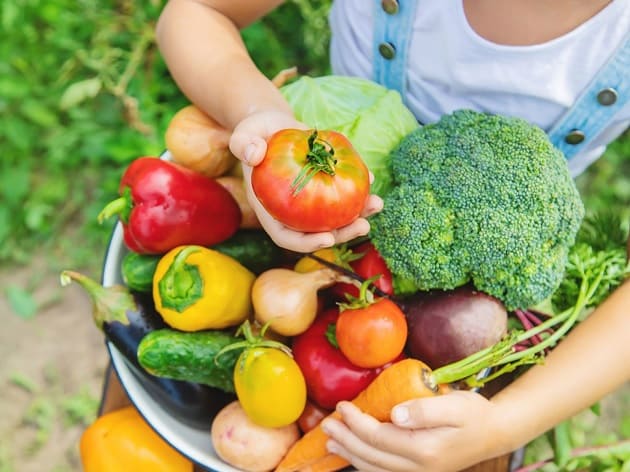
In principle, almost any vegetable can be grown in your own garden. However, easy-care and high-yielding varieties are best suited for beginners and less experienced hobby gardeners. These include, for example, pumpkins, courgettes, onions, garlic, chard, leeks, certain types of beans and lettuce, and potatoes. If you have a small greenhouse, you can also try your hand at tomatoes of all kinds, cucumbers, and eggplants.
You should first grow pumpkins and courgettes indoors, i.e. let the seeds germinate in pots. You can put the young plants outside after May 15, when night frosts are usually no longer to be expected. Mature plants grow quite large, so plant them one to five meters apart – squash needs more space than courgettes. Prefer sunny locations, as the fruits will then be larger. Harvest zucchini as soon as they have reached a size of about 20 centimeters. The harvest time for pumpkins is between September and October. Cut the fruit off the plant with a sharp knife.
You can plant garlic in autumn and spring, and onions in spring. Both prefer sunny places. Bury germinating garlic cloves or seed onions in the ground so that the cloves are well covered and the tips of the onions are sticking out. As soon as the herb begins to dry up, the vegetables should be ready to harvest.
You can get leek plants in many nurseries, you just have to plant them in your garden. Leeks can usually tolerate cold well, so you can harvest fresh vegetables even in winter. You can sow and grow chard yourself, then you can harvest leaf by leaf regularly in summer – new ones keep growing.
You can plant early potato varieties in the garden as early as March, and later potatoes in April and May. At a depth of 15 centimeters with a distance of 30 centimeters, place the vegetables in the soil, and the potato sprouts point upwards. When the greens of the potato sprout from the soil, cover them with soil or compost. You can then harvest them in September.
At the end of May and June, you can plant French beans and runner beans in the ground. They like it warm, otherwise, the plants are easy to care for. An uncomplicated type of lettuce is arugula. The slightly sharp, bitter taste also keeps many snails away. To protect your vegetables from pests and at the same time protect your back, you can also grow them in a raised bed.



Facebook Comments