 Robert Zelesky
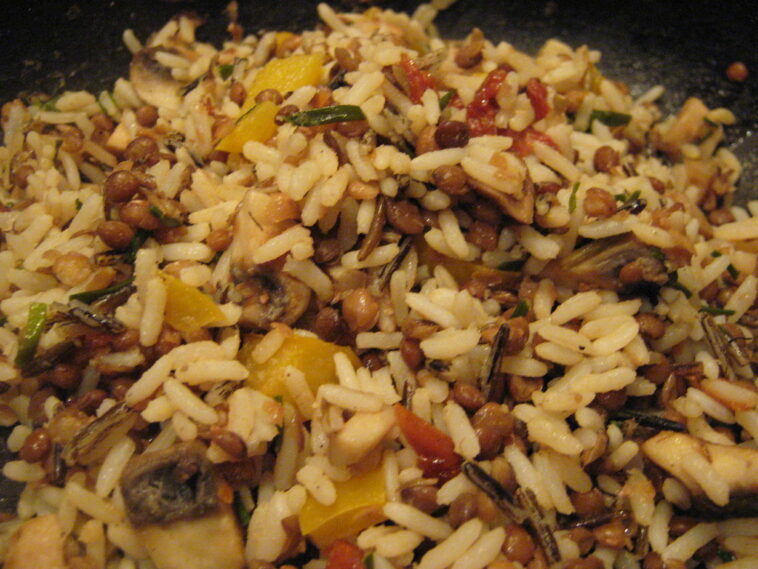
Wild rice pilaf is a versatile and nutritious dish that combines the earthy flavors of wild rice with a variety of vegetables, herbs, and sometimes nuts or dried fruits. Originating from Native American culinary traditions, wild rice pilaf has become a popular side dish across North America, celebrated for its robust flavor and health benefits. Let’s explore the history, ingredients, preparation, and cultural significance of wild rice pilaf, along with a delicious recipe to prepare this wholesome dish at home.
History and Cultural Significance:
Wild rice, known scientifically as Zizania, is native to North America and has been a staple food for Indigenous peoples, particularly those in the Great Lakes region and Northern Minnesota. Traditionally, wild rice was harvested by hand from lakes and rivers using canoes and wooden knocking sticks, a practice that continues today among Native American communities. Wild rice holds cultural significance and is often used in ceremonies and celebrations, symbolizing prosperity, health, and connection to the land.
Wild rice pilaf evolved as a way to combine this nutritious grain with locally available ingredients such as vegetables, herbs, and meats, creating a hearty and satisfying dish. Today, wild rice pilaf is enjoyed not only for its delicious flavor but also for its health benefits, as wild rice is rich in protein, fiber, antioxidants, and essential minerals.
Ingredients:
For the Wild Rice Pilaf:
- 1 cup wild rice, rinsed
- 2 cups chicken or vegetable broth (or water)
- 1 tablespoon olive oil or butter
- 1 small onion, finely chopped
- 2 cloves garlic, minced
- 1 celery stalk, finely chopped
- 1 carrot, finely chopped
- 1/2 cup sliced mushrooms (optional)
- 1/4 cup slivered almonds or chopped pecans (optional)
- 1 tablespoon fresh thyme leaves (or 1 teaspoon dried thyme)
- Salt and pepper to taste
- Fresh parsley, chopped (for garnish)
Instructions:
1. Cook the Wild Rice:
- In a medium saucepan, bring the chicken or vegetable broth (or water) to a boil. Add the rinsed wild rice, reduce heat to low, cover, and simmer for 40-45 minutes, or until the rice is tender and most of the liquid is absorbed. Remove from heat and let it sit, covered, for 5-10 minutes.
2. Prepare the Vegetable Mixture:
- While the wild rice is cooking, heat olive oil or butter in a large skillet over medium heat. Add chopped onion, garlic, celery, carrot, and mushrooms (if using). Cook, stirring occasionally, until the vegetables are softened and lightly golden, about 5-7 minutes.
- Stir in fresh thyme leaves (or dried thyme) and cook for another minute until fragrant. Season with salt and pepper to taste.
3. Combine and Serve:
- Add the cooked wild rice to the skillet with the vegetable mixture. If using, add slivered almonds or chopped pecans for added texture and flavor.
- Gently toss everything together until well combined and heated through. Adjust seasoning if necessary.
4. Garnish and Serve:
- Transfer the wild rice pilaf to a serving dish or individual plates. Garnish with fresh chopped parsley for a pop of color and added freshness.
Tips for Serving:
- Variations: Customize your wild rice pilaf by adding dried cranberries or apricots for a touch of sweetness, or incorporate cooked chicken, turkey, or sausage for a heartier meal.
- Pairings: Serve wild rice pilaf as a side dish with roasted chicken, grilled fish, or as a vegetarian main course alongside a crisp green salad.
- Storage: Leftover wild rice pilaf can be stored in an airtight container in the refrigerator for up to 3-4 days. Reheat gently in the microwave or on the stovetop with a splash of broth or water to refresh.
Conclusion:
Wild rice pilaf offers a delicious and nutritious way to enjoy the unique flavors and health benefits of wild rice, combined with a variety of vegetables and nuts. Whether served as a side dish or a main course, this versatile dish is sure to please with its earthy richness and satisfying texture. Embrace the cultural heritage of wild rice and celebrate its role in North American cuisine with this recipe, and savor the wholesome goodness of wild rice pilaf as a nourishing addition to your table.



Facebook Comments