 John Myers
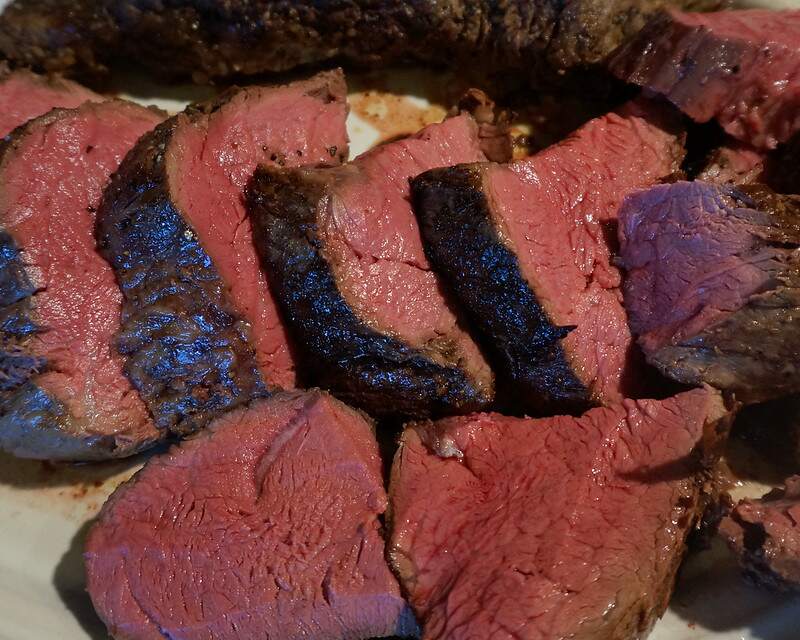
Can you just as easily cover your protein requirements with vegetable protein – especially as an athlete? One can. However, animal protein has a few advantages.
That’s what it’s about
Animal protein is considered superior
For years, meat eaters and vegans have been arguing about which protein is better: animal or plant-based. In fact, animal protein has caused the human brain to grow significantly over the past 2.5 million years. Only: That doesn’t rule out the possibility that it wouldn’t have worked with plant-based protein.
Many athletes rely on lean meat and milk protein powder for muscle growth. But now some athletes – and even whole teams – train on a vegan basis. So, apart from other nutrients, the question arises: What exactly distinguishes the proteins from animal and vegetable sources? Is one healthier, better suited to humans—or does one make muscles grow faster?
So we should talk about it:
In fact, animal protein has benefits
Animal protein is more similar to humans, so it is more practical: Meat, fish, milk and eggs contain the important and essential amino acids (those that the body cannot produce itself), the building blocks of proteins – and usually in an easily digestible form . The result: it is absorbed by the body a little faster . However, the average athlete will not notice any really measurable effects.
Scientists are trying to use various indices to classify the quality of the proteins – via the composition of the amino acids. These usually show the same tendency: Animal proteins usually have better values than vegetable protein sources.
These values define the protein quality
A value that is often used to classify the quality of proteins is the biological value (BW). It indicates how well the proteins from food can later be converted into body proteins. An egg has a biological value of 100 – an arbitrary value by which the protein quality of other foods can be measured. It can only be increased by combining several foods. Potato plus egg has the maximum biological value: 136.
There are five other methods by which protein quality can be classified, including the Amino Acid or Chemical Index (AI/CI), the Protein Efficiency Ratio (PEV), the Nitrogen to Protein Utilization (SPV), the Index for Digestible Essential Amino Acids (DIAAS) and the also very common (warning, dreadful name): Amino Acid Index Corrected for Protein Digestibility (PDCAAS). They all have their strengths and weaknesses, for example because the measurements are carried out on rats or small children, which have different requirements because the latter are still growing.
But:
The theory has little to do with practice
Animal and plant products basically contain one and the same amino acid. Only the composition and quantity differs from food to food. So we can get all of the amino acids, which are the building blocks of proteins and therefore also of all important enzymes, from both sources . They are all broken down in the stomach and intestines and enter the bloodstream in the same way.
Our bodies also have the ability to store, recycle, and convert excess amino acids. A large part of the amino acids is broken down once in the body and later reassembled – no matter what source they come from. In the event of a deficiency, the body can synthesize certain amino acids itself – with the exception of the essential amino acids . They only get into the body through food.
The fact is: Animal foods usually offer a better all-round package
In any case, as far as protein supply is concerned – that can be seen from the various indices. Most animal foods also contain the important amino acids that muscles need for adaptation and regeneration in the optimal ratio (2:1:1 ratio of the essential amino acids leucine, isoleucine and valine). This is said to be beneficial for muscle regeneration.
But what the indices don’t say: Nobody eats only rice, only beans or only bread. Most dishes have a much longer list of ingredients. As a result, the food is properly mixed in everyday life, so that even the supposedly weaker vegetable protein sources can provide people with all the necessary amino acids with a whole meal without any problems .
The biological value, for example, increases through the combination of foods (because some amino acids overlap, the values do not simply add up). The popular example of eggs and potatoes can achieve a biological value of 136, but is not very practical for many athletes. Although the potato contains many different amino acids, the amount of protein is only two percent – only a tenth of what beans provide. So for the required quantities, the athlete has to devour a fairly large portion.
And now?
Plant-based sources of protein may be healthier in the long run
Even those who pay attention to an increased protein intake, for example in weight training, can switch to vegetable protein with a little basic knowledge. In studies, researchers have come to the conclusion that rice protein is on a par with whey protein, which is often used in shakes. Nevertheless, the American College of Sports Medicine recommends whey protein as optimal for faster recovery from training sessions – also because the body absorbs it faster.
However, the choice of protein source should not only be based on which proteins end up in muscle mass faster. More and more studies indicate that animal proteins are associated with an increased risk of cardiovascular disease . This is not the case with plant-based protein. There are only guesses as to why this is: for example the composition of the amino acids or secondary plant substances – other components of the plants that protect cell functions and the circulatory system.
The question is what you want
So the fact is: When it comes to intake, animal and vegetable protein can provide the necessary amino acids and also the amount of protein. However, meat or milk make it easier for many people – also because they often have a higher percentage of protein and you generally have to eat less.
In addition, there are more moral arguments, which plant protein has on its side – such as killing, pollution by greenhouse gases, water consumption and environmental pollution, for example by nitrate. These are far higher for meat than for a vegan diet. But that’s another discussion.
In any case, one thing is clear: A sensible diet consists not only of protein, but of all macronutrients and trace elements. It’s all about knowing what you’re eating . And in the end, no one can see if the biceps are bean protein or beef protein.


Facebook Comments