 John Myers
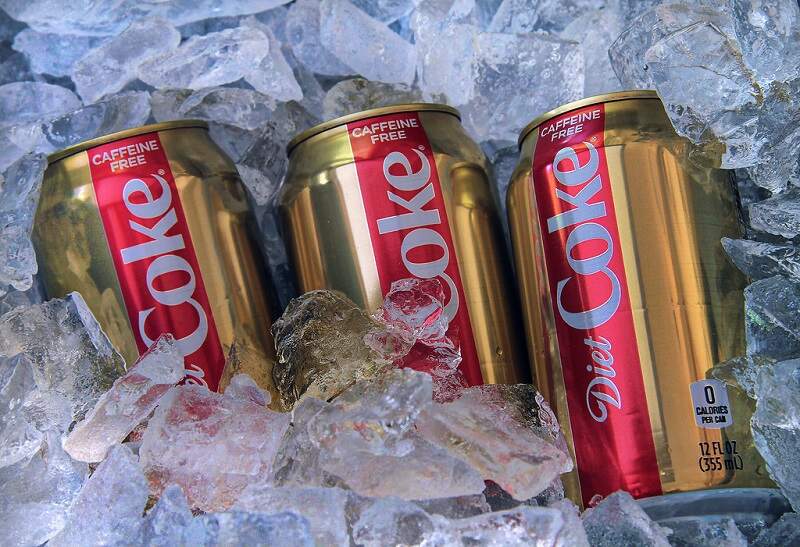
One calorie in half a liter: diet drinks are sweet and as low in calories as water. That’s why they are considered particularly light – a mistake.
That’s what it’s about:
The advertising portrays diet drinks as healthy
With popcorn in the cinema, as refreshment on hot days or at birthdays and parties – soft drinks are popular everywhere. So sweet and bubbly, you often can’t stop drinking it—and munching on hundreds of empty calories in the process. “Empty” because they contain no nutrients apart from simple carbohydrates and also do not fill you up.
For comparison: a glass with 200 milliliters of cola contains an average of 84 calories, a large apple about as many. One satisfies a light hunger as a snack, the other has no effect. Sugary drinks therefore make you fat particularly quickly. Those who frequently consume large amounts of it have an increased risk of obesity (severely overweight), type 2 diabetes mellitus, cardiovascular diseases and dental caries.
Fortunately, the beverage industry has found a solution to this problem: sugar is replaced with low-calorie sweeteners. These are, for example, aspartame or stevia. In the light or zero version, the glass of cola does not even contain one calorie. According to the advertising promise, the taste is still “real”. Theoretically, you could stop drinking water with a clear conscience and instead just pour light lemonades into yourself – it doesn’t make you fat. Or is it?
So we should talk about it:
They are low in calories but will not help you lose weight
How light diet drinks really are is not clear. There are various observational studies that even classify them as heavy fare. The subjects examined gained weight rather than weight after consumption. There was also an increased risk of type 2 diabetes and cardiovascular diseases, such as stroke or heart attack. So the products seem to do exactly what they’re not supposed to. Why is that?
Do light products increase the desire for sweets?
One problem is the taste: sweets activate the reward system in the brain, the organ releases dopamine – also known as the happiness hormone. So if you drink a lot and often soda, you get used to it. The body asks for more. On the one hand, this can mean that you reach for chocolate, cakes, etc. more often and gain extra calories through them – despite diet drinks. On the other hand, you may lose interest in healthy products that taste less sweet.
Another explanation of the observations is the so-called reverse causality. It is based on the assumption that overweight people in particular choose light drinks. That would distort the study results: if you compare the body mass index (BMI) of Coke and Diet Coke drinkers, the BMI of the light fraction would then be higher on average. But not because of the products themselves, but because of the different starting conditions.
Study situation is thin
It is therefore not certain how reliable the studies really are. These are often studies with few participants or observational studies. With these, people document their way of life, including eating and drinking behavior, over a longer period of time. In addition, researchers are investigating their health. From this they derive statements such as: “Anyone who eats an apple every day does not have to go to the doctor.” Whether the apple is really the decisive factor or whether other behaviors also play a role cannot be definitively answered. The same applies to light drinks and losing weight. It is possible that fans of sugar-free lemonade lead an unhealthy lifestyle or exercise less, which can also put a strain on their weight and cardiovascular system.
But:
Sometimes they can be an alternative
Even if it has not yet been clearly proven how positively or negatively diet drinks affect health, one thing is clear: every glass of soda that is replaced by the diet variant saves calories. In principle, the energy consumption is reduced in this way. This can help people who consume an above-average amount of sugary drinks to lose weight.
So switching is a good strategy for gradually reducing soft drink consumption. Especially in the context of weight loss programs, in which care is taken to ensure that the calories saved are not used elsewhere. Ultimately, however, the ultimate goal remains to switch from sweet drinks to water or other healthy drinks in the long term.
And now?
Better to drink water
If you have the choice between water and soda, you should always reach for water from a health perspective – even if the soda is light and sugar-free. The German Society for Nutrition explicitly does not recommend light drinks as part of a wholesome diet. For the 1.5 to 2 liters of fluid everyone should be drinking daily, water and unsweetened teas are your best options instead. Exceptions are occasionally allowed, just like snacking on chocolate and gummy bears. It’s different with children: Due to the possible negative effects, experts advise against giving the little ones diet soft drinks.
A healthier alternative for sweet drinks are juice spritzers in a mixing ratio of 3:1 (three parts water, one part juice). But the same applies here: enjoy in moderation, not in bulk.



Facebook Comments