 John Myers
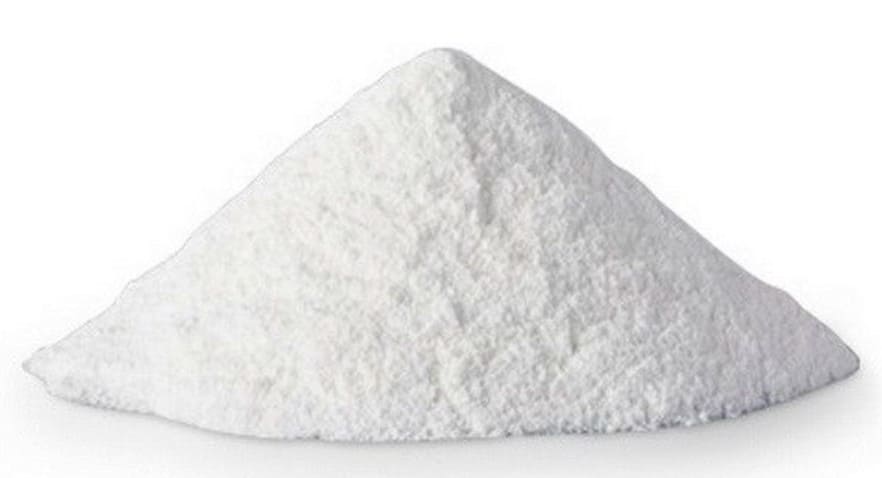
Icing sugar – what exactly is that? Dusting sugar is another word for icing sugar, which you will mostly find in Austrian baking recipes. Because there, but also in northern Italian South Tyrol and in some areas of Thuringia and in southern Saxony-Anhalt, powdered sugar is called icing sugar. It doesn’t matter what you call it: icing sugar or icing sugar is made by grinding refined white granulated sugar. The degree of grinding is so fine that the sugar has a powdery or dusty consistency – making it particularly suitable for baking fine pasta, sweetening creams and fillings, preparing glazes, or simply dusting baked goods decoratively. Because of its very fine grain, icing sugar dissolves particularly quickly. Its microcrystals provide a delicate mouthfeel when you bite into a piece of cake or luggage that has been dusted with powdered sugar.
More sugar-sweet expertise: The nutrition expert explains whether brown sugar is healthier than white sugar.
Icing sugar: perfect for decorating
Powdered sugar is therefore always used when it needs to be particularly fine – and more often on your pastry than inside it. The finely ground white sugar is particularly suitable for dusting or for icing. Quickly dusted, it decorates lard cakes, donuts, muffins, or Kaiserschmarrn – ideal if you only notice two minutes before your guests arrive that your pastries still look a bit “naked”. Mixed as a glaze and refined with a dash of lemon juice, it gives sponge cakes, cookies, or donuts (also colored with food coloring) the finishing touch. For a crunchy house in the run-up to Christmas, icing sugar serves as “cement” to connect the walls and roof made of gingerbread. And on our chai croissants with spiced icing sugar, we mix the icing sugar with a little gingerbread spice – that’s how it tastes particularly Christmassy! No powdered sugar in the house? Put granulated sugar in a food processor, powerful blender, or coffee grinder, and simply grind the icing sugar yourself!
By the way: You can safely substitute powdered sugar and granulated sugar in most recipes if you run out of either (it even works in your coffee). The weight remains the same since powdered sugar consists of 100 percent granulated sugar, just finer ground. 250 g of icing sugar, therefore, has more volume than 250 g of fine sugar, but the same sweetening power.



Facebook Comments