 John Myers
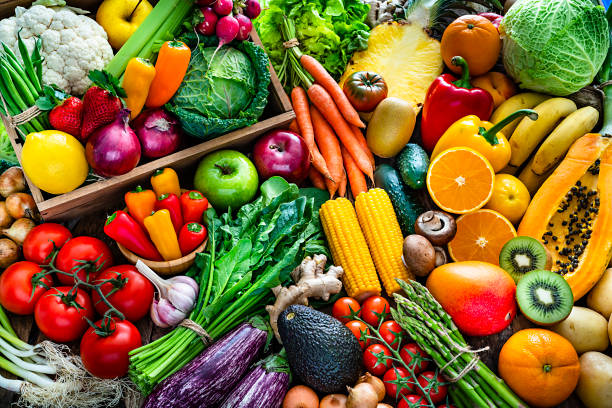
In order to get enough energy and nutrients, we need just under one gram of protein per kilogram of body weight per day. To cover this need, vegetable protein is completely sufficient if you eat a varied diet. All legumes and many types of cabbage and vegetables contain protein. In addition, plant-based foods provide plenty of filling and healthy fiber. Vegetables are therefore more than just a side dish – they are ideal as a main course. Visite presents some meat alternatives.
Beans are fiber suppliers
Beans are legumes and provide a lot of fiber. These fill you up quickly, and the feeling of satiety lasts for a long time. Beans also contain a lot of iron, which is important for transporting oxygen in the body. Potassium is another healthy ingredient. It regulates blood pressure.
Low-calorie eggplants contain a lot of calcium
Eggplants contain a lot of fiber, but few calories – 100 grams have only 25 kilocalories. For comparison: the same amount of pasta made from durum wheat semolina has 150 kilocalories. In addition, aubergine provides plenty of calcium for bones, teeth, and nerves. Vitamins B and C are also contained in the eggplant.
With kohlrabi against food cravings
Kohlrabi has a lot of fiber and mustard oils. They protect against food cravings and make us strong against viruses and bacteria. As in other types of cabbage, there is a lot of vitamin C in the tubers, as well as vitamins A, B1, B2, B3 (niacin), B7 (biotin), and K and folic acid (vitamin B9). Kohlrabi also provides calcium for bone formation, iron for blood formation, and magnesium for muscles and the heart.
Carrots: Lots of beta carotene
Carrots contain more beta-carotene than any other vegetable. The body converts beta-carotene into vitamin A. This is what the retina of the eye needs in order to be able to see light and dark.
Celery relaxes the blood vessels
Celery is a typical winter vegetable. It contains many tannins, which is why celery is good for heartburn, for example. In addition, there are many polyphenols in the sticks. These are secondary plant substances that relax our blood vessels. Celery also contains vitamins A, B, C, and E.
Quinoa: Lots of protein – and gluten-free
Quinoa is currently considered a super grain. It is not a grain at all but can be used in the same way. Quinoa is gluten-free and therefore well suited for people who, due to gluten intolerance, cannot tolerate typical types of grain such as wheat and spelled, or who do not want to eat them. Quinoa also contains more unsaturated fatty acids than rye or wheat, for example, and around 13 grams of protein per 100 grams. The shell of the quinoa seeds contains bitter substances that can be harmful to health in large quantities. The commercially available seeds are usually peeled, but should still be washed before preparation.
Protein source oatmeal
Oat flakes, used for vegetable patties, for example, are an excellent source of protein and cause the blood sugar level to rise only slowly because of the high fiber content. They also provide the body with a lot of zinc.


Facebook Comments