 John Myers
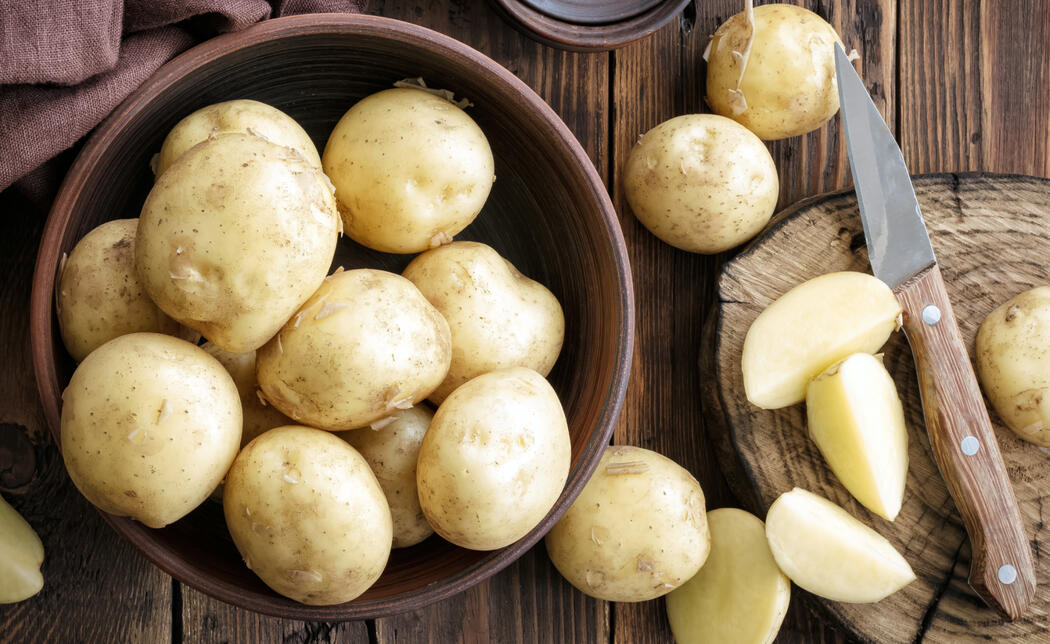
Potatoes are one of the staple foods that contain about 15 percent starch in addition to 80 percent water. They are healthy and popular for nutrition because they are high in fiber and this delays the absorption of carbohydrates into the bloodstream. There are an immense number of preparation methods and recipes, sometimes boiled in water, sometimes roasted or deep-fried. For vegetarians and vegans, in particular, there is a whole range of options for creating a varied menu with potatoes and preparing them – sweet or spicy. But can you eat potatoes raw? We reveal it below and give tips on how to store the tubers correctly.
Why shouldn’t you eat potatoes raw?
Uncooked, the potato is nutritionally worthless for humans because they cannot digest it. Only when you boil the potatoes does the starch swell and absorb some of the water. And only then can the digestive enzymes break down the starch and turn it into digestible carbohydrates. Raw potatoes, on the other hand, tend to taste bitter – so eating raw potatoes does not promise any culinary pleasure. In addition, many people experience a “heavy stomach” when eating raw potatoes. And that’s for a reason.
What’s the deal with solanine?
It is known that potatoes contain the substance solanine. This substance is found in many nightshade plants, including potatoes, tomatoes, and aubergines. In nature, the nightshade plants use the substance to protect themselves from predators.
The above-ground parts of the plant – leaves, flowers, shoots – contain a relatively large amount of the glycoalkaloid. Relatively little of it is found in the potato tuber itself, the largest proportion is fixed in the skin. There is also a lot of solanine in the green parts that are sometimes found on the potatoes, as well as in the so-called potato eyes or potato sprouts. During the cooking process, solanine is flushed out of the tuber into the cooking water. The potato itself is then better tolerated. When a person consumes solanine, it can cause bloating, lightheadedness, and labored breathing, as well as a sore throat, anxiety, and sweating. Higher doses can also cause nausea and vomiting. In 2018, a family who poisoned themselves with potatoes containing solanine received a lot of attention. The limit was then tightened from 200 to 100 milligrams per kilogram of ware potatoes.
The German Society for Nutrition puts the risk of solanine poisoning at a level of two to five milligrams per kilogram of body weight. A higher value can be deadly. In order to reach this value, a person of normal weight would have to eat more than five kilograms of raw potatoes, assuming that the peel contains three to seven milligrams/100 grams.
This is how you keep the solanine content low
- You should not eat sprouting or green potatoes – neither raw nor cooked. Even cutting it out doesn’t help, because the solanine spreads throughout the tuber. If the germ is longer than one centimeter, the potato should be discarded – the Ökotest Foundation advises this.
- Always store potatoes in the dark. Then there are no green spots that contain a lot of solanine.
- Potatoes should not be kept too warm so that they do not start to sprout. The optimal storage temperature is between four and six degrees. It is important to avoid frost.
- Potatoes should be boiled in their skins to avoid losing vitamins and minerals. However, it is better to peel the vegetables before eating. You can only eat the skin of new potatoes.
- It is better to throw away the cooking water, into which the solanine goes during the cooking process since the solanine is very heat-resistant.
Listen now and become a potato professional
Do you want to grow potatoes this year? In this episode of our “Green City People” podcast, Nicole Edler and Folkert Siemens tell you their tips and tricks for growing potatoes and recommend particularly tasty varieties.
That’s what raw potato juice does
Juice made from raw potatoes can be found on the shelves in many health food stores. In folk medicine, it is considered a remedy for an overly acidic stomach, and it is also said to be helpful for external inflammation and swelling. The University of Freiburg has confirmed the effect of freshly squeezed potato juice on stomach disorders, especially problems with heartburn. Nevertheless, you should be careful with such home remedies – children and pregnant women should definitely not be advised to enjoy them. Anyone who uses potato juice for self-treatment should discuss this with their family doctor, especially if the stomach problems do not go away within a reasonable period of time and a medical diagnosis or a treatment plan with medication is necessary.


Facebook Comments