 John Myers
Magnesium deficiency symptoms
Muscle cramps are often the reason for diagnosing magnesium deficiency. But there are many other symptoms that occur with magnesium deficiency. If you experience one or more of these symptoms, you should consider taking additional magnesium, for example in the form of tablets.
- Muscle cramps are one of the most common and well-known symptoms of magnesium deficiency. Calf cramps and uncontrolled twitching eyelids are particularly common. But other muscles can also be affected by the cramps, which in the worst case can lead to shortness of breath.
- Magnesium deficiency can also cause other types of pain, such as headaches or back pain.
- General exhaustion such as tiredness and lack of concentration are also among the consequences.
- In addition, psychological problems can occur. These include anxiety, depression or an increased state of irritation. Loss of appetite, dizziness and sensitivity to light are also common symptoms.
- In women, magnesium deficiency can lead to increased pain and heavy menstrual bleeding during the cycle. Pregnant women are also at risk of premature labour.
causes
Around a quarter of all men and even a third of all women do not consume enough magnesium. The currently recommended amount of magnesium that should be consumed per day is 300 to 400 milligrams. However, this reference value is probably set far too low, as today’s magnesium requirement per person is around 600 to 900 milligrams per day. Not only this too low reference value is a cause of magnesium deficiency. There are a few other reasons:
- Diets or eating disorders lead to a diet-related undersupply of magnesium. Excessive consumption of low-magnesium fast food is also a cause of magnesium deficiency.
- Athletes are often advised to consume enough magnesium. Due to the increased physical strain, the body needs more magnesium in order to supply the muscles with the required amount of the mineral. In addition, minerals such as magnesium are excreted through sweat.
- Stressful conditions, for example at work, also lead to the body excreting more magnesium.
- Increased alcohol consumption means that more magnesium is broken down as the body dehydrates to break down the alcohol. Magnesium is also broken down and excreted.
This is how you can prevent magnesium deficiency
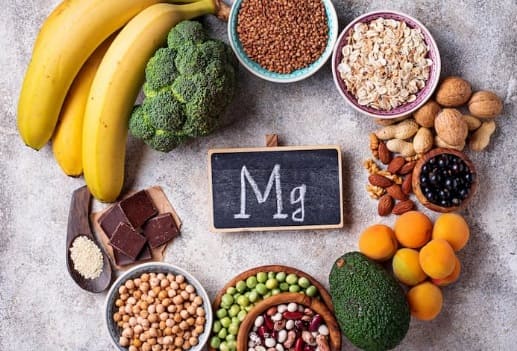
Magnesium deficiency can mainly be counteracted by proper nutrition.
- Foods that are still of completely natural origin and have not been chemically modified, such as unpeeled brown rice, contain the highest magnesium content.
- Foods with a high carbohydrate content, i.e. a high-calorie density, are also considered to be a reliable source of magnesium. These include legumes and nuts in particular. Sunflower seeds, for example, contain 420 milligrams per 100 grams, making them one of the best sources of magnesium.
- Fruits such as bananas are also high in magnesium.
- However, a magnesium-rich diet is often not enough to cover the need. This is because the body cannot process 100% of magnesium from food. People with an increased need for magnesium, such as athletes or pregnant women, should then use magnesium supplements.



Facebook Comments