 John Myers
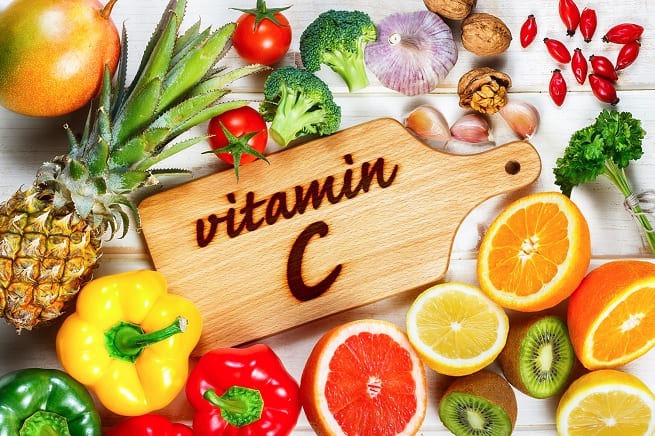
Vitamin C, also known as ascorbic acid, has several important functions in the body. It is involved in numerous metabolic processes and supports the immune system with its antioxidant properties. It also helps the body heal wounds and improves iron absorption. The connective tissue also needs the vitamin.
The body cannot produce or store vitamin C itself. It is therefore important that it is supplied to him daily through food. Adults and adolescents over the age of 15 should consume 100 milligrams of vitamin C daily to meet their needs. That’s roughly the equivalent of two oranges. In children, the daily requirement is slightly lower.
A vitamin C deficiency does not occur with a balanced, healthy diet. However, there are people who have an increased need. Pregnant women should consume 110 milligrams and breastfeeding women even 150 milligrams. Smokers or people recovering from an infection or suffering from stress may also need more. A slight deficiency can become noticeable, for example, through exhaustion or reduced physical performance. Drastic deficiency symptoms in the form of the disease scurvy are almost impossible in this country. It used to be common among seafarers when fresh food rich in vitamins was not available during long periods at sea.
Vitamin C is found in many foods, especially fruits and vegetables. In addition to the well-known citrus fruits such as lemons and oranges, kiwis, berries and many types of cabbage and peppers are also good suppliers of the vitamin. You can cover your daily needs by eating two kiwis or one pepper, for example. Even with 100 grams of steamed broccoli or Brussels sprouts, an adult can almost completely cover their daily requirement.
Heat, light, or air decompose vitamin C. Fruit and vegetables should therefore always be eaten as fresh as possible and not stored for a long time beforehand. Because vitamin C is water soluble, it gets into the cooking water when you cook it. Gentler preparation methods are therefore stewing or steaming. Incidentally, in many cases, frozen fruit or vegetables have a similarly high or even higher content of nutrients than fresh goods, since they were not stored for a long time but were shock-frozen immediately after harvesting.



Facebook Comments