 John Myers
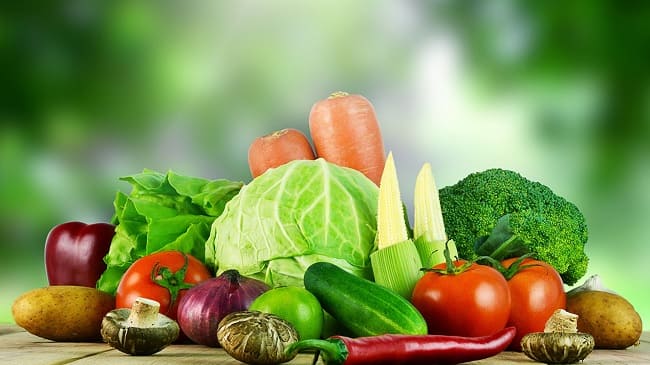
Typical winter vegetables include cabbage and root vegetables. But some types of lettuce are also in season between October and March. Winter vegetables are generally used to describe types of vegetables that are harvested in the cold season or that can be stored in such a way that they can be eaten throughout the winter.
Some winter vegetables are now also grown in greenhouses or under foil to protect the plants from the cold. Some vegetables, such as kale, even benefit from the frost that sets in in winter. Very low temperatures slow down the metabolic processes in the plant. Less energy is consumed in the form of sugar and at the same time sugar is formed in the plant through photosynthesis. This makes kale tastier. Knowing the typical types of winter vegetables is particularly important for consumers who value regional nutrition.
Winter vegetables include these types of vegetables:
- Different types of cabbage. Although cabbage grown in Germany is generally available all year round, the cabbages are primarily harvested in late autumn or winter. Brussels sprouts, kale, Chinese cabbage, white cabbage, savoy cabbage, and red cabbage are considered winter vegetables.
- Tubers and root vegetables can be stored for a long time and are therefore available throughout the winter. Winter vegetables include swedes – delicious in swede recipes such as swede stew or swede soup – beetroot, celeriac, carrots, root parsley, parsnips, and black salsify.
- Certain types of lettuce are also in season in winter. These include, for example, chicory, radicchio, and lamb’s lettuce. The radicchio is usually delivered to Germany from Italy.
As a dessert to dishes with winter vegetables, we recommend our quark pancakes.


Facebook Comments