 John Myers
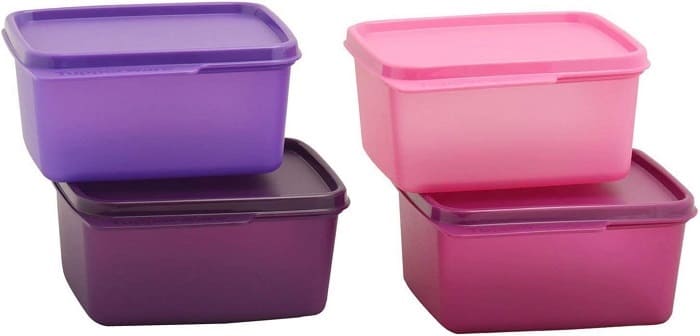
Tupperware sold in the United States and Canada since March of 2010 is safe and BPA free. The containers that are safe for microwave use have the microwave-safe emblem on the bottom. This image features a box with squiggly lines. Tupperware is also generally dishwasher and freezer safe.
How do I know if Tupperware is microwave safe?
To know if a plastic container or plastic wrap is microwave safe, you should look on the packaging material for a “Microwave Safe” label. Plastic products with an imprinted microwave symbol can be used in the microwave. This symbol is mostly used on reusable plastic storage containers.
Can you microwave a plastic Tupperware container?
According to the World Health Organization (WHO), microwaving food is generally safe. However, microwaving in plastic containers is associated with increased leaching — the transfer or leaking of chemicals into food. Note that even if a plastic container is labeled “microwave safe,” that simply means it won’t melt.
Which Tupperware is toxic?
If you look at the bottom of your plastic food storage containers and they have a #2, #4, or #5, those are generally recognized as safe for food and drink. If any of your containers have a #3, #6, or #7, those should be disposed of because they are considered high-risk plastics.
Is older Tupperware microwave safe?
If your Tupperware container is old, you should use it for other purposes and no longer store or reheat food. Plastic containers that are cracked or warped are not safe since they might trap bacteria, and scratched surfaces can also leak harmful chemicals when microwaved.
How long can you microwave Tupperware?
Scrubbing harshly can cause the coating to chip away and release harmful chemicals. Open the vent before microwaving the Tupperware. Always reheat food for short intervals of time, 3 minutes or less. Avoid heating foods that are high in fat or sugars.
Can I heat food in Tupperware?
Tupperware containers are designed for reheating and defrosting, not necessarily for cooking food. Stick with medium heat to reduce the risk of compromising the container. Furthermore, the manufacturer recommends that a Tupperware container be reheated for no longer than 3 minutes at a time.
Is it safe to eat from microwaved plastic?
Basically, heat can cause the BPA and Phthalates in plastics to leach into your food. That means – yeah, sorry – you should avoid microwaving food and beverages in plastic. Instead, transfer them into microwave-safe glass or ceramic containers.
What kind of plastic is microwave safe?
Type 5 polypropylene is most often labeled “microwave safe.” This plastic is sturdy and heat resilient, and it stays clear even when exposed to tomato sauce. After being microwaved, the plastic feels cool.
Should you throw away old Tupperware?
There’s no standard rule of thumb about when it’s time to throw out your plastic containers. How long your containers last depends on how well you care for them, and the quality of plastic they’re made of. You’ll know it’s time to toss your containers if they become warped or cracked.
Is 1970s Tupperware safe?
Health warning: Your vintage Tupperware may contain harmful lead and arsenic. For anyone who grew up in the 1950s, ’60s or even ’70s, brightly-colored Tupperware was likely a fixture in your kitchen.
Is Tupperware carcinogenic?
Containers made out of polyethylene terephthalate (PET or PETE, or plastic #1)—such as most soda bottles—are OK to use once, but can leach carcinogenic, hormone-disrupting phthalates when used over and over again.
Which vintage Tupperware is toxic?
Testing of the “Daffodil Yellow” vintage (circa 1972) Tupperware. In follow-up testing of the other product colors – she found some tested positive for mercury and cadmium– as well as lead and arsenic – all metals that are poisonous to humans.
When did Tupperware become BPA free?
As of March 2010, items sold by Tupperware US & CA are BPA free. Join us in our mission to Do Good for people and the planet through thoughtful and conscientious product innovation and design practices that help to better lives and reduce waste.
Are all Tupperware brand microwavable?
Tupperware products are made with plastics, however all Tupperware products are not microwave safe. Tupperware has thoroughly tested their products to determine which ones are microwave safe. In fact, they state that it is safe to microwave food in Tupperware products that are intended for use in the microwave.
What temperature does Tupperware melt?
As Tupperware is made from polyethylene (HDPE), The melting point of Tupperware is 137° C (278° F). At excessively high temperatures, the melted plastic starts to burn.
How often should you replace your Tupperware?
After this initial inspection, we recommend replacing plastic containers between 5 and 10 years. Wear and tear pose potential health risks if your product is damaged. Lastly, managing plastic food containers keeps your cupboard clutter-free and usably organized.
What is the white stuff in my Tupperware?
A common reason that a fine white film begins to take over the surface of the plastic ware is hard water. If your water that flows from the tap has an excessive amount of minerals, then it can etch the relatively soft sides of plastic bowls, plates and cups.
Does Tupperware have lead and arsenic?
Independent tests have found traces of lead and arsenic in Tupperware’s yellow vintage measuring cups.



Facebook Comments