 John Myers
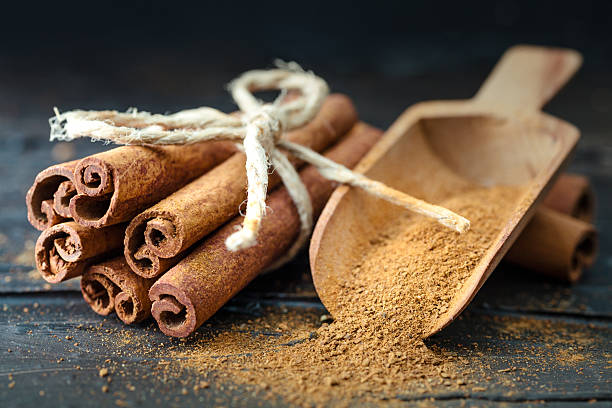
The effects of cinnamon on your health can vary greatly. The type of cinnamon plays a decisive role in the effect of the aromatic spice.
Cinnamon: effect of the spice
Cinnamon is one of the oldest known spices. Cinnamon has been a part of ancient Chinese medicine for thousands of years. The spice made its way to Europe in the 14th century and the Greeks and Romans, who had healing knowledge, not only used cinnamon as a spice in the kitchen but also to alleviate various diseases.
- At that time there was a type of cinnamon that was mainly grown in Sri Lanka, the Ceylon cinnamon. Cassia cinnamon was added as the spice grew in popularity and demand continued to grow.
- Cassia cinnamon comes from the cinnamon cassia, which is known as the Chinese cinnamon tree. Cinnamon cassia is still mainly grown in China. Cassia cinnamon, like Ceylon cinnamon, is obtained from the bark of the tree
- The Ceylon cinnamon tree and the cinnamon cassia belong to the laurel family. However, the Ceylon cinnamon tree and the cinnamon cassia are completely different species.
- In concrete terms, this means that Cassia cinnamon is not real cinnamon, but a spice of its own. This is exactly what results in the decisive differences that are decisive for health.
Significant differences between the types of cinnamon
Both Cassia cinnamon and Ceylon cinnamon are obtained from the bark of the respective plant species. Both types of cinnamon contain the secondary plant substance coumarin. The difference between the species is the concentration of this substance.
- While only marginal amounts of coumarin occur in Ceylon cinnamon, the amounts in cassia cinnamon are usually very high.
- There is an average of three grams of coumarin in one kilogram of cassia cinnamon. However, it is by no means unusual for the proportion of coumarin to be up to around 9 grams per kilogram.
- In Ceylon cinnamon, on the other hand, there is hardly any and, depending on the quality, a maximum of 0.8 grams of coumarin per kilogram.
- Depending on how much coumarin you consume, consumption can lead to severe headaches and discomfort.
- If you regularly supply your body with large amounts of coumarin, you risk kidney problems, liver inflammation, and, in the worst case, severe liver damage. In addition, coumarin is suspected of being carcinogenic.
- For this reason, both the Federal Institute for Risk Assessment and the consumer advice centers warn against consuming too much cassia cinnamon.
- Note: You can often tell which cinnamon was used in the product by looking at the list of ingredients. If there is only cinnamon, it is usually cassia cinnamon. Food manufacturers who use the slightly more expensive Ceylon cinnamon indicate this on the list of ingredients.
Ceylon cinnamon – that’s how healthy it is
Ceylon cinnamon contains essential minerals such as iron, magnesium and calcium, potassium, and manganese. You will also find numerous essential oils, antioxidants, and phytochemicals.
- Among other things, Ceylon cinnamon is rich in eugenol, which has anti-inflammatory and analgesic effects.
- In addition, Ceylon cinnamon is said to regulate blood fat levels and lower blood sugar levels. However, if you have diabetes, you should consult your doctor before consuming cinnamon.
- Ceylon cinnamon has an antibiotic effect and can be helpful in fighting bacterial infections. It also strengthens the immune system and is said to promote healthy digestion.
- The exact effect of Ceylon cinnamon on diseases is still being studied.
- If you have pre-existing conditions and are taking medication, be sure to speak to your doctor. Cinnamon supplements, in particular, can cause side effects when combined with other medications.
- If you have blood clotting disorders and are taking blood thinners such as aspirin, it is generally not recommended to eat cinnamon.


Facebook Comments