 John Myers
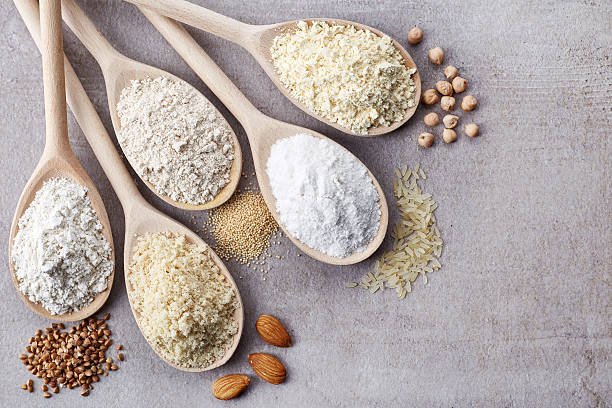
Gluten-free flour is plentiful. In this article, we have summarized which alternatives to wheat flour you can use.
Alternatives to wheat flour – gluten-free flours
Gluten intolerance affects more and more people. If you suffer from celiac disease or want to eat less gluten, simply use gluten-free flour. What gluten actually is, we explain in detail in another article.
- Millet Flour: Millet flour is a gluten-free alternative that you can bake with. The flour has a mild and slightly sweet taste. Good uses for the flour are cakes, but also a light millet bread.
- Quinoa Flour: Quinoa flour is made from quinoa seeds. It is high in protein and has a strong flavor. As with buckwheat flour, there is a nutty taste. The flour is ideal for pizza or delicate pastries.
- Soy flour: Soy flour also has a nut flavor. Bread and cakes work well with flour. The flour is also a good egg substitute, which should be of particular interest to vegans. You can also find other vegan alternatives for eggs here.
- Buckwheat: In addition to being gluten-free, buckwheat is a flavorful flour that has a slightly nutty flavor. It is particularly suitable for crepes, waffles, or bread.
Starchy alternatives for cooking and baking
These flours are also good for baking and cooking. They have more starch than the previously mentioned types of flour, but they are also gluten-free and therefore good alternatives to wheat flour.
- Potato flour: Potato flour is a potato product, as the name already indicates. Potato flour dough is particularly smooth and the baked goods are very moist. The flour is also ideal as a binding agent for your soups.
- Rice flour: Rice flour tastes very mild. Since it has little taste of its own, you can use it to bake both savory and sweet spices. A typical pastry is rice cakes. You can also thicken your soups and sauces with this flour.
- Cornmeal: Cornmeal, also known as cornstarch, also has a very mild taste. So you can use it in many different ways.



Facebook Comments