 John Myers
Introduction: The Beauty of Brazilian Vegetarian Cuisine
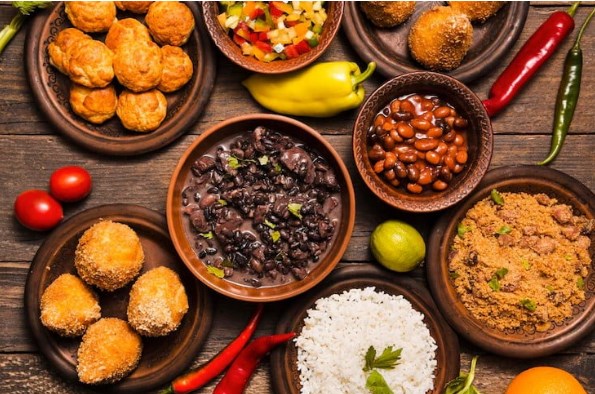
Brazilian cuisine is often associated with meat dishes, such as churrasco and feijoada. However, the country’s rich cultural diversity has also led to the development of a vibrant vegetarian cuisine. Brazilian vegetarian dishes are characterized by the use of fresh ingredients, a variety of spices, and a fusion of regional and international flavors.
Exploring Brazilian vegetarian cuisine is a delightful journey that allows you to discover the different tastes, textures, and aromas of Brazil. Whether you are a vegetarian or not, you will find that Brazilian vegetarian cuisine is a unique and flavorful experience that will surprise and delight your taste buds.
A Brief History: How Vegetarianism Became Popular in Brazil
Vegetarianism has a long history in Brazil, dating back to the early 20th century when the first vegetarian societies were established. However, it was not until the 1970s that vegetarianism became more popular, mainly due to the influence of the counterculture movement and a growing concern for health and environmental issues.
Today, Brazil has a thriving vegetarian movement, with many people choosing to adopt a vegetarian or vegan lifestyle for health, ethical, or environmental reasons. This has led to the development of a rich and diverse vegetarian cuisine that reflects the country’s cultural diversity and culinary traditions.
Traditional Dishes: Exploring the Flavors of Brazil’s Meatless Cuisine
Brazilian vegetarian cuisine is rich in flavor and variety, with traditional dishes such as moqueca de palmito, a stew made with hearts of palm, tomatoes, and coconut milk, and acarajé, a deep-fried bean fritter filled with spicy sauce and toppings such as shrimp, vegetables, or cheese. Other popular dishes include feijão tropeiro, a bean and vegetable dish, and vatapá, a creamy and spicy dish made with bread, nuts, and coconut milk.
One of the most iconic dishes in Brazilian vegetarian cuisine is the pão de queijo, a small cheese bread that is crispy on the outside and soft on the inside. While the traditional version contains cheese, there are many vegetarian and vegan variations that use alternative ingredients such as cassava flour, tapioca starch, and plant-based cheeses.
Regional Variations: How the Vegetarian Cuisine Varies Across Brazil
Brazil is a vast country with a diverse landscape, climate, and culture, and as a result, the vegetarian cuisine varies greatly from region to region. In the northeast, for example, you will find a cuisine that is heavily influenced by African and indigenous cultures, with dishes such as acarajé and vatapá. In the south, on the other hand, the cuisine is more influenced by European immigrants, with dishes such as risottos and fondues.
In the Amazon region, the cuisine is characterized by the use of exotic ingredients such as açaí, tucupi, and jambu, which are used in dishes such as tacacá, a soup made with açaí and tucupi, and pato no tucupi, a duck stew made with tucupi and jambu leaves. In the central-western region, the cuisine is influenced by indigenous and cowboy traditions, with dishes such as arroz com pequi, a rice dish made with the fruit of the pequi tree.
Unique Ingredients: Discovering the Exotic Flavors of Brazilian Cuisine
Brazilian vegetarian cuisine is full of unique and exotic ingredients that give it its distinctive flavor and character. Some of these ingredients include hearts of palm, cassava, açaí, jambu, tucupi, and pequi.
Hearts of palm, for example, are a popular ingredient in Brazilian vegetarian cuisine, particularly in dishes such as moqueca de palmito and salpicão. Cassava is another staple ingredient in Brazilian cuisine and is used in dishes such as tapioca, farofa, and escondidinho. Açaí is a superfood that is used in smoothies, bowls, and desserts, while jambu is a herb that has a unique numbing sensation and is used in dishes such as tacacá.
Street Food: Finding Vegetarian Delights on the Streets of Brazil
Street food is an essential part of Brazilian cuisine, and it’s no different for vegetarian options. You can find a variety of delicious vegetarian street food options in Brazil, including pastel, a deep-fried pastry filled with cheese, vegetables, or meat, and coxinha, a teardrop-shaped snack filled with chicken or vegetables. Other popular vegetarian street food options include tapioca crepes, açai bowls, and pão de queijo.
If you’re looking for a more substantial meal, you can always visit a food truck or food court, where you can find a variety of vegetarian options such as burgers, sandwiches, and bowls. Whatever your preference, you’re sure to find a vegetarian delight on the streets of Brazil.
Fusion Cuisine: Brazilian Vegetarianism Meets International Flavors
Brazilian vegetarian cuisine is not limited to traditional dishes and ingredients; it also incorporates international flavors and techniques to create fusion dishes that are unique and delicious. You can find vegetarian versions of international dishes such as pizzas, burgers, and sushi, as well as fusion dishes such as feijoada sushi, a sushi roll filled with black beans and vegetables.
Many restaurants also offer vegetarian tasting menus that showcase a variety of Brazilian and international flavors in one meal, allowing you to explore the diversity of Brazilian vegetarian cuisine.
Health Benefits: Why Brazilian Vegetarian Cuisine is Good for You
Vegetarian cuisine is becoming increasingly popular in Brazil, not only because of ethical or environmental reasons but also because of the health benefits it provides. A vegetarian diet is generally lower in saturated fats, which are linked to heart disease and other health problems.
Brazilian vegetarian cuisine is also rich in fiber, vitamins, and minerals, which are essential for maintaining good health. Vegetarian dishes such as moqueca de palmito, acarajé, and feijão tropeiro are packed with nutrients and flavor, making them a healthy and delicious choice.
Vegetarian Restaurants: Finding the Best Places to Eat in Brazil
Brazil is home to many excellent vegetarian restaurants, from casual cafes to fine dining establishments. In São Paulo, for example, you can find Veggie Burger, a popular vegan burger joint, and Banana Verde, a vegetarian restaurant that specializes in organic and sustainable ingredients.
In Rio de Janeiro, you can visit Teva, a vegetarian and vegan restaurant that offers a variety of innovative and delicious dishes, or Veggies na Praia, a cozy beachside cafe that serves vegetarian and vegan options. Wherever you go in Brazil, you’re sure to find a vegetarian restaurant that will satisfy your taste buds.
Conclusion: A Journey Through the Diverse and Delicious World of Brazilian Vegetarian Cuisine
Brazilian vegetarian cuisine is a delight for anyone who loves good food and exotic flavors. From traditional dishes to fusion cuisine, street food to fine dining, Brazilian vegetarian cuisine offers a diverse and delicious range of options that reflect the country’s cultural diversity and culinary traditions.
Whether you’re a vegetarian, vegan, or simply a food lover, exploring Brazilian vegetarian cuisine is a journey that will take you on a gastronomic adventure across the country, from the Amazon to the beaches of Rio de Janeiro. So why not embark on this delightful exploration and discover the beauty and flavor of Brazilian vegetarian cuisine for yourself?



Facebook Comments