 John Myers
Introduction to Indonesian Cuisine
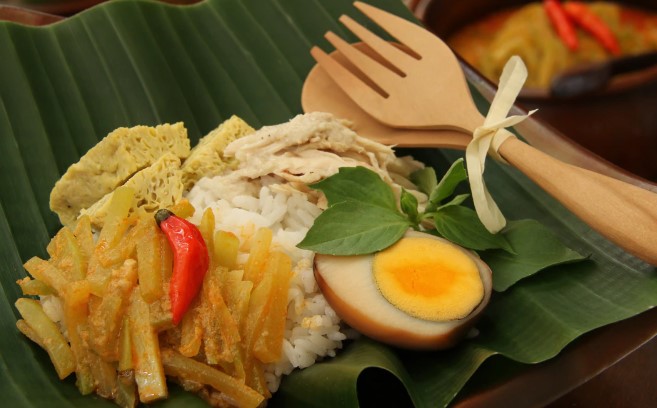
Indonesia, with its diverse landscape and cultural influences, has an incredibly rich and unique culinary scene. Indonesian cuisine is a blend of local and foreign ingredients, spices, and herbs, resulting in a wide array of dishes with delicious flavors and textures. The culinary traditions of Indonesia are a reflection of the country’s history, geography, and cultural heritage.
A Culinary Journey Through Indonesia
Indonesian cuisine is characterized by its bold flavors, vibrant colors, and unique aromas. From Sumatra to Papua, each region has its own distinct cuisine, featuring a range of ingredients such as coconut milk, turmeric, chilies, and lemongrass. Some of the most popular dishes from Indonesia include nasi goreng (fried rice), rendang (slow-cooked beef in coconut milk), ayam goreng (fried chicken), and satay (skewered meat).
Spices and Herbs in Indonesian Cuisine
Spices and herbs play a crucial role in Indonesian cuisine, adding depth, complexity, and aroma to every dish. Some of the most commonly used spices and herbs in Indonesian cuisine include turmeric, coriander, ginger, galangal, lemongrass, and kaffir lime leaves. These ingredients are used to create flavorful spice pastes, which are then added to dishes like curries, soups, and stews.
Regional Variations of Indonesian Dishes
Indonesia is a large and diverse country, and the different regions each have their own unique cuisine. For example, the cuisine of Sumatra is heavily influenced by Indian and Middle Eastern flavors, while the cuisine of Bali features a lot of seafood and fresh herbs. Some regions also have their own unique dishes, like soto betawi (Jakarta-style beef soup) and gado-gado (a type of salad with peanut sauce) from the capital city.
The Staple Foods of Indonesian Cuisine
Rice is the staple food of Indonesian cuisine, and is often served with a variety of side dishes like curries, stir-fries, and soups. Other staple foods include noodles, cassava, and sweet potatoes. Coconut milk is also an essential ingredient in many Indonesian dishes, adding rich flavor and creaminess to curries and stews.
Exploring the Street Food Scene in Indonesia
Indonesia has a vibrant street food scene, with vendors selling a variety of delicious snacks and meals. Some popular street foods include nasi goreng (fried rice), mie goreng (fried noodles), and bakso (meatball soup). Street food is a great way to experience the local cuisine and culture of Indonesia, and is often affordable and convenient.
Indonesian Desserts: Sweet Endings
Indonesian desserts are known for their sweet, tropical flavors and use of coconut, palm sugar, and pandan leaves. Some popular desserts include bubur ketan hitam (sticky black rice pudding), es cendol (a sweet drink with coconut milk and green jelly noodles), and kue lapis (a layered cake made with rice flour and coconut milk).
The Influence of Dutch and Chinese Cuisine
Indonesian cuisine has been influenced by a variety of cultures, including the Dutch and Chinese. Dutch colonialism introduced new ingredients like potatoes, carrots, and cabbage, while Chinese immigrants brought dishes like noodles and stir-fries. These ingredients and dishes have been incorporated into Indonesian cuisine, creating new and unique flavors.
Cooking Techniques in Indonesian Cuisine
Indonesian cuisine features a variety of cooking techniques, including grilling, frying, simmering, and steaming. Some dishes are cooked in banana leaves or bamboo tubes, while others are slow-cooked for hours to create tender and flavorful meat. The use of spice pastes and marinades is also common in Indonesian cuisine, adding depth and complexity to dishes.
Pairing Indonesian Dishes with Traditional Beverages
Indonesian cuisine is often paired with traditional beverages like tea, coffee, and fresh juices. Some popular drinks include teh tarik (pulled tea), kopi luwak (coffee made from beans that have been eaten and excreted by a civet), and es kelapa muda (young coconut juice served with ice). These beverages complement the bold and spicy flavors of Indonesian cuisine, and provide a refreshing contrast to the heat and richness of many dishes.


Facebook Comments