 John Myers
Introduction: The Richness of Indonesian Cuisine
Indonesian cuisine is a reflection of the country’s diverse culture and history. With over 17,000 islands, Indonesia has a wealth of culinary traditions, each with its own unique flavors and ingredients. The cuisine is a medley of fresh herbs, spices, and tropical fruits that come together to create a tantalizing blend of sweet, spicy, and sour flavors.
Indonesian cuisine is also heavily influenced by the country’s history of trade with China, India, and the Middle East. This has led to the use of exotic ingredients such as tamarind, lemongrass, and galangal. Indonesian cuisine is a true reflection of the vibrancy and diversity of the country, and exploring its rich flavors is an adventure in itself.
Rice-based Dishes: Nasi Goreng, Nasi Padang, Nasi Kuning
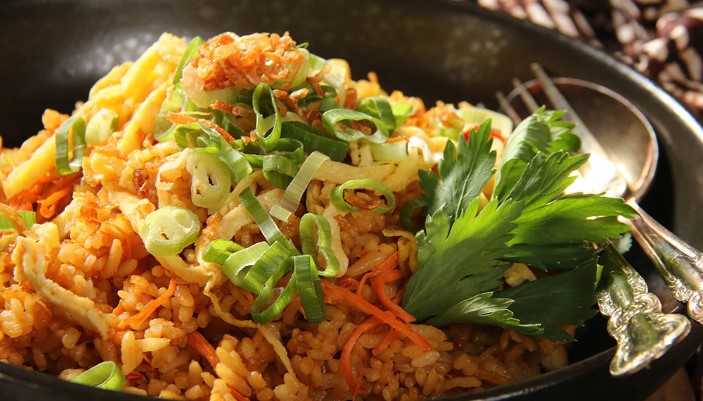
Rice is the staple food of Indonesia, and it is used in a variety of dishes. Nasi Goreng is the most popular rice-based dish in Indonesia. It is a fried rice dish that is cooked with a variety of spices, vegetables, and meat. Nasi Padang is another popular rice dish, originating from the Padang region of Sumatra. It is served with a variety of curries and is known for its spicy flavor. Nasi Kuning is a fragrant yellow rice dish that is traditionally served during festivals and special occasions.
Spices and Seasonings: Kecap Manis, Sambal, Rempah
Indonesian cuisine is known for its use of spices and seasonings. Kecap Manis is a sweet, thick soy sauce that is used in many dishes. Sambal is a spicy chili paste that is used as a condiment, and Rempah is a spice blend that is used to flavor meat and seafood dishes. The blend of spices and seasonings used in Indonesian cuisine is what gives it its unique and complex flavor profile.
Meat and Seafood Dishes: Rendang, Satay, Soto Ayam
Indonesian cuisine is known for its flavorful meat and seafood dishes. Rendang is a slow-cooked beef dish that is cooked with coconut milk and a blend of spices. Satay is a popular dish that is made with grilled skewered meat that is marinated in a blend of spices. Soto Ayam is a popular chicken soup that is flavored with turmeric and lemongrass.
Vegetable Dishes: Gado-gado, Sayur Asem, Tempeh Goreng
Indonesian cuisine also has a variety of vegetable dishes that are flavorful and nutritious. Gado-gado is a salad that is made with a variety of vegetables, tofu, and a peanut sauce. Sayur Asem is a sour vegetable soup that is made with tamarind and tomato. Tempeh Goreng is a fried tempeh dish that is crispy on the outside and soft on the inside.
Snacks and Street Food: Martabak, Bakso, Mie Ayam
Indonesia is also known for its flavorful snacks and street food. Martabak is a stuffed pancake that can be filled with a variety of sweet or savory fillings. Bakso is a meatball soup that is popular as a street food. Mie Ayam is a noodle dish that is flavored with a variety of spices and served with chicken.
Traditional Desserts: Kue Lapis, Es Cendol, Klepon
Indonesian cuisine also has a variety of traditional desserts that are sweet and flavorful. Kue Lapis is a layered cake that is made with coconut and pandan. Es Cendol is a sweet dessert that is made with coconut milk, palm sugar, and green jelly noodles. Klepon is a sweet glutinous rice cake that is filled with palm sugar and coated with grated coconut.
Beverages: Kopi Luwak, Teh Botol, Es Kelapa Muda
Indonesia has a variety of unique and flavorful beverages. Kopi Luwak is a coffee that is made from beans that have been digested by a civet cat. Teh Botol is a bottled tea that is sweetened with sugar and flavored with jasmine. Es Kelapa Muda is a refreshing coconut water drink that is served with ice.
Regional Specialties: Padang, Bali, Java, Sulawesi
Each region of Indonesia has its own unique culinary specialties. Padang cuisine is known for its spicy curries and cuisine from Bali is characterized by its use of fresh seafood and aromatic spices. Javanese cuisine is influenced by the use of peanuts and sweet soy sauce, while Sulawesi cuisine is known for its use of exotic ingredients such as eel and palm sugar.
Conclusion: A Culinary Journey Through Indonesia
Indonesian cuisine is a fascinating blend of flavors and ingredients that reflect the country’s diverse culture and history. From rice-based dishes to flavorful snacks and desserts, Indonesian cuisine has something to offer for everyone. Exploring the rich flavors of Indonesian cuisine is an adventure in itself, and it is a journey that is not to be missed.


Facebook Comments