 John Myers
Introduction to Indonesian Cuisine
Indonesia is a country that boasts a rich and diverse culinary culture. Indonesian cuisine is a fusion of flavors from different parts of the world including Chinese, Indian, and European influences. Indonesian food is characterized by its bold flavors, use of herbs and spices, and the wide variety of ingredients used in its dishes.
Indonesian cuisine can be divided into different regions, each with its own unique culinary traditions, ingredients, and flavors. The cuisine of Java, for example, is known for its use of sweet soy sauce, while the cuisine of Sumatra is known for its spiciness. In this article, we will explore one of the most popular dishes in Indonesian cuisine, nasi, and its rich flavors.
Origins of Nasi in Indonesian Culture
Nasi, which means rice in Indonesian, is the staple food of the country. Rice is so important in Indonesian culture that there are many different words to describe it, depending on its stage of growth, size, and type. Nasi is typically eaten with a variety of side dishes, such as meat, fish, vegetables, and condiments.
The origins of nasi can be traced back to the pre-colonial era when rice cultivation was already well-established in Indonesia. It was during this time that the people of Indonesia started to develop a variety of dishes using rice as their main ingredient. Over time, nasi has become an integral part of Indonesian cuisine, with each region creating its own unique versions of the dish.
The Importance of Rice in Nasi
Rice is the core ingredient of nasi, and it plays a vital role in the dish’s flavor, texture, and aroma. Indonesians consume rice on a daily basis, and it is often the centerpiece of their meals. The type of rice used in nasi can vary from region to region, with some areas preferring a long-grain rice, while others use short-grain rice.
The way rice is cooked is also essential in nasi. In Indonesian cuisine, rice is typically cooked with a ratio of one cup of rice to one and a half cups of water. The rice is then steamed until it is fluffy and soft. Indonesians take great pride in their rice cultivation and often use traditional methods to grow and harvest their rice, resulting in a high-quality grain that adds to the overall flavor of nasi.
Regional Varieties of Nasi
Nasi can be found in different variations across the different regions of Indonesia. In Java, for example, there is nasi gudeg, a sweet and savory dish made from young jackfruit cooked with coconut milk, palm sugar, and spices. In Sumatra, there is nasi Padang, a spicy dish made with beef rendang, a slow-cooked beef dish in coconut milk and spices.
Other variations of nasi include nasi liwet from West Java, nasi ulam from East Java, and nasi kuning from Bali. Each of these dishes has its own unique flavors and textures, often influenced by the ingredients and spices available in the region.
Spices and Ingredients in Nasi
Indonesian cuisine is known for its use of various spices and herbs, and nasi is no exception. Common spices used in nasi include turmeric, coriander, cumin, cardamom, and bay leaves. These spices are often used in combination with coconut milk, lemongrass, and kaffir lime leaves to create a distinct aroma and flavor.
The ingredients used in nasi can vary depending on the region and the dish. Meat, fish, and vegetables are often used as side dishes, and they are typically cooked with a variety of spices and herbs. Some of the most popular meats used in nasi include chicken, beef, and goat, while seafood like shrimp and squid are also commonly used.
Nasi Goreng: The Famous Rice Dish
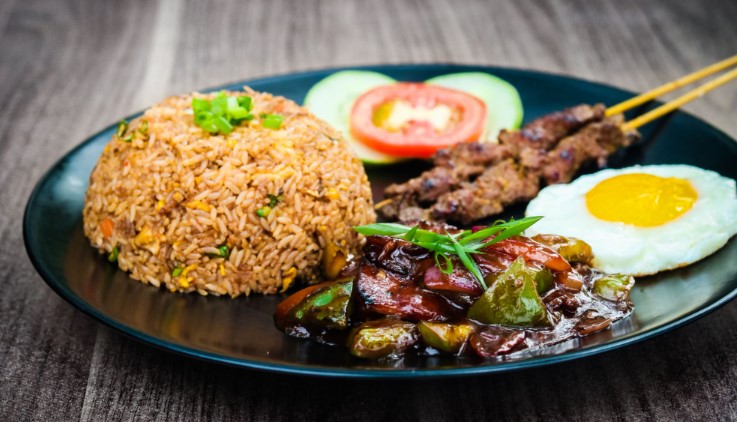
One of the most famous nasi dishes is nasi goreng. Nasi goreng is a fried rice dish that is made with leftover rice, meat or vegetables, and a range of spices and ingredients. The dish is often flavored with sweet soy sauce, shrimp paste, and chili paste, and it is served with a fried egg on top.
Nasi goreng is a popular dish throughout Indonesia, and it is often sold by street vendors and served in restaurants. The dish is also popular in other parts of Southeast Asia, including Malaysia and Singapore.
Sate: The Perfect Nasi Companion
Sate, or satay, is a popular Indonesian street food that is often served with nasi. Sate is a skewered meat dish that is grilled over an open flame and served with a spicy peanut sauce. The meat used in sate can vary from region to region, with chicken, beef, and goat being the most common.
Sate is often enjoyed as a snack or as a main dish, and it is a favorite among Indonesians and visitors alike. The combination of sate and nasi makes for a delicious and filling meal.
Vegetarian and Non-Vegetarian Options
Indonesian cuisine offers a wide range of vegetarian and non-vegetarian options for nasi dishes. Vegetarian options include nasi goreng with vegetables, nasi ulam, and nasi kuning with tempeh and tofu. Non-vegetarian options include nasi gudeg with chicken, nasi Padang with beef, and nasi liwet with seafood.
Indonesian cuisine is also known for its extensive use of spices and herbs, making it a great option for vegetarians who want to add more flavor to their dishes. Additionally, many Indonesian dishes can be modified to suit different dietary restrictions and preferences.
Drinks and Desserts to Accompany Nasi
Indonesian cuisine offers a range of drinks and desserts that can be enjoyed with nasi. Some popular drinks include iced tea, sweetened coconut milk, and traditional herbal drinks like jamu. Desserts include sweet cakes and pastries like klepon, a glutinous rice cake filled with palm sugar, and es cendol, a sweet dessert made from coconut milk, pandan-flavored jelly noodles, and palm sugar syrup.
Conclusion: Appreciating Nasi as Indonesian Cuisine
Nasi is a staple dish in Indonesian cuisine, and it offers a wide range of flavors and textures that reflect the country’s diverse culinary culture. From nasi goreng to sate, each dish has its own unique flavors and ingredients that are influenced by the different regions of Indonesia. Whether you are a vegetarian or non-vegetarian, nasi and its accompanying dishes are a must-try for any food lover looking to explore the rich flavors of Indonesian cuisine.


Facebook Comments