 John Myers
Introduction: Tanzania’s Rich Food Culture
Tanzania is a country with a rich food culture that is influenced by various factors such as geography, history, and cultural diversity. The food in Tanzania is known for its unique taste, spices, and aromas. Tanzanian cuisine caters to different tastes and preferences, ranging from mild to spicy. Tanzanian foods mainly consist of starchy vegetables, maize, rice, beans, and meat. The diversity of food in Tanzania is attributed to the country’s cultural heritage, which varies from one region to another.
Staple Foods: Ugali, Wali, and Ndizi Na Nyama
Tanzanian food is mainly based on starch, and the most common staple foods are ugali, wali, and ndizi na nyama. Ugali is a type of porridge made from maize flour that is eaten with different types of stews and vegetables. Wali is a Swahili word that refers to rice, which is usually cooked with different types of spices and served with vegetables or meat. Ndizi na nyama is a dish made from plantains and meat, mainly goat or beef. The plantains are sliced and then cooked with the meat, giving the dish a unique taste and flavor.
Swahili Cuisine: The Influence of Coastal Culture
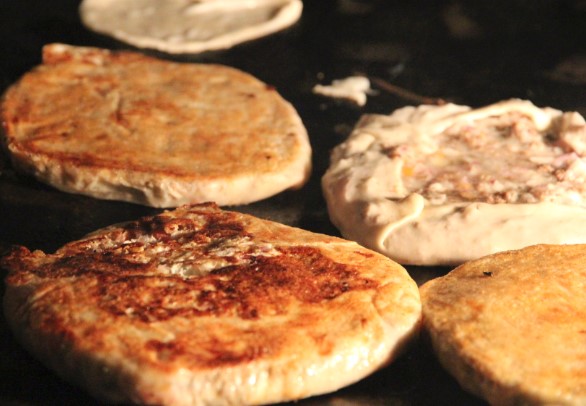
The Swahili culture has had a significant impact on Tanzanian cuisine, especially in coastal regions. Swahili cuisine is a fusion of African, Arab, and Indian cuisines. Some of the popular Swahili dishes in Tanzania include samosas, biryani, pilau, and chapati. Samosas are small triangular-shaped pastries filled with meat, potatoes, or vegetables. Biryani is a rice-based dish that is cooked with different types of spices and served with meat or vegetables. Pilau is another rice-based dish that is cooked with spices such as cumin, cardamom, and cloves. Chapati is a type of flatbread that is served with different types of curries.
Street Food: The Rise of the Food Cart
Street food has become a popular trend in Tanzania, and food carts can be found in almost every major city. The most popular street food in Tanzania is mishkaki, which is grilled meat served on skewers. Other popular street foods include chips mayai, which is a dish made from french fries and eggs, and samosas. The rise of the food cart culture in Tanzania has made it easier for people to enjoy different types of foods at affordable prices.
Ceremonial Foods: Kuku Wa Kupaka and Mtori
Ceremonial foods are usually served during special occasions such as weddings, birthdays, and religious events. Two of the most popular ceremonial foods in Tanzania are kuku wa kupaka and mtori. Kuku wa kupaka is a dish made from chicken that is marinated with coconut milk and spices such as turmeric, coriander, and cumin. The chicken is then grilled and served with rice. Mtori is a soup made from beef and bananas that are cooked together with different types of spices and served with ugali.
Conclusion: Tanzania’s Diverse and Delicious Food Traditions
In conclusion, Tanzania has a diverse and delicious food culture that is influenced by various factors such as geography, history, and cultural diversity. Tanzanian cuisine caters to different tastes and preferences, ranging from mild to spicy. Some of the popular foods in Tanzania include ugali, wali, and ndizi na nyama. The Swahili culture has also had a significant impact on Tanzanian cuisine, especially in coastal regions. The rise of the food cart culture has made it easier for people to enjoy different types of foods at affordable prices. Tanzanian food is a must-try for anyone who wants to experience the country’s rich culture and heritage.



Facebook Comments