 John Myers
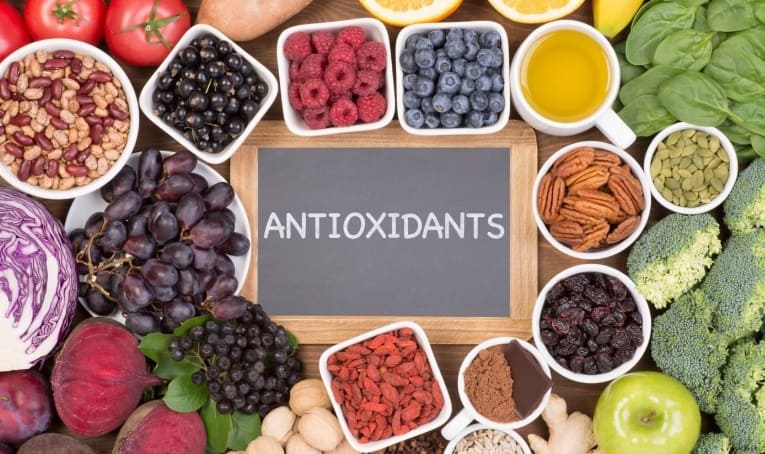
Natural antioxidants have an effect against free radicals
When we talk about antioxidants, we usually mean substances that are found in our food but can also be supplied through dietary supplements. Natural antioxidants have the special ability to render so-called free radicals in our bodies harmless. This is important to protect the body from serious diseases.
- Free radicals occur naturally in every living being, including you. Just breathing, and muscle work, but also processes in the immune system brings a plus in free radicals.
- A certain amount of free radicals in the body has its advantages. They attack pathogens and trigger processes that prevent cancer.
- However, it is critical when free radicals flood individual tissue areas or the entire body in excess.
- As their name suggests, radicals are aggressive. Chemically, they are missing an electron to be complete.
- That is why they attack the membranes of body cells or, for example, the genetic material, the DNA, and get their missing negatively charged particle here. In doing so, they damage these body-building blocks.
- This so-called “oxidative stress” can lead to serious diseases. These include cardiovascular diseases such as atherosclerosis, diabetes, rheumatism, diseases of the central nervous system (Parkinson’s, Alzheimer’s), allergies, skin damage, and cancer.
This is how antioxidants work
There is a whole range of natural substances that can develop an antioxidant effect in the body. The fascinating thing about it is that everyone is a real team worker and forms a kind of network. It is therefore important not to rely solely on individual antioxidants.
- There are antioxidants that either neutralize the free radicals directly by donating an electron, which then attaches itself to the radical. This renders the “attackers” harmless.
- Or the anti-oxidative substances help the body’s own enzyme systems, which help eliminate free radicals.
- For example, you help make the important enzyme with the complicated name superoxide dismutase (SOD) functional
- Trace elements such as selenium and zinc work as part of the oxidatively effective system and are integrated into important enzymes.
- The classic and well-known antioxidants include vitamin E, vitamin C, and beta-carotene.
- In addition, numerous plant-based ingredients are added that give fruits and vegetables their color and taste. They are referred to by the terms polyphenols and flavonoids.
When do you need a boost in antioxidants?
Oxidative stress can be generated by various lifestyle factors. What they all have in common is a one-sided overstraining and a disregard for recovery phases. So pay attention to the following factors:
- Permanent psychological stress increases the production of free radicals.
- Physical exertion that you do not compensate with periods of rest, for example in the case of competitive athletes or people who work hard physically.
- Environmental toxins, but also smoking and alcohol consumption, among other things, burden the account with free radicals
- Unrecognized sources of inflammation keep your immune system busy. They produce a lot of free radicals that literally “flood” the body.
Too many antioxidants are not good either
With all the praise for antioxidants: Here, too, too much can be rather bad and can upset the body’s delicate balance. In extreme cases, this increases oxidative stress and – instead of having a disease-preventing effect – can even promote the development of diseases in the worst case.
- Nutritionists and physicians, therefore, recommend consuming the effective radical scavengers primarily with natural foods, i.e. fresh fruit, vegetables, nuts, and the like. A healthy balance is maintained simply by combining it with other nutrients.
- If you consume antioxidants in the form of fortified foods, such as juices and others, it is easy to lose sight of the total intake. If you use these foods, you must absolutely observe the consumption recommendations.
- If it has not been recommended to you from a medical point of view, then it is better not to take additional antioxidants in the form of dietary supplements. This also protects your wallet.
- Whether, for example, the additional intake of antioxidants in athletes has positive effects is a matter of controversy. Desired training effects may be reduced by supplementation. Professional athletes should therefore consult nutritional advice when taking supplements.
Which foods provide effective antioxidants
Recommended foods because they contain a portfolio of different antioxidants are:
- Red and dark fruits like blueberries, raspberries, plums, berries, cherries, grapes
- Colorful vegetables such as red cabbage, broccoli, legumes, tomatoes, eggplant
- Flavor carriers such as garlic, onions, horseradish
- Nuts and seeds such as linseed, pumpkin seeds, and co., preferably in their natural form
- Black or green tea and green coffee
- The occasional glass of wine and dark chocolate, or even better, raw cacao products



Facebook Comments