 John Myers
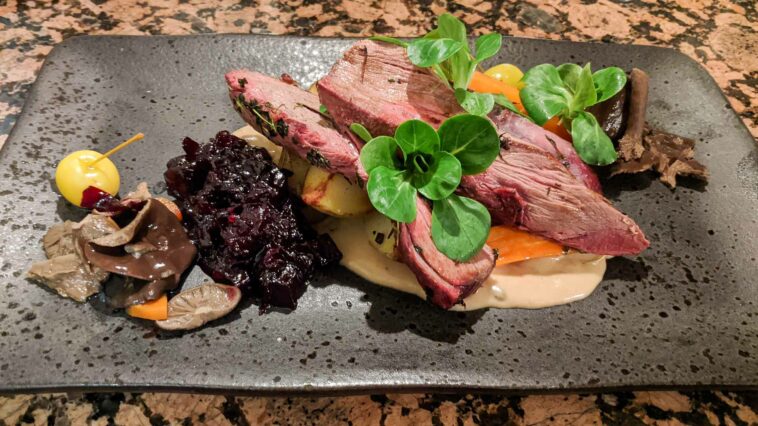
Exploring Estonian Cuisine
Estonian cuisine has been influenced by various cultures throughout history, including German, Russian, and Nordic. The country’s geography and climate have also played a vital role in shaping its traditional dishes. Estonian cuisine is known for its simplicity, natural ingredients, and hearty flavors. Meat, fish, potatoes, dairy products, and berries are some of the staples of Estonian cuisine.
Spices Used in Estonian Dishes
Estonian cuisine is not generally known for its spiciness. Locals tend to use mild flavors and herbs such as dill, parsley, and thyme to season their dishes. However, some Estonian dishes do incorporate spices, although typically in small quantities. The most commonly used spices in Estonian cuisine are black pepper, allspice, and nutmeg. These spices are typically used in meat dishes and stews to add a touch of warmth and depth to the flavor.
Is Heat a Characteristic of Estonian Food?
Heat is not a characteristic of Estonian food. Estonian cuisine focuses more on the natural flavors of the ingredients rather than spiciness. However, this doesn’t mean that Estonian food lacks flavor. On the contrary, traditional Estonian dishes are rich, hearty, and satisfying. For example, a popular Estonian dish is “hapukapsasupp,” which is a sour cabbage soup made with pork and barley. This dish is flavorful, but not spicy. Similarly, “verivorst” is a black pudding made with blood, barley, and pork fat, which is rich and succulent but not spicy.
In conclusion, Estonian cuisine is not known for its spiciness. Estonian locals prefer to use mild flavors and herbs to season their dishes. However, some Estonian dishes incorporate spices, although typically in small quantities. Heat is not a characteristic of Estonian food, which focuses more on the natural flavors of the ingredients. Traditional Estonian dishes are rich, hearty, and satisfying, making them a must-try for food lovers.



Facebook Comments