 John Myers
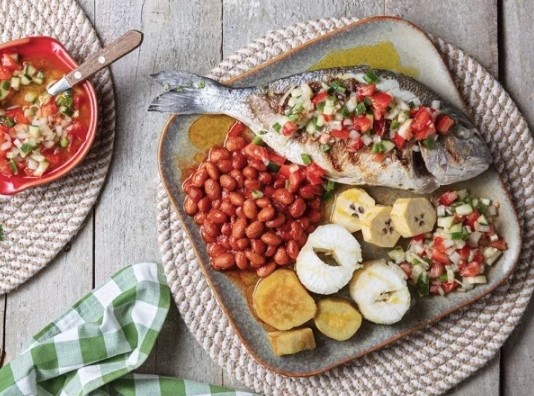
Introduction: The culinary heritage of Angola
Angola is a country located in southwestern Africa with a rich culinary heritage that reflects its diverse cultures and history. The country’s cuisine is heavily influenced by Portuguese colonialism, African and indigenous ingredients, and other foreign influences from its neighboring countries.
Historical influences on Angolan cuisine
Angola’s culinary history dates back to the pre-colonial era when the country’s indigenous communities used local ingredients such as cassava, maize, and beans in their traditional dishes. However, the country’s culinary landscape underwent significant changes during the colonial period, when the Portuguese arrived in Angola in the 16th century.
Portuguese colonialism and its impact on food
Portuguese colonialism had a significant impact on Angolan food, introducing new ingredients, dishes, and cooking techniques to the country. The Portuguese brought with them a wealth of ingredients, including potatoes, tomatoes, and peppers, which were incorporated into Angolan cuisine over time. Traditional Portuguese dishes such as bacalhau (salt cod) and feijoada (a stew of beans and meat) also became popular in Angola.
African and Indigenous influences in Angolan dishes
Despite the impact of Portuguese colonialism on Angolan cuisine, indigenous and African influences continue to play a significant role in the country’s dishes. Many of the traditional dishes in Angola are based on staple ingredients such as cassava, maize, and beans, which are often used in stews and soups. Other popular ingredients in Angolan cuisine include palm oil, coconut milk, and peanuts, which are commonly used in dishes such as muamba de galinha (chicken stew) and moamba de carne (beef stew).
Other foreign influences on Angolan cuisine
In addition to Portuguese colonialism, other foreign influences have also shaped Angolan culinary culture. Neighboring countries such as the Democratic Republic of Congo and Zambia have influenced Angolan dishes, with popular examples including chikwanga (a type of steamed cassava cake) and nshima (a type of porridge made from maize flour). Other foreign influences include Brazilian cuisine, which is evident in dishes such as vatapá (a seafood stew) and caruru (a vegetable stew).
Conclusion: A diverse and flavorful culinary landscape
The culinary landscape of Angola is a testament to the country’s diverse cultures and history. From indigenous and African influences to Portuguese colonialism and other foreign influences, Angolan cuisine is a melting pot of flavors and ingredients that have been shaped by centuries of cultural exchange. Despite the challenges faced by modern Angolan society, the country’s culinary heritage remains a testament to its rich history and cultural diversity.


Facebook Comments