 John Myers

Introduction: Filipino Cuisine
Filipino cuisine is a unique blend of influences from various cultures, including Malay, Chinese, Spanish, and American. It is known for its vibrant flavors, use of herbs and spices, and a wide range of ingredients, including rice, seafood, meat, and vegetables. Filipino cuisine is also characterized by its communal dining style, where dishes are shared with family and friends.
The Role of Rice in Filipino Cuisine
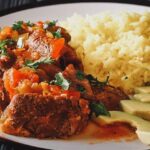
Rice is a staple food in Filipino cuisine and is often served with every meal. It is usually cooked plain or flavored with garlic, coconut milk, or saffron. Rice is also a key ingredient in many Filipino dishes, such as arroz caldo (rice porridge), adobo (meat or seafood cooked in vinegar and soy sauce), and sinangag (garlic fried rice).
However, excessive consumption of rice can lead to health issues such as diabetes and obesity. To balance tradition and health, Filipinos have started incorporating more whole grains and alternative sources of carbohydrates, such as quinoa and sweet potato, into their diets.
Meat and Seafood in Filipino Cuisine
Meat and seafood are also popular ingredients in Filipino cuisine. Pork, beef, chicken, and fish are commonly used in dishes like lechon (roast pig), kare-kare (stewed oxtail and vegetables), and adobo. Seafood dishes include grilled or fried fish, shrimp, and crab.
However, Filipinos are becoming more health-conscious and are opting for leaner cuts of meat and seafood. They are also exploring plant-based protein sources, such as tofu and tempeh.
Vegetarian and Vegan Options in Filipino Cuisine
Filipino cuisine traditionally includes meat and seafood, but there are also vegetarian and vegan options available. Dishes such as ginataang gulay (vegetables cooked in coconut milk), lumpiang sariwa (fresh spring rolls filled with vegetables), and adobong kangkong (stir-fried water spinach) are popular vegetarian options.
Filipino cuisine also offers vegan options, such as sinigang na bayabas (guava sour soup), which uses no meat or seafood broth, and ensaladang talong (grilled eggplant salad), which is dressed with vinegar and onion.
Influence of Religion on Filipino Dietary Restrictions
The Philippines is a predominantly Catholic country, and some religious practices have influenced dietary restrictions. During Lent, some Filipinos abstain from meat and opt for seafood dishes. Muslims in the southern Philippines practice halal dietary restrictions, which prohibit the consumption of pork and alcohol.
Conclusion: Balancing Tradition and Health in Filipino Cuisine
Filipino cuisine is a vibrant and diverse culinary tradition that has been shaped by various cultures. Rice, meat, and seafood are staples, but there are also vegetarian and vegan options available. Filipinos are becoming more health-conscious and are incorporating more whole grains and alternative sources of protein into their diets. Balancing tradition and health is key to maintaining the unique flavors and communal spirit of Filipino cuisine.


Facebook Comments