 John Myers
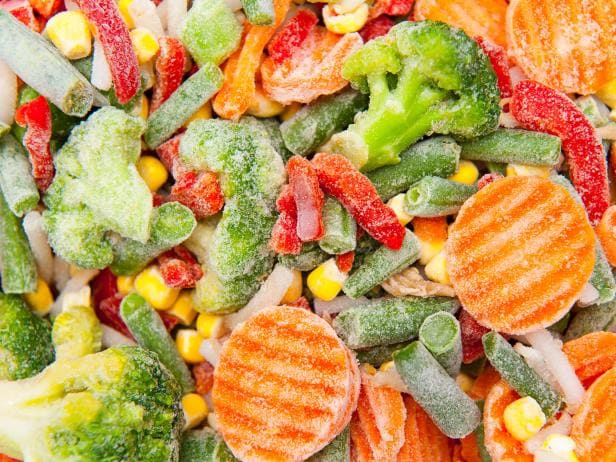
Although food with freezer burn is not harmful to health, it is usually no longer edible. Consistency and taste change as a result of freezer burn, and the food can become tough in the affected areas during preparation.
The dried-out, brownish-red, or white discolored spots on frozen food are caused, among other things, by excessive temperature fluctuations during transport. But leaking or loose packaging can also be the cause: If the frozen food comes into contact with air, water continues to evaporate from the affected areas – even in the deep-frozen state. When you defrost the frozen food, it no longer absorbs water in the areas affected by freezer burn.
To avoid freezer burn, pack food tightly and airtight before freezing. For example, use freezer bags that can cling to meat or vegetables. Carefully squeeze out the air before sealing. Aluminum foil and food foil are also generally suitable. Always transport frozen food home from the grocery store in a cool bag to avoid extreme temperature fluctuations.
Alternatively, frozen goods can be glazed before they are actually frozen. First, it is pre-frozen on a plate without packaging for two hours. Then brush it with cold water or immerse it in it. Then it goes back into the freezer. As soon as the water has frozen and a protective layer of ice has formed, you can pack the frozen food and store it in the freezer.



Facebook Comments