 John Myers
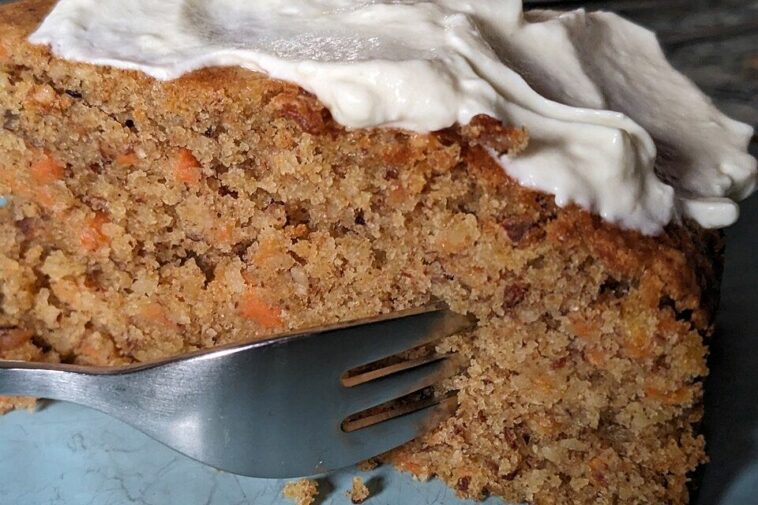
Ingredients for 1 servings:
- 250 g wholemeal spelt flour
- 100 g margarine
- 80 g rapeseed oil
- 3 eggs
- 40 ml oat milk (oat drink)
- 100 g brown sugar
- 130 g erythritol (sugar substitute) or 80 g erythritol + stevia sweetener (equivalent to 50 g sugar)
- 1 tsp Ceylon cinnamon
- 320 g organic carrot(s), coarsely grated
- 200 g hazelnuts, ground and/or ground almonds
- 15 g baking powder
- 150 g cream cheese
- 50 g yogurt
- ½ organic lemon(s), peel and juice
- 2 dashes liquid sweetener (equivalent to 1 tsp sugar, as needed)
- some ginger powder
Instructions
Working time approx. 30 minutes; Cooking/baking time approx. 50 minutes; Total time approx. 1 hour 20 minutes
for those who watch their sugar consumption but still don’t want to miss out on enjoyment, from a 26cm springform pan, approx. 8 pieces
Whisk the margarine, rapeseed oil, sugar, erythritol (or stevia according to the ingredients list), cinnamon, eggs, and oat milk together in a mixer on high for at least 3 minutes. Sift the wholemeal spelt flour with the baking powder through a flour sieve, discarding any remaining flour at the end. Grate the carrots. Add the ground hazelnuts/almonds and mix everything together. Preheat the oven to 180°C (top/bottom heat). Pour the batter into a greased 26cm springform pan and bake for about 50 minutes. Test with a wooden skewer whether the batter is baked through. For the topping, mix the cream cheese, yogurt, lemon juice, and lemon zest, and add a few dashes of liquid sweetener to taste. Only after the cake has cooled do you spread the topping over the surface with a spoon. A pinch of ginger powder on the topping gives the cake an extra flavor. Note: Of the sugar substitutes, erythritol is generally the most well-tolerated (it generally only has a mild laxative effect if consumed in excess). Completely replacing the real sugar would result in a noticeable change in taste. In my opinion, the triple combination of sugar/erythritol/stevia is best suited to imitate the taste of a cake containing only sugar, with a sugar reduction of almost 60%. Furthermore, the whole-wheat flour causes glucose levels to rise only slowly.


Facebook Comments