 John Myers
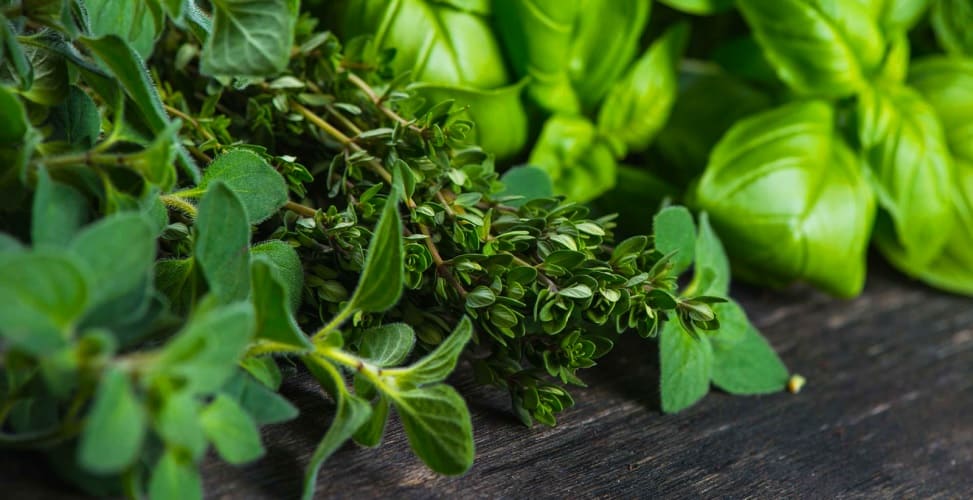
When cooking, not all herbs combine equally well with each other. For example, herbs that taste too similar, like marjoram and oregano, don’t go well together. Their aromas overlap and prevent a specific taste. Other herbs, on the other hand, have a very strong, characteristic taste that is hardly compatible with other herbs. Examples include dill, watercress, mint, and woodruff. It is best not to combine these varieties with other herbs, but use them individually to flavor dishes.
Other types of herbs, on the other hand, can be combined in a variety of ways and without any problems. Parsley, chives, garlic, wild garlic, garden cress, borage, purslane, burnet, for example, as well as small amounts of sorrel and lemon balm are uncomplicated.
In addition, you can use typical herb mixtures as a guide for herbal combinations:
- Herbs from Provence: In addition to thyme, rosemary, oregano, or marjoram, herbs from Provence typically include savory, basil, tarragon, fennel, chervil, bay leaves, and sage. Lavender also goes well with the well-known herbal mixture.
- Bouquet garni: The bouquet garni is a traditional bundle of herbs from French cuisine. It contains parsley, celery leaves, onions, and thyme. Savory, basil, chervil, dill, tarragon, rosemary, burnet, garlic, and/or bay leaves are also common ingredients.
- Fines herbes: The herb mixture Fines herbes also comes from French cuisine. It contains equal parts of parsley, tarragon, chervil, and chives. Depending on the region, the fines herbes can also be combined with sage, basil, savory, thyme, oregano, rosemary, lavender, hyssop, and/or marjoram.
- Herbs for Frankfurt Green Sauce: There are traditionally seven types of herbs in Frankfurt Green Sauce. Parsley, chives, borage, garden cress, burnet, dill, and sorrel are integral parts of the classic recipe.
Some types of herbs go better with salty dishes, others better with sweet dishes. Some varieties can be used for both main courses and desserts. Spicy herbs such as garlic, wild garlic, chives, and representatives of Mediterranean herbs go well with salty dishes. For example, thyme gives classic goulash soup its strong taste. Fresh, fruity aromas such as lemon balm go better with desserts. Mint and lavender add a tasty aroma to hearty meat dishes as well as fine desserts. Incidentally, you can preserve the intensive scents of various herbs very well as spice oil. Our rosemary oil recipe tells you how you can prepare a delicious spice oil yourself. And herbs play a key role in our delicious herb quark recipes and in our herb soup – try them out and enjoy!



Facebook Comments