 John Myers
What’s the standard size of a cutting board?
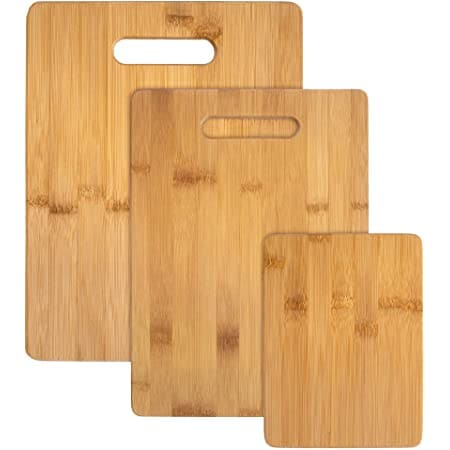
While there are a variety of shapes and sizes to choose from, rectangular boards tend to be the most practical. Wessel says that 12-by-18 inches, the standard size used by his own company, is a good choice.
What is the best thickness for a cutting board?
The choice of wood should be free of warps, have a flat surface and doesn’t have any blemishes or excessive knots on the surface. The ideal cutting board thickness should be 1 1/4 to 2 inches.
What size is a large cutting board?
| Board Type | Board Size (Inches) |
| Small | 8×10 in |
| Medium | 10×14 in |
| Large | 18×24 in |
| Extra Large | 20×30 in |
| Round | 10×10 in |
What are the 3 types of cutting boards?
- Wood cutting board.
- Plastic cutting board.
- Bamboo cutting board.
- Glass cutting board.
What is the most popular size for a cutting board?
A standard cutting board will measure about 12 inches by 18 inches, and have a rectangular shape. This size is ideal for many kitchens because it can be wide enough to cut multiple foods, but also not too large that you would have trouble storing it.
What is a medium size cutting board?
The sizes of medium-sized cutting boards come in 10 by 14 inches or 25 by 36 centimeters, 12 by 18 inches or 30 by 46 centimeters, and 15 by 20 inches or 38 by 51 centimeters.
What wood should not be used for cutting boards?
Avoid woods that are soft, porous, or toxic for cutting boards. Softwoods include balsa, cedar, juniper pine, redwood spruce, and Douglas fir. Porous wood includes mahogany, black walnut, butternut, oak, and ash. Toxic wood includes pine, birch, western red cedar, American mahogany, and rosewoods.
What type of cutting board do chefs use?
Even softer than wooden cutting boards, rubber cutting boards are most commonly used in restaurants. For all chopping tasks, including raw meat, these boards are Cupps’s top pick. “They’re durable, sturdy,” and easy on your knife, she says.
Which is better end grain or edge grain?
Edge grain tops, while very good for chopping and food prep, will show signs of knife marks and wear over time quicker than end grain tops. The very durable wood surface acts like a wall and will also dull knives quicker than end grain tops.
What is the best wood for a cutting board?
Maple — specifically, sugar maple or hard maple — is the most popular choice for cutting boards. Maple is a hard, closed-grain wood. This means that it’s durable, able to resist bacteria, and features just the right amount of hardness.
Why is a thick cutting board better?
Thicker wood boards are often quieter when chopping compared to most plastic boards. Wood is prone to warping and requires more maintenance than plastic—the boards must be hand-washed and oiled frequently.
How big of a cutting board do I need for a brisket?
A medium-sized board (14″ x 17″) is perfect for most kitchen tasks. A large board (18″ x 24″) is my go-to surface for slicing whole briskets and pulling pork butts. A small board (6″ x 9″) is great for small jobs like crushing garlic cloves.
What is the best material for a cutting board?
The best cutting board material is one that can be easily cleaned, and doesn’t damage or dull knives. Common options for cutting board material are wood, plastic, rubber, and bamboo. Wood cutting boards are superior for their hard-wearing and self-healing properties, and their ability to preserve a knife edge.
What is the best material for a chopping board?
Coli, salmonella and listeria, finding that the wooden boards retained 98-99% less bacteria than plastic. Plastic was said to become an even worse breeding ground for bacteria once it’s scarred with knife marks.
How thick should a butcher block cutting board be?
At least 1.5″ inches thick. Large enough to adequately handle the meat you butcher (we say a minimum 12″ x 12″ surface)
How thick should an end grain cutting board be?
Keep end grain cutting board thickness between 2″ and 2 ½” inches. Making the cutting board thinner than this might cause it to warp easily and crack. If it is made thicker than 2 ½ inches, the cutting board will become too heavy for everyday use and for moving it around.
Can you use olive oil for cutting boards?
You should not use any type of cooking oil on your board, such as olive oil, vegetable oil, or regular coconut oil, because they will go rancid. Also keep in mind that excess moisture is bad for wood. Never soak your cutting board or let it sit in water for extended periods.
Why is oak not good for cutting boards?
For you tree enthusiasts, you may recognize that oak is a hardwood, but is not often used in cutting boards. The reason is that oak, while hard, has very large pores. When these pores are cut through they are visible to the naked eye.
How do you seal a cutting board?
Is Bamboo good for a cutting board?
Like maple, walnut and cherry wood, bamboo is dense and good at keeping water and juices out. It makes a good material for cutting boards because it’s lightweight and can be cleaned easily.
What cutting board does Gordon Ramsey use?
Cutting board (The board Gordon uses is a Boos Block. We recommend any substantial wooden cutting board that is at least 24” x 18” in size and not prone to slipping.)
Is it OK to cut cooked meat on a wooden cutting board?
Wooden cutting boards are safe for cutting raw and cooked meat. They are durable, eco-friendly, and provide a soft cutting surface to extend the life of your knives. With proper cleaning and care, wooden cutting boards are an essential tool for your kitchen that will last for years to come.
What is the healthiest cutting board material?
You can argue that stone and glass make the most hygienic cutting board materials. For one, they’re non-porous, so no concerns about bacteria absorption or warping. Plus, they’re effortless to clean and maintain – neither glass nor stone needs oil. Stone and glass will destroy your blade’s sharpness.
Why are butchers blocks end grain?
This block construction makes the butcher block very strong and durable. During cutting and chopping, the end grain wood fibers absorb the impact of the knife blade so the block is resistant to nicks and gouges.
Do end grain cutting boards dull knives?
End grain is the kindest to your knives and will wear the longest. End grain is usually the most expensive because it’s the most labor intensive to make. But it’s also the kindest to your knives and will wear the longest. The wood fibers are pointing upward, so you are cutting into the fibers, instead of across them.
Why are end grain cutting boards so expensive?
End-grain boards are more expensive than other types of cutting boards. They are usually much thicker, too. Edge-grain boards are made by placing planks of wood on edge (taller than they are wide) and gluing them together under pressure.
Can you use butcher block as a cutting board?
You can use a butcher block as a cutting board but not vice versa. Cutting boards are not as thick so they will crack if used improperly. These are made for slicing, dicing, chopping, and julienning rather than chopping meat.
How do you make a homemade cutting board?
What type of cutting board is most sanitary?
Hardwoods (like this maple cutting board from Boos) are better at resisting bacteria. “Hardwoods like maple are fine-grained, and the capillary action of those grains pulls down fluid, trapping the bacteria—which are killed off as the board dries after cleaning,” says Ben Chapman, a food safety researcher at NC State.
How do you disinfect a wooden cutting board?
Soak a clean, white cloth with either pure white vinegar or three percent hydrogen peroxide. Wipe down the board thoroughly and let sit for a few minutes. If there are stains or odors, sprinkle kosher salt or baking soda on to the board, and rub with the cut side of a lemon to clean and deodorize.
How do you keep a wooden cutting board sanitary?
After you sanitize, rub a food-grade mineral oil and then a beeswax-based cream into the wood with a paper towel. This creates a barrier on the surface to prevent the absorption of liquids, so your board may last longer.
What is the best kind of cutting board for meat?
Plastic is generally considered the best option for raw meat because it’s dishwasher safe and has a non-porous surface. Wood cutting boards (including bamboo) can be difficult to sanitize, as they can’t go in the dishwasher.
What are the best butcher blocks made of?
- Cherry is a good pick in many circumstances.
- Maple wood is another strong choice.
- You can also use walnut for your wooden butcher block.
- Bamboo makes for a good budget alternative.
What is an unacceptable material for cutting board?
However, glass cutting boards are the worst for your knives. For this reason we don’t recommend glass cutting boards. Your kitchen should have at least two cutting boards, one wood and one plastic. A wood cutting board is the best for prepping fruits and vegetables.
Is wood or plastic better for cutting board?
Wood cutting boards are often considered better than plastic cutting boards because wood is much more durable and keeps knives sharper.
What do the colors on a cutting board mean?
Here are the different cutting board colors and their meanings: Green: Fruits & Vegetables. Yellow: Raw Poultry. Blue: Cooked Food. White: Dairy Products.
What are purple cutting boards used for?
Purple cutting boards specifically help avoid cross-contamination for eaters with allergens, as their mistakenly eating something bad for them could severely hurt them. Black cutting boards have become popular with sushi chefs and can also be used for grains.
Does cutting board thickness matter?
The thickness of a cutting board plays an important role with certain materials. A plastic or silicone board can be thin, and it won’t make a difference. However, a thin wooden or marble cutting board will not work as well as a thicker board.
What is the best thickness for cutting board?
The ideal cutting board thickness should be 1 1/4 to 2 inches.
Is maple or walnut better for cutting boards?
Maple. Both soft and hard maple make for excellent cutting surfaces. But hard maple (1,450 lbf on the Janka hardness scale) is the industry standard among cutting board makers: It’s more scratch- and impact-resistant than beech, teak, or walnut but not so hard that it will dull your knives.
Do bamboo cutting boards dull knives?
Bamboo is 19 percent harder than traditional maple, which means it’s also harder on your knives. Also, the small grooves may ever-so-slightly catch your knife, interrupting a smooth cutting action.
Do you oil both sides of a cutting board?
Oil both sides of the cutting board as well as the edges. Prop the board against a wall or sink to dry overnight. If any excess oil remains on the wood the next day, you can wipe it off with a rag.
Can I use Vaseline on my cutting board?
Many cutting board manufacturers and chefs recommend food-grade mineral oil , an oil derived from petroleum, just like Vaseline and paraffin. Keep in mind that you’re using it to seal and condition your board, not to cook with.
How do you season a new cutting board?
- First, wash, rinse, and dry your cutting board.
- Apply Emmet’s Elixir wood conditioner.
- Rub the Elixir into the wood using a cloth.
- Let it set for about an hour, until most of the oil is absorbed.
- Buff the board with a dry cloth to remove any excess oil.
- Your board is ready to use!
Is walnut toxic for cutting boards?
Walnut is one of the best woods for cutting boards. It has microbial properties that make it a healthy, safe wooden board to have in the kitchen. Is Walnut toxic for cutting boards? No, walnut is a non-toxic wood for cutting boards.
Is pine safe for cutting boards?
Yes, you can use pine for cutting boards, but it’s not the best type of wood to use for this purpose. Pine is softwood, which means it will be more prone to scratches and nicks than harder woods like maple or oak.
What oil do you use on a wooden cutting board?
Food-grade mineral oil is transparent, has no odor or taste, and is the best cutting board oil. The best oil to use on your cutting board is mineral oil (also called liquid paraffin).
How many coats of mineral oil should you put on a cutting board?
Rub the oil into your board in the direction of the grain. Liberally coat all surfaces, including the top, bottom and side edges. If you are oiling a brand new cutting board, apply four to five coats of oil, allowing the oil to soak in between each coat.
Do wooden cutting boards need oiling?
If you don’t oil it, it’ll eventually dry out and crack.” When you first get a wooden cutting board, clean it and—just as you might a cast-iron skillet—season it, coating it with a thin layer of mineral oil or any other food-safe oil (I use veggie), pushing the oil into the board with a cloth or paper towel.
How often should I oil my cutting board?
Every two weeks to a month, says Trifiro, depending on how often you use your board. If you have a maple cutting board, it will get lighter in color when it’s ready for an oiling. Other boards will feel dry to the touch. When your board is due for an oil up, don’t just slather any old substance on top.
Can I put raw chicken on a wooden cutting board?
The Meat and Poultry Hotline says that consumers may use wood or a nonporous surface for cutting raw meat and poultry. However, consider using one cutting board for fresh produce and bread and a separate one for raw meat, poultry, and seafood.
Can you put raw meat on a wood cutting board?
According to the experts, chopping raw meat on a wooden cutting board is perfectly fine, but it is important to watch out for liquids. In the case of raw meat, there could be liquids or blood that come from the meat when cut, which if left to pool for long periods can be absorbed into the wood.
Which cutting boards are easily contaminated?
Wood cutting boards. Although softwoods are less expensive and require less knife sharpening, they put you at a much higher risk of cross-contamination. The boards are more porous, making it easier for bacteria to live and grow.


Facebook Comments