 Robert Zelesky
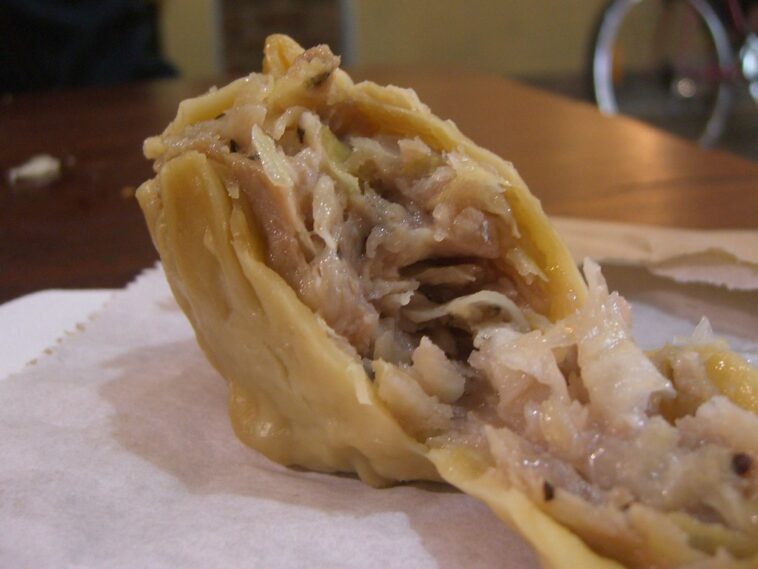
Dim Sum, a beloved culinary tradition originating from Southern China, offers a delightful array of small, bite-sized dishes often enjoyed during brunch or as a social dining experience with friends and family. This article delves into the origins of Dim Sum, popular dishes you can find, and provides a detailed recipe for making Shumai, one of the most iconic Dim Sum offerings.
Origins and Cultural Significance
Dim Sum, which translates to “touch the heart,” originated as a teahouse snack in Guangzhou (Canton) during the ancient Silk Road era. It evolved into a communal dining experience where a variety of small dishes were served alongside tea. Today, Dim Sum has become a staple in Chinese cuisine, with regional variations and a wide assortment of dishes enjoyed worldwide.
Popular Dim Sum Selection
Dim Sum menus vary widely, but they typically include a mix of steamed, fried, and baked dishes. Here are some popular Dim Sum items you might find:
- Shumai (烧卖): Open-faced dumplings filled with seasoned ground pork or shrimp, often garnished with roe or diced vegetables.
- Har Gow (虾饺): Delicate shrimp dumplings with translucent wrappers.
- Char Siu Bao (叉烧包): Steamed buns filled with barbecue-flavored pork.
- Cheung Fun (肠粉): Rice noodle rolls filled with ingredients like shrimp or barbecued pork, served with soy sauce.
- Xiao Long Bao (小笼包): Soup dumplings filled with hot broth and minced pork, enjoyed with ginger and vinegar dipping sauce.
- Fried Spring Rolls (炸春卷): Crispy rolls filled with vegetables, pork, and sometimes shrimp.
- Turnip Cake (萝卜糕): Pan-fried cakes made from shredded radish and rice flour.
- Sesame Balls (煎堆): Deep-fried glutinous rice balls filled with sweet bean paste and coated in sesame seeds.
- Lotus Leaf Sticky Rice (荷叶糯米饭): Glutinous rice steamed with ingredients like pork, sausage, and mushrooms, wrapped in a lotus leaf.
Recipe: Shumai (Steamed Pork Dumplings)
Ingredients:
- 1/2 lb ground pork
- 1/4 cup shrimp, finely chopped
- 2 tablespoons water chestnuts, finely chopped
- 1 tablespoon soy sauce
- 1 tablespoon oyster sauce
- 1 tablespoon sesame oil
- 1 teaspoon sugar
- 1/2 teaspoon salt
- 1/4 teaspoon white pepper
- 1 tablespoon cornstarch
- 1 package round dumpling wrappers
- Pea shoots or cilantro leaves, for garnish
Instructions:
1. Prepare the Filling:
- In a bowl, combine ground pork, chopped shrimp, water chestnuts, soy sauce, oyster sauce, sesame oil, sugar, salt, white pepper, and cornstarch. Mix well until thoroughly combined and sticky.
2. Assemble the Shumai:
- Take a dumpling wrapper and place about 1 tablespoon of filling in the center.
- Gather the edges of the wrapper around the filling, leaving the top exposed. Press lightly to flatten the bottom.
- Optionally, garnish with a small piece of pea shoot or cilantro leaf on top.
3. Steam the Shumai:
- Prepare a steamer lined with parchment paper or cabbage leaves to prevent sticking.
- Arrange the Shumai in the steamer basket, leaving space between each dumpling to prevent them from sticking together.
- Steam over high heat for 8-10 minutes, or until the filling is cooked through and the wrapper becomes translucent.
4. Serve:
- Transfer the steamed Shumai to a serving plate or bamboo steamer.
- Serve hot with soy sauce or chili sauce for dipping.
Tips for Enjoying Dim Sum:
- Tea Pairing: Dim Sum is traditionally served with Chinese tea, such as Jasmine or Oolong, which helps cleanse the palate between bites.
- Sharing Tradition: Dim Sum is often enjoyed family-style, where dishes are placed in the center of the table and shared among diners.
- Variety is Key: Experiment with different Dim Sum dishes to experience a wide range of flavors, textures, and cooking techniques.
Conclusion
Dim Sum offers a tantalizing journey through Chinese culinary heritage, showcasing a variety of small, flavorful dishes that appeal to both the palate and the senses. By exploring the origins, popular selections, and sharing a recipe for Shumai, this article aims to inspire you to recreate the Dim Sum dining experience at home, bringing a taste of Chinese culture and tradition to your table.
Whether you’re hosting a brunch gathering or simply craving a taste of authentic Dim Sum, these small bites are sure to delight with their intricate flavors and comforting appeal.

Facebook Comments