 Robert Zelesky
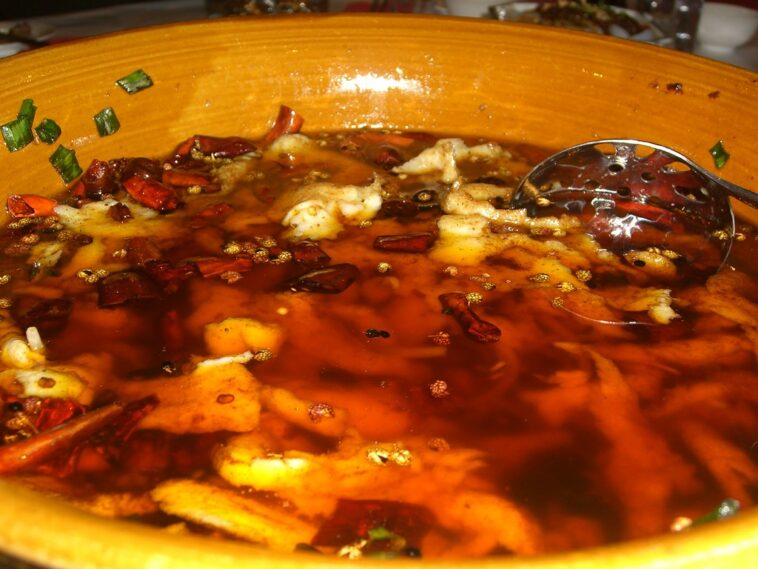
Sichuan Hot and Sour Soup (酸辣汤, suān là tāng) is a beloved dish from the Sichuan province in China, renowned for its complex flavors and comforting warmth. This article explores the origins of Hot and Sour Soup, its key ingredients, cooking techniques, and provides a detailed recipe for you to recreate this iconic dish in your own kitchen.
Origins and Cultural Significance
Hot and Sour Soup has a long history in Chinese cuisine, dating back to ancient times. It is believed to have originated in the Sichuan province, known for its bold flavors and spicy dishes. The soup gained popularity across China and eventually became a staple in Chinese restaurants worldwide. Its name, “Hot and Sour,” refers to the contrasting flavors of spiciness from chili peppers and tanginess from vinegar, which are key elements of the dish.
Key Ingredients
Broth Base:
- Chicken or Pork Stock: Provides a rich and flavorful base for the soup. You can use homemade stock or store-bought broth as a time-saving option.
- Vinegar: Adds tanginess to the soup. Typically, a combination of black vinegar and rice vinegar is used to achieve the right balance of flavors.
- Soy Sauce: Adds depth and saltiness to the soup.
- White Pepper: Provides heat and complements the tangy flavors. White pepper is preferred for its milder heat compared to black pepper.
Ingredients for Texture and Flavor:
- Firm Tofu: Cut into small cubes to add a silky texture to the soup.
- Shiitake Mushrooms: Sliced thinly to add umami and a meaty texture.
- Bamboo Shoots: Adds crunch and a subtle earthy flavor.
- Wood Ear Fungus: Also known as black fungus, adds a chewy texture and absorbs flavors well.
- Eggs: Beaten and drizzled into the soup to create delicate ribbons.
Seasonings and Garnishes:
- Sesame Oil: Adds aroma and enhances the overall flavor of the soup.
- Cornstarch Slurry: Used to thicken the soup slightly. Mix cornstarch with water before adding it to the simmering broth.
- Green Onions: Chopped for garnish, adding freshness and color to the finished dish.
- Cilantro: Optional for garnish, adds a refreshing herbal note.
Preparation Method
Step-by-Step Recipe:
1. Prepare the Ingredients:
- Slice the shiitake mushrooms thinly.
- Cut the firm tofu into small cubes.
- Soak the wood ear fungus in warm water until soft, then slice thinly.
- Drain and rinse bamboo shoots if using canned ones.
2. Make the Broth:
- In a large pot, bring chicken or pork stock to a simmer over medium heat.
- Add sliced shiitake mushrooms, bamboo shoots, and wood ear fungus to the pot.
- Season with soy sauce, white pepper, and a dash of sesame oil. Stir to combine.
3. Add Tofu and Vinegar:
- Gently add the cubed tofu to the simmering broth. Be careful not to stir vigorously to avoid breaking the tofu.
- Pour in the vinegar (a mix of black vinegar and rice vinegar) to the soup. Adjust the amount according to your preference for tanginess.
4. Thicken the Soup:
- Mix cornstarch with water to create a slurry. Slowly pour the slurry into the simmering soup while stirring gently.
- Continue stirring until the soup slightly thickens and becomes glossy.
5. Add Beaten Eggs:
- While stirring the soup gently in one direction, slowly drizzle the beaten eggs into the pot. The eggs will cook immediately and form delicate ribbons in the soup.
6. Adjust Seasoning and Serve:
- Taste the soup and adjust seasoning if necessary, adding more soy sauce or white pepper to taste.
- Ladle the hot and sour soup into bowls. Garnish with chopped green onions and cilantro, if desired.
Tips for Making Sichuan Hot and Sour Soup:
- Adjusting Spice Level: If you prefer a spicier soup, you can add a touch of chili oil or more white pepper.
- Texture Variation: Feel free to add other ingredients such as shredded chicken, pork, or even seafood like shrimp for a protein-rich variation.
- Storage: Hot and Sour Soup keeps well in the refrigerator for a few days. Reheat gently over low heat to preserve the texture of the tofu.
Conclusion
Sichuan Hot and Sour Soup exemplifies the bold and contrasting flavors of Sichuan cuisine, offering a harmonious balance of heat, tanginess, and texture. By following this recipe and understanding its cultural significance, you can recreate the authentic taste of Hot and Sour Soup at home, bringing a taste of Sichuan to your dining table. Whether enjoyed as a comforting appetizer or a light meal, Hot and Sour Soup promises to delight with its complex flavors and soothing warmth.

Facebook Comments