 John Myers
Introduction to Brazilian Cuisine
Brazilian cuisine is a blend of various cultural influences, including Portuguese, African, and indigenous traditions. It is characterized by the use of exotic ingredients, bold flavors, and colorful combinations. Brazilian cuisine is as diverse as its geography, with each region having its unique food culture. It is an amalgamation of indigenous, African, and European culinary traditions that have evolved over time to create a unique cuisine that is both delicious and intriguing.
The History of Brazilian Food
Brazilian cuisine has a rich history that dates back to the time of the indigenous people who lived in the region before the arrival of the Europeans. The arrival of the Portuguese in the 16th century brought new ingredients and cooking techniques to Brazil. The African slaves who were brought to Brazil in the 18th century also contributed to the country’s culinary traditions. The result of this fusion of cultures is a cuisine that is diverse and delicious, with unique flavors and textures.
Ingredients Used in Brazilian Cuisine
Brazilian cuisine is known for its use of exotic ingredients such as cassava, coconut milk, palm oil, and various types of peppers. These ingredients are used to create a unique blend of flavors that is distinctively Brazilian. Other popular ingredients include rice, beans, seafood, and various tropical fruits such as acai, mango, and passion fruit. Brazilian cuisine also uses a variety of meats, including beef, pork, and chicken.
Popular Dishes in Brazil
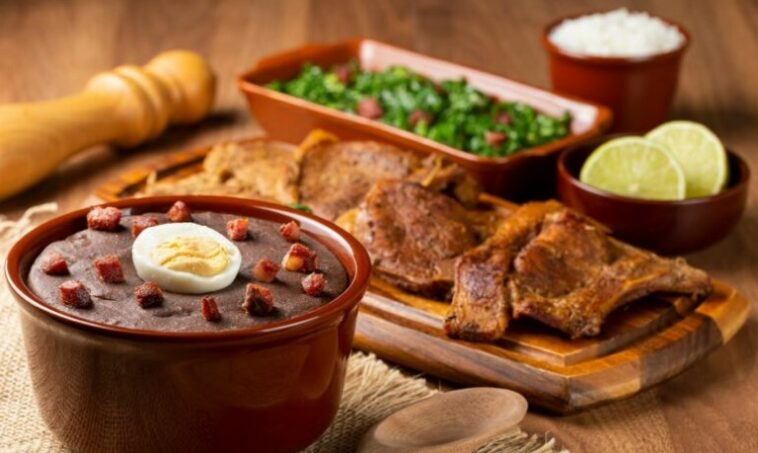
Some popular dishes in Brazil include feijoada, a hearty stew made with black beans and various cuts of pork; churrasco, a type of barbecue that is popular throughout the country; and moqueca, a seafood stew that is popular in the northeast region of Brazil. Other popular dishes include acarajé, a deep-fried bean cake stuffed with various fillings; coxinha, a deep-fried chicken croquette; and pão de queijo, a cheese bread that is popular throughout the country.
Regional Cuisine in Brazil
Brazil is a large and diverse country, with each region having its unique food culture. For example, the cuisine of the northeast region is heavily influenced by African and indigenous traditions, while the cuisine of the south region is influenced by European traditions. The cuisine of the Amazon region is known for its use of exotic ingredients such as pirarucu (a type of fish), tucupi (a type of sauce), and jambu (a type of herb).
Cooking Techniques in Brazilian Cuisine
Brazilian cuisine uses a variety of cooking techniques, including grilling, roasting, stewing, and frying. Barbecue is particularly popular, with churrasco being a favorite throughout the country. Other popular cooking techniques include slow-cooking, which is used to create delicious stews such as feijoada, and deep-frying, which is used to make various types of savory and sweet snacks.
Drinks and Desserts in Brazil
Brazil is known for its delicious drinks and desserts. One of the most popular drinks in Brazil is caipirinha, a cocktail made with cachaça (a type of rum), lime, and sugar. Other popular drinks include guaraná, a soft drink made from a native Brazilian fruit, and mate, a type of tea that is popular in the south of the country. Popular desserts include brigadeiro, a chocolate truffle-like treat, and pudim de leite, a creamy caramel flan.
Vegetarian and Vegan Options in Brazilian Cuisine
Although Brazilian cuisine is known for its meat-based dishes, there are also plenty of vegetarian and vegan options available. For example, feijoada can be made with vegetarian or vegan ingredients, and there are many delicious vegetable-based stews and soups available. Pão de queijo can also be made with vegan cheese, and there are many delicious fruit-based desserts available.
Where to Find Authentic Brazilian Food
To discover authentic Brazilian cuisine, it is best to visit a Brazilian restaurant or attend a Brazilian food festival. Many cities around the world have Brazilian restaurants that specialize in authentic Brazilian cuisine. It is also possible to find Brazilian markets that sell ingredients and products that are difficult to find elsewhere.
Tips for Preparing Authentic Brazilian Dishes at Home
To prepare authentic Brazilian dishes at home, it is important to use the right ingredients and follow traditional cooking techniques. Many Brazilian dishes require slow-cooking or marinating, so it is important to plan ahead. It is also important to use fresh ingredients and to experiment with different flavors and combinations to create a unique and delicious dish.



Facebook Comments