 John Myers

Introduction: The Fascinating World of Indian Cuisine
Indian cuisine is a vast and diverse culinary landscape, rich in flavors, aromas, and textures. From spicy curries to aromatic biryanis, from crispy dosas to fluffy naans, Indian food is as diverse as its people and culture. With a history spanning thousands of years, Indian cuisine has evolved over time, blending ancient traditions with new innovations, resulting in a cuisine that is both traditional and modern. In this article, we will explore the history, influences, and flavors of Indian cuisine, and discover the delights of this fascinating culinary world.
History of Indian Cuisine: A Journey Through Time
The history of Indian cuisine dates back to ancient times, and is rooted in a rich cultural and religious heritage. The earliest known Indian cuisine was based on simple vegetarian dishes, using rice, lentils, and vegetables, which were cooked in earthen pots over open fires. Over time, Indian cuisine evolved with the arrival of the Mughals, who introduced a variety of meat dishes, spices, and cooking techniques. The British also had a significant impact on Indian cuisine, introducing new ingredients such as potatoes, tomatoes, and chilies, which became an integral part of Indian cooking. Today, Indian cuisine is a fusion of ancient traditions, colonial influences, and modern innovations, resulting in a diverse and delicious culinary landscape.
Geographical and Cultural Influences on Indian Cuisine
Geographical and cultural influences have played a significant role in shaping Indian cuisine. The diverse climate and topography of India have led to a variety of regional cuisines, each with its own unique flavors and ingredients. For example, the North Indian cuisine is known for its rich, creamy curries, while the South Indian cuisine is characterized by its use of rice, coconut, and spices. The coastal regions of India are famous for their seafood dishes, while the desert regions of Rajasthan are known for their vegetarian curries and snacks. The cultural diversity of India has also influenced its cuisine, with Hindu, Muslim, and Jain communities having their own set of dietary restrictions, resulting in a rich and varied cuisine.
Spices and Herbs: The Flavorful Essence of Indian Cooking
Spices and herbs are the heart and soul of Indian cooking, giving it its distinctive flavor and aroma. From aromatic cumin to fiery red chilies, from pungent ginger to fragrant cardamom, Indian cuisine is a celebration of spices and herbs. The use of spices in Indian cooking is not just for flavor, but also for their medicinal and health benefits. Spices such as turmeric, cumin, and coriander are known for their anti-inflammatory properties, while ginger and garlic have antibacterial and antifungal properties. The art of blending spices and herbs is what gives Indian food its unique taste and aroma, creating a flavor explosion in every bite.
Vegetarian Delights: The Richness of Indian Vegetarian Cuisine
Indian cuisine is one of the world’s most vegetarian-friendly cuisines, with a wide variety of vegetarian dishes that are both delicious and nutritious. From simple lentil soups to elaborate vegetable curries, from crispy samosas to fluffy dosas, Indian vegetarian cuisine is a celebration of flavor and texture. Many of these vegetarian dishes are also vegan-friendly, making it an ideal choice for those following a plant-based lifestyle. Indian vegetarian cuisine is not just a culinary delight, but also has a long and rich tradition, dating back to the Vedic times, where vegetarianism was considered a way of life.
Non-Vegetarian Dishes: The Diverse Meat Recipes of India
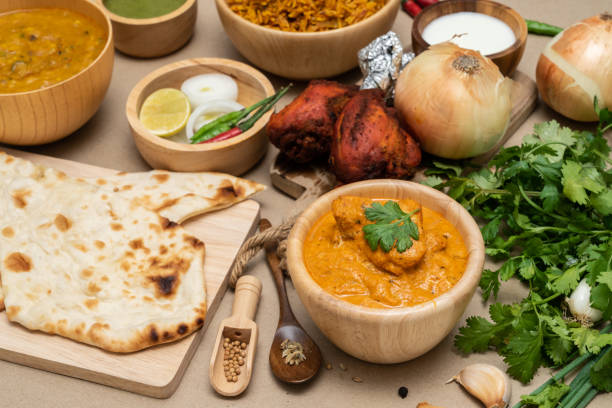
While Indian vegetarian cuisine is famous, non-vegetarian dishes are equally diverse and delicious. From rich and creamy butter chicken to spicy vindaloo, from tender tandoori chicken to succulent biryanis, Indian non-vegetarian dishes are a celebration of flavor and texture. The use of spices and herbs in meat dishes is what makes Indian non-vegetarian cuisine unique, creating a flavor explosion in every bite. The diversity of meat dishes is also influenced by regional and cultural factors, with some regions specializing in seafood, while others in lamb or chicken.
Breads, Rice, and Accompaniments: The Perfect Complement to Indian Dishes
Breads, rice, and accompaniments are an essential part of Indian cuisine, serving as the perfect complement to main dishes. From fluffy naans to crispy rotis, from fragrant biryanis to steaming pilafs, Indian bread and rice dishes are a celebration of flavor and texture. Accompaniments such as chutneys, pickles, and raitas add a burst of flavor and freshness to every meal, enhancing the taste of the main dishes.
Street Food: The Popular and Mouthwatering Indian Snacks
Indian street food is a popular and mouthwatering culinary delight, offering a variety of snacks and treats that are both delicious and affordable. From crispy pakoras to spicy chaats, from sweet jalebis to savory samosas, Indian street food is a feast for the senses. Street food is an integral part of Indian culinary culture, with every region having its own set of specialties and flavors.
Desserts and Sweets: The Sweet-toothed Side of Indian Cuisine
Indian desserts and sweets are a celebration of flavor and sweetness, with a variety of dishes that are unique and delicious. From creamy ras malai to syrupy gulab jamuns, from fragrant kulfi to rich gajar ka halwa, Indian desserts are a delight to the sweet tooth. The use of ingredients such as milk, ghee, and sugar is what makes Indian desserts so rich and delicious, creating a flavor explosion in every bite.
Drinks and Beverages: The Refreshing World of Indian Beverages
Indian drinks and beverages are a refreshing and delicious accompaniment to Indian cuisine. From fragrant chai to cooling lassis, from refreshing nimbu pani to spicy masala sodas, Indian beverages are a feast for the senses. The use of spices and herbs in beverages is what makes Indian drinks unique, creating a flavor explosion in every sip. Indian beverages are also known for their health benefits, with many of them having medicinal and therapeutic properties.
In conclusion, Indian cuisine is a vast and diverse culinary landscape, rich in flavors, aromas, and textures. From vegetarian delights to non-vegetarian feasts, from street food to desserts, Indian cuisine is a celebration of flavor and culture. With a history spanning thousands of years, Indian cuisine has evolved over time, blending ancient traditions with new innovations, resulting in a cuisine that is both traditional and modern. So, come and discover the delights of Indian cuisine, and embark on a culinary adventure like no other.


Facebook Comments