 John Myers
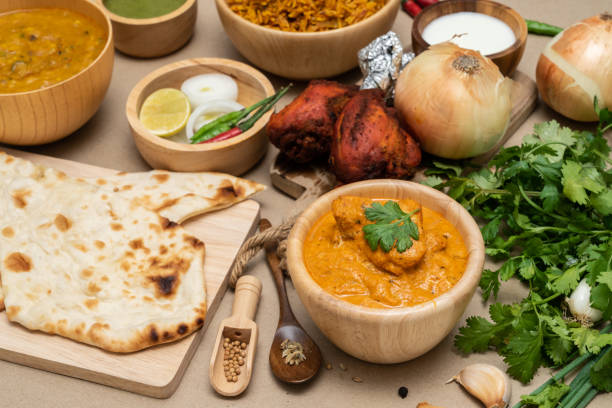
Introduction: Discovering Indian Cuisine
Indian cuisine is a rich and diverse culinary tradition that is celebrated for its flavorful spices, aromatic herbs, and bold, complex flavors. From hearty curries and savory street food to sweet desserts and refreshing beverages, Indian cuisine offers an array of delightful dishes that are sure to tantalize the taste buds of food enthusiasts around the world. Whether you are a seasoned foodie or a curious traveler, exploring the delights of Indian cuisine is an adventure that is well worth taking.
A Brief History of Indian Cuisine
Indian cuisine has a long and fascinating history that spans over 5,000 years. Influenced by the diverse cultures, religions, and traditions that have shaped India’s rich heritage, Indian cuisine has evolved over time to become a blend of different flavors, techniques, and ingredients. Some of the key influences on Indian cuisine include the ancient Vedic texts, the Mughal Empire, and the British Raj. Today, Indian cuisine is celebrated for its diversity, complexity, and richness, and is recognized as one of the world’s great culinary traditions.
Regional Varieties of Indian Cuisine
One of the most fascinating aspects of Indian cuisine is the incredible diversity of regional variations that exist within the country. From the fiery curries of the south to the creamy kormas of the north, each region of India has its own unique culinary traditions and specialties. Some of the most famous regional cuisines of India include Punjabi, South Indian, Bengali, and Gujarati, each of which offers a distinct range of flavors, spices, and cooking techniques.
Essential Spices and Ingredients in Indian Cooking
Spices are the soul of Indian cuisine, and are an essential ingredient in almost every dish. From cumin and coriander to turmeric and cardamom, Indian cuisine is known for its use of a wide range of aromatic and flavorful spices. Other key ingredients in Indian cooking include rice, lentils, vegetables, and dairy products, such as ghee, paneer, and yogurt.
Vegetarian and Non-vegetarian Dishes in Indian Cuisine
Indian cuisine is well known for its wide range of vegetarian dishes, which are often based on lentils, vegetables, and dairy products. However, non-vegetarian dishes are also an important part of Indian cuisine, with chicken, lamb, and fish being popular ingredients in many regional cuisines. Some of the most famous non-vegetarian dishes in Indian cuisine include chicken tikka, biryani, and butter chicken.
Popular Street Food in India
Street food is an integral part of the Indian culinary experience, and offers a fascinating glimpse into the country’s vibrant and diverse food culture. From spicy chaat and crispy samosas to hearty pav bhaji and sweet jalebis, Indian street food is as varied as it is delicious, and is a must-try for anyone visiting the country.
Traditional Indian Desserts and Sweets
Indian cuisine is famous for its sweet treats, which are often made with dairy products, nuts, and aromatic spices. Some of the most popular traditional Indian desserts include gulab jamun, rasgulla, and kulfi, which are known for their rich, creamy textures and intense flavors.
Pairing Indian Dishes with Beverages
Indian cuisine is often paired with a variety of traditional beverages, such as lassi, chai, and thandai, which complement the bold and complex flavors of the food. However, Indian cuisine also pairs well with a range of other beverages, such as beer, wine, and cocktails, making it a versatile and exciting culinary experience.
Indian Cuisine in Western Countries
Indian cuisine has become increasingly popular in Western countries in recent years, with many people embracing its bold flavors and diverse range of dishes. Today, Indian restaurants can be found in cities around the world, and Indian cuisine has become a staple of many people’s diets.
Tips for Cooking Indian Food at Home
If you’re interested in exploring the delights of Indian cuisine at home, there are a few tips that can help you get started. First, stock up on essential spices and ingredients, such as cumin, coriander, turmeric, and lentils. Second, experiment with different cooking techniques, such as roasting, frying, and simmering, to create a range of flavors and textures. Finally, don’t be afraid to try new dishes and experiment with different flavor combinations to find your own unique style of Indian cooking.


Facebook Comments