 John Myers
Introduction: Uncovering the Richness of Argentine Cuisine
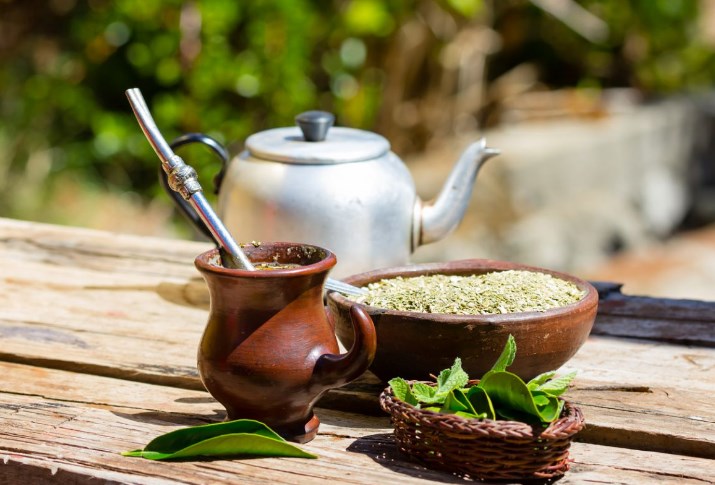
Argentine cuisine is a rich and diverse combination of influences and flavors that reflect the country’s history and cultural heritage. From the juicy steaks and savory empanadas to the sweet dulce de leche and the bitter mate tea, Argentine food is a feast for the senses. Whether you are a food lover or an adventurous traveler, discovering traditional Argentine cuisine is an exciting journey that will introduce you to new tastes, aromas, and textures.
In this article, we will explore the history, ingredients, and dishes that define Argentine cuisine, from the indigenous roots to the European and African influences that shaped its evolution. We will also highlight some of the most popular and delicious foods and beverages that you can enjoy in Argentina, both in restaurants and in the homes of locals. So, get ready to savor the flavors of Argentina and learn about its gastronomic treasures.
History of Argentine Cuisine: Influences and Evolution
The story of Argentine cuisine is a tale of multiple influences and culinary traditions that blended over time to create a unique and diverse cuisine. The indigenous peoples who inhabited the region before the arrival of the Spanish in the 16th century used local ingredients such as corn, potatoes, quinoa, and beans in their cooking. With the colonization of the territory by the Spanish, new ingredients and cooking techniques were introduced, including beef, wheat, dairy products, and spices.
In the 19th century, the immigration of millions of Europeans, mainly from Italy and Spain, further enriched the Argentine culinary landscape. Italian immigrants brought pasta, pizza, and gelato, while Spanish immigrants contributed to the tradition of tapas, paella, and gazpacho. African slaves who were brought to Argentina in the same period also left their mark on the cuisine, with dishes such as locro (a stew made with corn, beans, and meat) and mondongo (tripe soup). Today, Argentine cuisine is a fusion of these influences and continues to evolve with the creativity and innovation of local chefs and food enthusiasts.


Facebook Comments