 John Myers
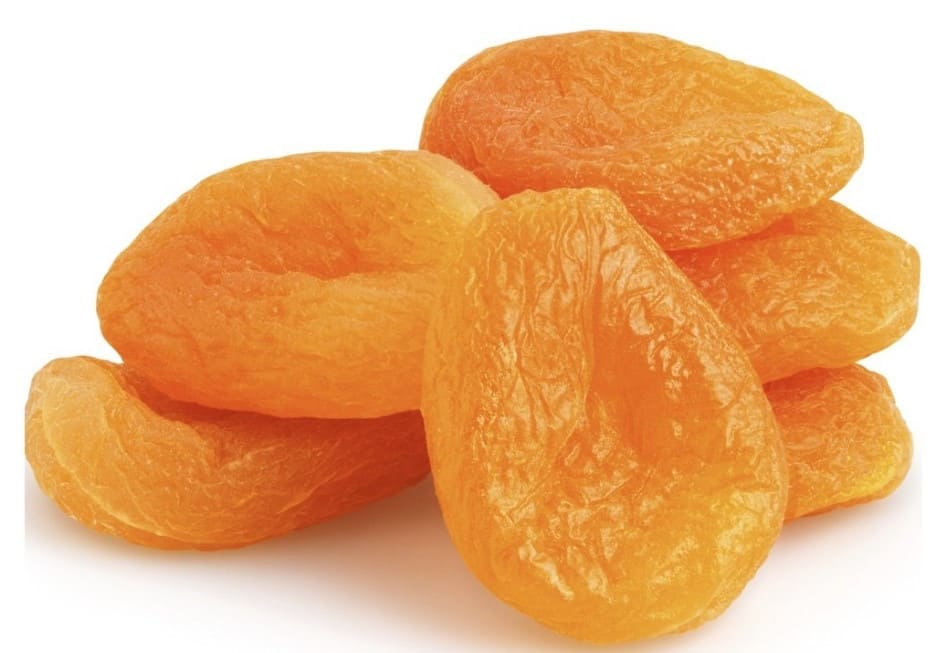
The apricot (Austrian: Marille) belongs to the stone fruits and is the fruit of the apricot tree. Their rough, velvety, sometimes smooth skin is light yellow to orange-yellow in color. A seam runs from the stalk to the base of the star, where the fruit can be divided into two halves. To dry them, they are first stoned and then dried whole in large ovens with a supply of warm air. As a result, the fruit loses moisture and its percentage of sugar increases, making it sweeter but also keeping it longer.
Origin
The apricot comes from northern China and was cultivated there 4000 years ago. Today, wild apricot trees can only be found from Japan to Central Asia. Cultivation areas that are important for Germany are mainly in the Mediterranean region, above all in Turkey, France and Spain.
Season
Dried apricots are available all year round.
Taste
Dried apricots taste fruity and sweet.
Use
Dried apricots are great for snacking between meals. They are a good substitute for confectionery. They are also suitable for pastries with dried fruit (fruit bread). Also delicious in muesli and in homemade muesli bars. They are a classic ingredient in mixed baked fruit. In oriental cuisine they are also used in savory dishes. With our fruit leather recipe, you dry fruit yourself to process it into a delicious candy.
Storage
It is best to store the dried fruit in a cool (7-10 °C) and dry place. Storage in the refrigerator is not recommended because the humidity there is too high. Closable, opaque cans are best.
Durability
If stored properly, dried apricots can be kept for up to 2 years. Sulphurised fruit has a longer shelf life than unsulphurised fruit. The warmer the storage location, the shorter the shelf life.
What are the benefits of dried apricots?
One cup of dried apricots provides 94% of your body’s daily need for Vitamin A and 19% of its iron. Dried apricots also contain potassium and antioxidants and have been known to lower cholesterol and improve digestion. Dried apricots are fat-free, low in calories & high in flavor!
How many dried apricots should you eat a day?
Obviously, dried apricots count as one of your five a day. The recommended portion is 30gms (3 or 4 apricots). All dried fruit contains the same nutritional qualities as the original fresh fruit.
Is dried apricot healthy?
Dried apricots are higher in most nutrients than fresh apricots. A serving of 5-6 dried apricots has more than four times the fiber than a whole fresh apricot. Fiber helps lower your risk of heart disease, diabetes, and some types of cancer. Dried apricots also have more potassium, iron, and calcium.
What are the side effects of dried apricots?
A compound called amygdalin is present in apricot kernels. This compound converts into cyanide after consumption. Cyanide poisoning can lead to nausea, headaches, thirst, lethargy, nervousness, fever, joint pain, muscle pain, and reduced blood pressure. It can be fatal in severe cases.
Who should not eat apricots?
The FSAI advises against eating apricot kernels due to the risk of cyanide poisoning. This advice applies to raw, unprocessed apricot kernels and powdered forms of them. If you do decide to eat them, you should not eat more than 0.37g per adult per day, which is the equivalent of 1-2 small kernels.
Do dried apricots make you poop?
Dried fruits, such as dates, figs, prunes, apricots, and raisins, are another great source of dietary fiber that acts as constipation relief. “Prunes, in particular, are great because they not only are high in fiber, they also contain sorbitol, which is a natural laxative,” Prather says.
How many dried apricots is too many?
In fact, the FDA (Food and Drug Administration) and international guidelines recommend a maximum consumption of 40g of dried fruit per day. When consuming Dried Apricots, it is essential to pay attention to the doses: 100g of dried apricots have a significantly higher calorie content than 100g of fresh fruit.
Do apricots make you fart?
And it’s not only vegetables; fruit can also give you gas. Apples, bananas, peaches, pears, apricots, and oranges, along with dried fruit, all contain sorbitol, which is a sugar alcohol that’s super gassy.
Do dried apricots make you gassy?
These dried fruits also may cause gas: Apricots. Prunes. Raisins.



Facebook Comments