 John Myers
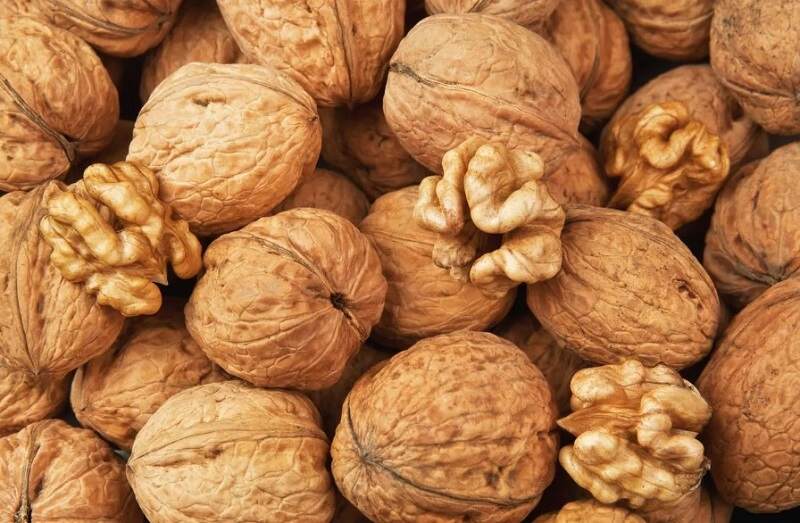
Nuts are said to have a positive effect on cardiovascular diseases, diabetes and cancer, mood and mental performance. What is it?
What is included in the nuts?
Not everything that we colloquially refer to as a nut – also in this text – is also a nut.
Let’s dive into the botany for a moment: From her point of view, nuts belong to the fruit. You can recognize the nuts by the nutshell. It arises because all three layers of the so-called pericarp lignify. This is what makes the nut shell so hard and it encloses the seed, which we colloquially call the nut.
- Strictly speaking, only walnuts, hazelnuts and macadamia nuts belong to the common varieties . Beechnuts and chestnuts are also real nuts.
- Peanuts are legumes . This can also be seen in the shell: It is not hard and, like other sleeves, can be easily opened at the stomach and back seam.
- Almonds, pistachios, coconut, and pecans are botanically drupes . In drupes, only the inner pericarp is lignified.
- Cashews are also not nuts, but the kernels of the cashew apple, which belongs to the shell fruit .
- And it gets even better: while the shea nut is botanically a berry , the strawberry is a so-called nut-like independant fruit , also known as an aggregate nut.
- The name gives it away: Flax and chia seeds (like sesame and poppy seeds) are considered seeds .
Nuts and seeds are also part of the fruit in the food groups of the German Society for Nutrition (DGE) and can occasionally replace one of the two recommended daily portions of fruit.
What do nuts contain?
Although they are botanically different, the nuts mentioned have broadly comparable ingredients. This is also the reason why we call peanuts and cashews nuts.
All in all, nuts contain little water, lots of fat, protein, carbohydrates and fiber. They can also be sources of minerals, vitamins and phytochemicals. There are of course differences in the exact composition.
Three key nutrients that nuts and seeds provide:
- Protein : Nuts are good sources of protein. Peanuts contain 25 grams of protein/100 grams, pumpkin seeds even 35 grams/100 grams. In addition, these proteins have a relatively high so-called biological value for a plant-based food. This means that the body can convert the protein in the diet into endogenous proteins more efficiently than, for example, the proteins in most types of grain.
- Omega-3 fatty acids : The unsaturated fatty acids are mainly found in linseed, chia seeds and walnuts. Flaxseeds contain 20 grams of alpha-linolenic acid (ALA) per 100 grams, compared to 10 grams for the same amount of walnuts.
- Iron : Sesame, pistachios, and pumpkin seeds can be sources of iron. Sesame seeds contain 10 milligrams of iron/100 grams. So about 1 tablespoon of sesame butter contains 2 milligrams of iron.
How healthy are nuts?
The professional societies agree that nuts should be part of a balanced diet. They contain healthy fatty acids and are a good source of vegetable protein. In general, you can say that they are healthy. Exactly how healthy is not so easy to answer. Figuring out how certain foods affect health is always a complicated research task. Many factors play a role and the question of correlation or causality arises.
With regard to nut consumption, this means: Are people who eat nuts healthier anyway because they exercise a lot or smoke less, or are they healthier because there is a causal connection, for example because the nuts improve certain blood values? There are already plausible explanations for some health effects, but not all effects have been clearly proven. An important question is, for example, whether nuts can also protect against very specific diseases.
One finds many promises of salvation in this regard. They are said to reduce the risk of cardiovascular disease, diabetes and cancer and are also good for cholesterol levels, mood and concentration . Sounds too good to be true? That’s why we took a close look at various reviews on the subject:
Cardiovascular diseases
Here the research situation is not very clear. A large meta-analysis by the renowned Cochrane network came to the conclusion in 2015 that the data on whether nuts really have a positive effect on cardiovascular diseases is still very weak. Since then, however, there have been other major studies that describe positive effects on cholesterol levels , blood pressure and heart health in general.
The German Society for Nutrition (DGE) draws this conclusion : “The consumption of nuts and almonds probably reduces the risk of developing coronary heart disease.” The DGE recommends nuts because, in their view, the benefits for heart health outweigh the disadvantages of the high calorie content.
Type 2 diabetes
Overall, nuts seem to have a positive impact. When almonds are part of the meal of people at risk of type 2 diabetes, the typical drop in blood sugar levels after eating is reduced and feelings of satiety increased. In addition, insulin levels and other blood parameters are better when almonds are consumed. Walnuts have also been shown to improve insulin metabolism and vascular function in people with type 2 diabetes. Diabetes sufferers who eat pistachios had better sugar metabolism, among other things.
More research needed
There is evidence that walnuts can have a positive effect on certain blood values in men at increased risk of prostate cancer. In addition, nuts could have a positive effect on memory performance, general information processing and also on depression , especially in older people . More research is needed to really show how nuts affect cognition, mood and the development of cancer.
Aren’t nuts so healthy after all?
For some diseases, the effects of nuts have not yet been clearly proven. That’s not to say nuts aren’t healthy, but that you should be careful with specific promises and claims. Anyone who follows the consumption recommendations of the professional societies can be sure that the consumption of nuts does not harm and contributes to a healthy diet overall.
How could nuts work?
Even if there is still no evidence for the effects on some specific diseases and further research is necessary, there are plausible explanations for the health effects of nut consumption:
A positive effect on health must logically have something to do with the ingredients in the nuts. Nuts contain omega-3 and omega-6 fatty acids. They could have an impact on heart health and various inflammatory processes in the body. The so-called phytosterols – these are secondary plant substances – seem to have a beneficial effect on cholesterol levels.
There are several theories as to the mechanism behind this. One of them is that the phytosterols in the intestine compete with the cholesterol from animal fat because they differ chemically only by a side chain. This could impede the absorption of cholesterol. Walnut consumption also appears to positively affect the composition and diversity of the microbiome. That means you have more “good” bacteria in your gut. This could also have an impact on various diseases.
Who Shouldn’t Eat Nuts?
Of course, people with an allergy to nuts shouldn’t eat them. Those who are allergic to birch pollen often cannot tolerate nuts either, because the substances that trigger the allergy are very similar in both. This effect is also called cross allergy.
Children under the age of three should not eat nuts because the risk of choking and choking is too high. Nut butter can be used for children.
How Many Nuts Should You Eat?
The German Society for Nutrition recommends 25 grams of nuts per day, the American Food and Drug Administration (FDA) even 40 grams. As a rough rule of thumb, you can remember a handful of nuts per day. Nuts are high in calories, so you may be wondering: do nuts make you fat? This has been suspected for a long time, but most experts now agree: the positive effect on health outweighs it.
In studies, participants did not gain weight through more nut consumption. One theory as to why this is so: Nuts keep you full for a long time, so you save calories elsewhere if, for example, you don’t have cake in the afternoon. However, you should be more careful with salted nuts, because too much salt can lead to high blood pressure. In addition, excessive consumption of nuts can cause digestive problems due to the fiber and too many Brazil nuts (over 130 grams per day) can even lead to selenium poisoning. Important to know: the selenium content of Brazil nuts can vary greatly depending on the growing area. The same applies to nuts as always: it’s all a question of the dose!


Facebook Comments