 John Myers
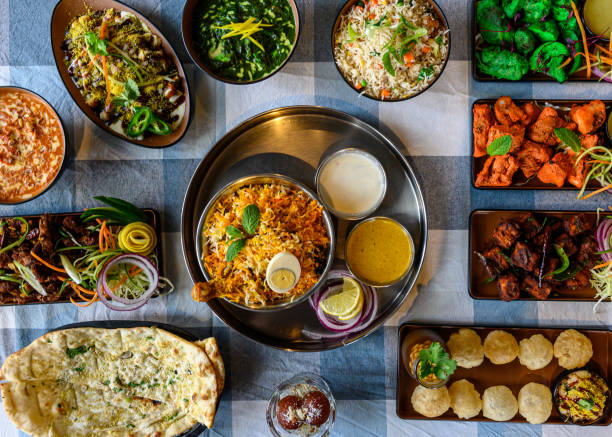
Introduction: Indian Cuisine and its Spice Culture
Indian cuisine is renowned for its bold flavors and spicy heat. The cuisine is a melting pot of different regional cuisines, each with its unique blend of spices and herbs. The abundance of spices used in Indian cuisine is a testament to the country’s rich history of trading spices to the rest of the world. Indian cuisine’s spice culture makes it one of the most diverse and exciting culinary experiences in the world.
The Role of Spices in Indian Cuisine
Spices are the heart and soul of Indian cuisine. They add depth, flavor, and complexity to dishes, making them more than just a source of sustenance. The use of spices in Indian cuisine is as old as the country itself, with many of its dishes dating back centuries. The sheer variety of spices used in Indian cooking is staggering, each one adding its unique taste and aroma to a dish. Spices are also believed to have medicinal properties, making them an essential part of Indian cuisine’s health benefits.
The Top 10 Spices in Indian Cooking
Indian cuisine uses a wide variety of spices, but some are more essential than others. Here are the top 10 spices used in Indian cooking:
- Cumin – a warm, earthy spice used in curries, chutneys, and spice blends.
- Coriander – a sweet and nutty spice used in Indian curries and spice blends.
- Turmeric – a vibrant yellow spice with a warm, bitter taste used in curries and rice dishes.
- Cardamom – a sweet and aromatic spice used in tea, desserts, and spice blends.
- Cinnamon – a sweet and warming spice used in desserts, curries, and spice blends.
- Cloves – a warm and pungent spice used in rice dishes, spice blends, and desserts.
- Fenugreek – a bitter and nutty spice used in curries and spice blends.
- Mustard seeds – a pungent and savory spice used in pickles, chutneys, and spice blends.
- Fennel – a sweet and floral spice used in desserts, tea, and spice blends.
- Black pepper – a pungent and spicy spice used in curries and spice blends.
Understanding the Heat: Indian Chilies
Indian cuisine is known for its heat, and chilies play a significant role in achieving that heat. There are many types of Indian chilies, each with varying levels of heat and flavor. The most common chilies used in Indian cuisine are green chilies, red chilies, and Kashmiri chilies. The heat in Indian cuisine is not just about adding spice; it is also about balancing out the other flavors in the dish.
The Aromatic World of Indian Masalas
A masala is a blend of spices used in Indian cooking. There are many types of masalas, each with its unique blend of spices. Masalas are typically used in curries, vegetables, and rice dishes. Some of the most common masalas used in Indian cuisine include garam masala, sambar masala, and rasam powder.
The Magic of Garam Masala
Garam masala is a spice blend that is widely used in Indian cooking. The name “garam” means hot, but the spice blend is not necessarily spicy. It is a warming blend of spices that includes cinnamon, cardamom, cloves, cumin, coriander, and black pepper. Garam masala is used in curries, rice dishes, and vegetables to add depth and warmth to the dish.
The Sweet Side: Saffron and Cardamom
While Indian cuisine is known for its heat, it also has a sweet side. Saffron and cardamom are two of the most common sweet spices used in Indian cooking. Saffron is used in desserts, rice dishes, and milk-based drinks to add a delicate floral flavor and a vibrant yellow color. Cardamom is used in desserts, tea, and spice blends to add a sweet and fragrant flavor.
The Health Benefits of Indian Spices
Indian cuisine’s use of spices goes beyond just flavor; many spices are believed to have medicinal properties. Turmeric is known for its anti-inflammatory properties, while cumin is believed to aid in digestion. Ginger is often used to treat nausea, and cloves are used as a natural pain reliever. Indian spices are also rich in antioxidants, making them an essential part of a healthy diet.
Pairing Spices with Foods: Indian Style
Indian cuisine’s use of spices is not just about adding flavor; it is also about pairing spices with different foods to create a harmonious balance of flavors. For example, cumin is paired with beans and lentils, while coriander is paired with vegetables and meat. Understanding which spices pair well with which foods is essential in creating a delicious Indian dish.
Conclusion: Embracing the Spice in Indian Food
Indian cuisine’s spice culture is a testament to the country’s rich history and diversity. The use of spices in Indian cooking goes beyond just flavor; it is an essential part of the country’s culture, heritage, and health benefits. Embrace the spice in Indian food, and you’ll discover a world of bold flavors and exciting culinary experiences.


Facebook Comments