 John Myers
Introduction to Tapioca
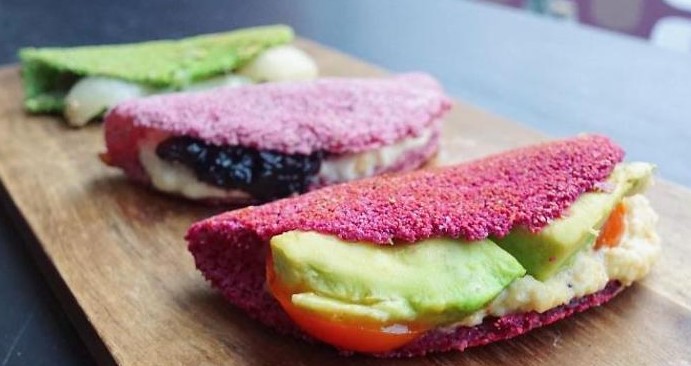
Tapioca is a starchy substance derived from cassava roots, which is widely used in Brazilian cuisine. It has a unique texture and can be used in a variety of dishes, both sweet and savory. Tapioca pearls are a popular ingredient in Brazilian street food, often filled with sweet or savory fillings and served as a snack or meal.
Tapioca is an important part of Brazilian culture and cuisine, and has gained popularity around the world as a gluten-free alternative to wheat-based products. It is versatile, nutritious, and easy to prepare, making it a staple in many households and restaurants.
The History of Tapioca in Brazil
Tapioca has been a part of Brazilian cuisine for centuries, dating back to the indigenous tribes who used it as a staple food source. It was later embraced by Portuguese colonizers and became a staple in the northeast region of Brazil, where it is still widely consumed today.
During colonial times, tapioca was used as a substitute for wheat flour, which was scarce in Brazil. It was also used as a form of payment for slaves, who were given cassava roots as part of their rations. Today, tapioca is an important part of Brazilian cuisine and has become a cultural icon in the country.
Varieties of Tapioca: Sweet and Salty
Tapioca can be prepared in a variety of ways, both sweet and savory. Sweet tapioca is often filled with ingredients like chocolate, coconut, and fruit, while savory tapioca is filled with meats, cheese, and vegetables.
Tapioca pearls can also be used in a variety of dishes, including soups, stews, and desserts. The pearls are often boiled until they become soft and translucent, and then added to dishes as a thickening agent or for texture.
Tapioca: Nutritional Benefits and Health Risks
Tapioca is a gluten-free and low-calorie alternative to wheat-based products, making it a popular choice for those with gluten allergies or on a low-carb diet. It is also high in carbohydrates, providing energy and fuel for the body.
However, tapioca is also low in nutrients and fiber, which can lead to digestive issues if consumed in large amounts. It is important to balance tapioca consumption with other nutrient-dense foods to maintain a healthy diet.
Different Ways to Prepare Tapioca
Tapioca can be prepared in a variety of ways, depending on the dish or recipe. The pearls can be boiled, steamed, or fried, and can be used as a thickening agent, a base for desserts, or a filling for savory dishes.
Tapioca flour can also be used as a gluten-free alternative to wheat flour in baking and cooking. It has a unique texture and flavor, and can be used in a variety of dishes.
Tapioca: A Staple of Northeastern Brazilian Cuisine
Tapioca is a staple in northeastern Brazilian cuisine, where it is consumed in a variety of ways. It is often served as a breakfast food, filled with sweet or savory ingredients, and is also used in traditional dishes like tapioca cake and tapioca pudding.
In northeastern Brazil, tapioca is also used in a variety of street foods, including tapioca crepes and tapioca dumplings. It is a versatile and delicious ingredient that is beloved by many in the region.
Popular Tapioca Recipes in Brazil
There are many popular tapioca recipes in Brazil, both sweet and savory. One popular savory dish is the tapioca crepe, which is filled with cheese, meat, and vegetables. Sweet tapioca dishes include tapioca pudding, which is made with coconut milk and sugar, and tapioca cake, which is made with eggs, sugar, and tapioca flour.
Tapioca pearls are also used in desserts like bubble tea and pudding, as well as in savory dishes like soups and stews. There are endless possibilities when it comes to cooking with tapioca.
Tapioca in the Global Culinary Scene
Tapioca has gained popularity in the global culinary scene, particularly as a gluten-free alternative to wheat-based products. It is widely used in Asian cuisine, particularly in bubble tea and desserts.
Tapioca pearls are also used in a variety of dishes in other parts of the world, including Africa and the Caribbean. It has become a versatile and popular ingredient in many different cuisines.
Where to Find Tapioca Around the World
Tapioca can be found in many specialty stores and online retailers around the world. It is also available in some grocery stores and health food stores.
In Brazil, tapioca can be found in markets and street vendors throughout the country, particularly in the northeast region. It is a beloved ingredient in Brazilian cuisine and culture.
Conclusion: A Versatile and Delicious Ingredient
Tapioca is a versatile and delicious ingredient that has been a part of Brazilian cuisine for centuries. It can be used in a variety of dishes, both sweet and savory, and has gained popularity around the world as a gluten-free alternative to wheat-based products.
While tapioca is low in nutrients and fiber, it can be enjoyed as part of a balanced diet. It is a staple in northeastern Brazilian cuisine and has become a cultural icon in the country. Whether you’re a fan of traditional Brazilian dishes or looking to experiment with new ingredients, tapioca is definitely worth exploring.


Facebook Comments