 John Myers
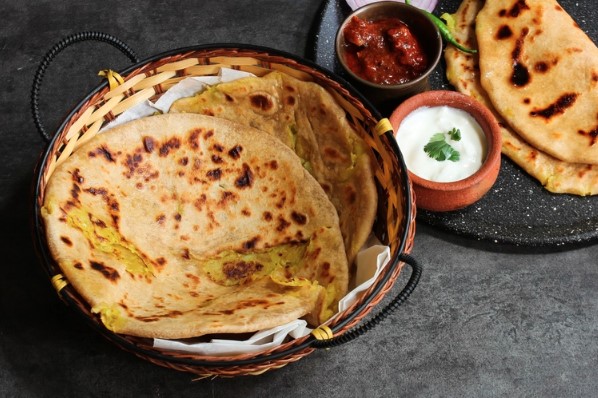
Introduction: Indian Flatbread and Its Varieties
Indian flatbread, also known as roti, chapati, or naan, is a staple food in Indian cuisine. It is a versatile bread made from flour, salt, and water, and sometimes enriched with ghee or oil. There are different types of Indian flatbread, each with its unique taste, texture, and purpose. Roti is a simple, unleavened bread that is typically eaten with curries or dal. Chapati is similar to roti, but it is rolled thinner and cooked on a griddle to achieve a crispier texture. Naan is a leavened bread that is traditionally baked in a tandoor oven and served alongside kebabs or other grilled dishes.
Culinary History and Significance of Indian Flatbread
Indian flatbread has been a part of Indian cuisine for thousands of years. It is believed to have originated in the Indus Valley civilization, where people used to cook flatbreads on earthenware griddles over open fires. Over time, Indian flatbread has evolved to reflect regional flavors, ingredients, and cooking techniques. Today, it is an essential part of the Indian diet and culture, symbolizing warmth, hospitality, and comfort. Indian flatbread is also an integral part of religious ceremonies and festivals, where it is prepared and shared with family and friends.


Facebook Comments