 John Myers
Introduction: The History of Algerian Bread
Bread has been a staple in the Algerian diet for centuries. The country’s rich history of bread-making dates back to ancient times when wheat was first cultivated in the region. The earliest records of bread-making in Algeria can be traced back to the Roman era, when the country was known as Numidia and was famous for its wheat production. Over time, bread-making in Algeria evolved, and various regional bread types emerged as a result of different culinary traditions, ingredients, and cooking methods.
The Importance of Bread in Algerian Culture
Bread is considered to be an essential part of Algerian culture. It is a symbol of hospitality, generosity, and social unity. In Algerian tradition, bread is always present on the table, whether it is a family meal or a festive occasion. Algerians take great pride in their bread-making skills, and many families have their recipes and techniques that have been passed down from generation to generation. Bread is also often given as a gift to friends and family members, and it is considered to be a significant gesture of affection.
Types of Algerian Bread: A Comprehensive Guide
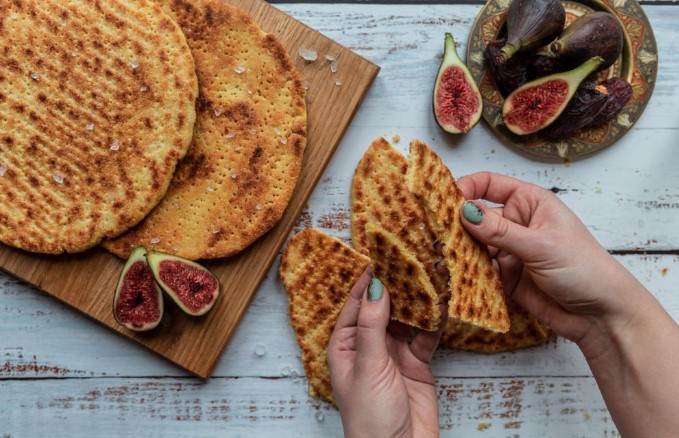
Algerian bread is incredibly diverse, with over a hundred types of bread that vary by region, ingredients, and preparation methods. Some of the most popular types include Khobz, a staple bread made with semolina flour and yeast; Mellaoui, a flaky, layered bread that is often served with honey or jam; and Harcha, a kind of cornbread that is cooked on a griddle. Other popular bread types include Batbout, Matlouh, and Kesra.
The Role of Bread in Algerian Cuisine
Bread is an integral part of Algerian cuisine and is often used in a variety of dishes. For example, Khobz is commonly used as a base for sandwiches, while Mellaoui is often served with tea or coffee. Algerian bread is also frequently used in meat dishes such as Couscous, a traditional Algerian dish made with semolina grains, vegetables, and meat. Bread is also an essential accompaniment to Algerian soups, stews, and salads.
Traditional Bread-Making Techniques in Algeria
Algerian bread is made using traditional techniques that have been passed down from generation to generation. The process typically involves mixing flour, yeast, water, and salt to form a dough, which is then shaped and left to rise. Many Algerian bread types are cooked in a traditional wood-fired oven, which gives the bread a unique flavor and texture.
The Use of Local Ingredients in Algerian Bread
Algerian bread is made using locally sourced ingredients, including wheat, semolina, cornmeal, and barley. Algerians take great pride in using high-quality ingredients, and many families grow their wheat or corn to use in their bread-making. The use of local ingredients gives Algerian bread its distinctive taste and texture.
Celebrating Bread: Algerian Festivals and Rituals
Bread is an essential part of Algerian festivals and rituals. During Ramadan, Algerians break their fast with a special bread called Kesra, which is typically made with semolina flour and yogurt. During Eid al-Fitr, the end of Ramadan, Algerians prepare a variety of sweets and pastries, including Makroudh, a type of date-filled pastry that is often served with Algerian tea.
Algerian Bread and its Influence on French Cuisine
Algerian bread has had a significant influence on French cuisine. After Algeria became a French colony in 1830, French bakers were introduced to Algerian bread-making techniques, and Algerian bread became a popular item in French bakeries. Today, Algerian bread is still widely available in France and is enjoyed by people of all backgrounds.
Exploring the Health Benefits of Algerian Bread
Algerian bread is a healthy and nutritious food that is high in fiber and a good source of carbohydrates. The use of whole grain flours and local ingredients also adds to its nutritional value. Algerian bread is also low in fat, which makes it an excellent choice for people who are watching their weight.
Conclusion: Algerian Bread as a Cultural Heritage
Algerian bread is not only a food item but also a cultural heritage. It is an integral part of Algerian culture and history, and its diversity and richness reflect the country’s culinary tradition. Algerian bread-making techniques have been passed down from generation to generation and continue to be an essential part of Algerian culture today. Algerian bread has also had a significant influence on French cuisine, and its unique taste and texture make it a favorite among people of all backgrounds.


Facebook Comments