 John Myers
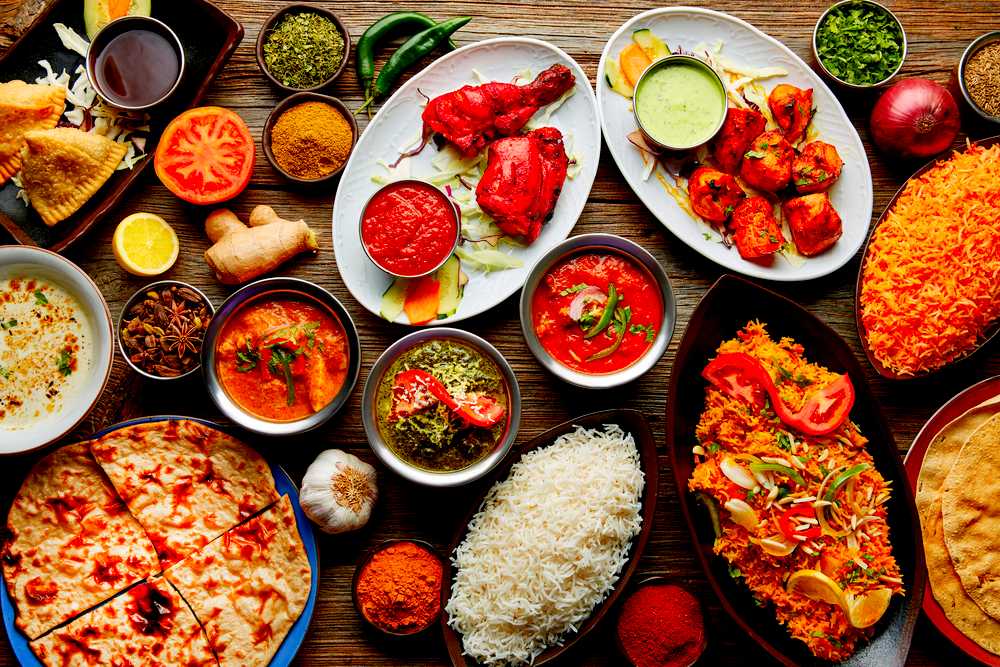
Introduction: The Significance of Indian Bread
Bread is a staple food in Indian cuisine and is consumed in various forms across the country. Indian bread is not just a mere accompaniment to the main course, but it is an essential part of everyday meals. Indian bread is not only a source of nutrition but also has cultural and historical significance. The rich history of Indian bread goes back centuries and is intertwined with the country’s diverse regional and religious diversity.
Origins of Indian Bread: A Historical Perspective
The history of Indian bread can be traced back to the Indus Valley Civilization, where evidence of flatbread has been found. The Aryans who migrated to India around 1500 BCE introduced wheat and barley, which became the primary ingredients for bread-making in India. Bread-making techniques further evolved with the advent of Buddhism, Jainism, and Islam in India, which brought new spices, herbs, and cooking methods. The use of yeast in bread-making was also introduced by the Portuguese in the sixteenth century. The bread-making techniques and recipes have been passed down from generation to generation, and today Indian bread is an amalgamation of many cultures and traditions.
The Role of Indian Bread in Ancient India
In ancient India, bread was considered a symbol of hospitality and was often offered to guests as a gesture of goodwill. Bread was also used as a bartering commodity, and in some parts of India, it was used as a form of currency. The importance of bread in ancient India can also be seen in historical texts such as the Vedas and the Mahabharata, where bread was referred to as “roti” and was considered a vital part of daily meals.
The Variety of Indian Bread: A Regional Analysis
Indian bread comes in a variety of shapes, sizes, and flavors that vary across regions. In the north, bread like naan, paratha, and kulcha are popular, while in the east, pitha and luchi are common. In the west, bhakri and theplas are preferred, and in the south, dosa and appam are popular forms of bread. Each type of bread is unique to the region, and the preparation method, ingredients, and flavors vary significantly.
Indian Bread Making Techniques: From Handmade to Modern Methods
Traditional Indian bread-making techniques involve kneading the dough by hand, which requires skill and expertise. However, modern methods of bread-making, such as using a food processor, have made the process much easier. The use of electric ovens and bread makers has also simplified the bread-making process, although many traditionalists still prefer the handmade method.
The Nutritional Value of Indian Bread
Indian bread is a significant source of carbohydrates and is a staple food for millions of people. However, bread made from refined flour can be high in calories and may not be the best choice for people who are trying to maintain a healthy diet. Bread made from whole wheat flour, on the other hand, is an excellent source of fiber, vitamins, and minerals and is a healthier option.
Indian Bread in Modern Times: Changing Trends and Preferences
With the changing lifestyle and preferences of people, the demand for bread with different flavors and ingredients has increased. Bakeries and restaurants now offer a variety of options such as garlic bread, cheese bread, and multi-grain bread to cater to the changing tastes of consumers. Many people also prefer gluten-free bread, and this has led to the development of new recipes and preparation techniques.
Cultural Significance of Indian Bread in Celebrations and Festivals
Indian bread is an essential part of celebrations and festivals in India. For example, during Diwali, a festival of lights, people prepare a variety of bread such as puri, paratha, and naan. Similarly, during Eid, a festival celebrated by Muslims worldwide, bread such as sheermal and taftan are prepared. Indian bread is also an integral part of religious ceremonies and is often used for offering to the gods.
Indian Bread in the Global Culinary Scene: Popularity and Influence
Indian bread has gained popularity in the global culinary scene, and many Indian restaurants worldwide serve various types of bread. Indian flatbread such as naan and roti have become popular as an accompaniment to curries, and some bread such as dosa and idli have become a dish on their own. Indian bread has also influenced the baking industry, with many bakeries experimenting with Indian spices and flavors to create unique bread.
Conclusion: The Enduring Legacy of Indian Bread
Indian bread has a rich history and cultural significance that has been passed down from generation to generation. Today, Indian bread is an essential part of Indian cuisine and is enjoyed by millions of people worldwide. The variety of bread, regional diversity, and cultural significance make Indian bread a unique and integral part of Indian food culture. The enduring legacy of Indian bread is a testament to its importance in Indian cuisine and its relevance in modern times.


Facebook Comments