 John Myers
Introduction: The Traditional Indian Buffet
The Indian buffet is a culinary experience that is enjoyed by people all over the world. The buffet is a popular way of serving food in India, and it is considered to be one of the best ways to experience the variety and richness of Indian cuisine. A typical Indian buffet features a wide range of dishes, both vegetarian and non-vegetarian, from different regions of the country.
The Origins of the Indian Buffet
The origins of the Indian buffet can be traced back to the Mughal era in India. The Mughal emperors were known for their love of food, and they would often host lavish feasts for their guests. The concept of the buffet was introduced during this time, as it allowed the guests to sample a variety of dishes at once. Over time, the buffet became a popular way of serving food in India, and it is now a staple at weddings, parties, and other social gatherings.
An Overview of Indian Cuisine
Indian cuisine is known for its rich and diverse flavors, and it is considered to be one of the most popular cuisines in the world. The cuisine is influenced by various factors, including geography, climate, religion, and culture. The use of spices is a key characteristic of Indian cuisine, and dishes are often prepared with a blend of spices and herbs to create a unique flavor profile. Some of the most popular ingredients in Indian cuisine include rice, lentils, vegetables, and meats such as chicken, lamb, and fish.
The Buffet Spread: What to Expect
A typical Indian buffet will feature a wide range of dishes, including appetizers, main courses, and desserts. Appetizers may include items such as samosas, pakoras, and chaat, while main courses may include biryanis, curries, and tandoori dishes. Desserts may include sweets such as rasgullas, gulab jamuns, and kheer. The buffet spread is usually served with rice, naan bread, and other accompaniments.
Vegetarian Options in the Indian Buffet
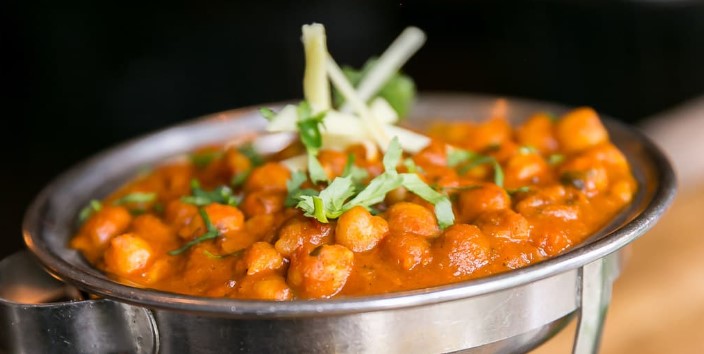
Indian cuisine is known for its vegetarian options, and a typical Indian buffet will feature a range of vegetarian dishes. Some popular vegetarian options include paneer dishes, such as palak paneer and paneer tikka, as well as lentil dishes, such as dal makhani and chana masala. Vegetarian dishes are often prepared with a variety of spices and herbs to create a unique flavor profile.
Non-Vegetarian Delights in the Indian Buffet
Non-vegetarian options in the Indian buffet may include chicken, lamb, and fish dishes. Tandoori chicken is a popular choice, as well as chicken tikka masala and butter chicken. Lamb dishes may include rogan josh and lamb biryani, while fish dishes may include tandoori fish and fish curry. Non-vegetarian dishes are often prepared with a blend of spices and herbs to create a unique flavor profile.
Exploring Regional Cuisines in the Buffet
India is a diverse country with a variety of regional cuisines, and a typical Indian buffet will feature dishes from different regions. For example, dishes from the north may include naan bread, tandoori chicken, and chana masala, while dishes from the south may include dosas, idlis, and sambar. Dishes from the east may include fish curry and machher jhol, while dishes from the west may include dhokla and pav bhaji.
Pairing Beverages with Indian Buffet Dishes
Indian cuisine is often paired with a variety of beverages, including lassi, chai, and beer. Lassi is a popular drink made with yogurt and fruit, while chai is a popular tea made with milk and spices. Beer is also a popular beverage to pair with Indian cuisine, as it helps to balance out the heat of the spices.
Eating Etiquette: Dos and Don’ts in the Buffet
When eating at an Indian buffet, there are several dos and don’ts to keep in mind. It is important to use a separate plate for each trip to the buffet, and to avoid using your hands to serve yourself. It is also important to try a little bit of everything, and to pace yourself so that you can enjoy all the different dishes on offer.
Conclusion: The Indian Buffet Experience
The Indian buffet is a culinary experience that is not to be missed. With a wide range of vegetarian and non-vegetarian options, as well as dishes from different regions of the country, the buffet is a great way to experience the richness and diversity of Indian cuisine. By following proper eating etiquette and pairing your dishes with the right beverages, you can enjoy a truly unforgettable dining experience.



Facebook Comments