 John Myers
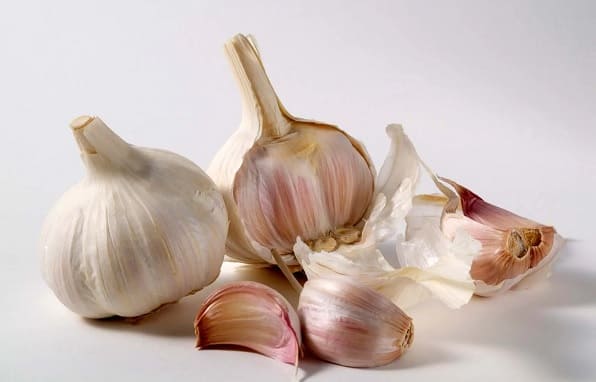
Connoisseurs appreciate its distinctive, spicy taste, but garlic can do even more: the tubers contain secondary plant substances that are said to have a positive effect on health. Read what garlic is good for and how best to process it.
Is the effect of garlic proven?
The question “How healthy is garlic?” As is so often the case, science answers this differently than folk medicine. The medical effects of garlic have not been proven by studies in all areas in which the onion plant is said to be good for the body. The German Society for Nutrition (DGE) points out that although there are indications of possible health effects from the secondary plant substances contained in garlic in laboratory tests, these cannot be directly transferred to humans. These include
- the inhibiting effect of garlic on germs (bacteria, fungi, possibly viruses),
- the blood-thinning effect of garlic and thus protection of the blood vessels,
- a blood pressure and cholesterol-lowering effect of the tubers,
- antioxidant effects (neutralization of cell-damaging free radicals)
- and an association with a lower risk of certain types of cancer.
Even if, due to the insufficient data available according to the DGE, no intake recommendations for garlic can be given, the overall positive effect of secondary plant substances is undisputed and a sufficient consumption of vegetables, fruit, and herbs is advisable.
Garlic tablets can have side effects
Anyone who frequently consumes fresh garlic up to a normal amount of about four to five grams per day is certainly not doing anything wrong in terms of their health. However, care should be taken with dietary supplements. The health effect of garlic in tablets is not only dubious, but can also be disadvantageous. For example, garlic can have a negative effect on the circulatory system: a drop in blood pressure and dizziness are possible. Other side effects such as gastrointestinal complaints, allergic reactions, or drug interactions have also been observed. With fresh garlic, only the smell is a side effect, which can be unpleasant.
What is the best way to get rid of the smell of garlic?
Unfortunately, the smell of garlic cannot be completely avoided, but at least you can mitigate it with a few tricks. This starts with the preparation: first remove the green germ in the middle of the garlic cloves. If you then chop the garlic instead of pressing it, less juice will come out. This contains a particularly large amount of the substance allicin, which is essentially responsible for the intense smell. If you want to use garlic as a spice, you can also just put the pressed cloves in the food without eating them later. You can also sauté chopped garlic in a little oil and remove it again before using the flavored oil. Or you can pickle the garlic – this takes away some of its pungent aroma.
However, if you want to eat the healthy garlic, a more or less pronounced bad breath cannot be avoided. To a certain extent, a glass of high-fat milk afterward can help moderate the sulfur-containing compounds in garlic. It neutralizes the smell of garlic in the throat for a certain time. It is considered more effective than brushing your teeth.
The plant substance chlorophyll can also help to reduce the unpleasant odor from the mouth. Chlorophyll is either available as tablets from the pharmacy, but is also contained in fresh green plants or herbs. If you like, you can chew some fresh parsley or peppermint leaves after enjoying the garlic. In addition, the essential oils from fresh ginger or cardamom are considered a good antidote. However, many find chewing on these plants not particularly pleasant, so peppermint chewing gum is a better choice for many.
Irrespective of this, we not only exude the smell of garlic from our mouths, but also through our sweat. Therefore, only a combination of fresh breath remedies and a hot shower is really effective against a “garlic plume”. If you want to know how to neutralize odors at home and which home remedies help, you will find everything you need to know here.
How to process and use fresh Knofi
To avoid the typical “garlic flag”, you can use black garlic. The fermented version of the tuber does not cause bad breath, but tastes sweet and sour instead of spicy and hot. Due to its soft consistency, black garlic cannot be pressed. The situation is different with the white cloves: the expert gives tips on when and how to press or cut garlic. And what about the use of the onion spice in the kitchen? As a seasoning ingredient, garlic refines numerous dishes from stir-fried vegetables to roasts. Bake a delicious garlic baguette: not only does it taste good, but you are guaranteed to benefit from the effects of garlic without having to worry about side effects.



Facebook Comments