 John Myers
Introduction: Nigerian cuisine
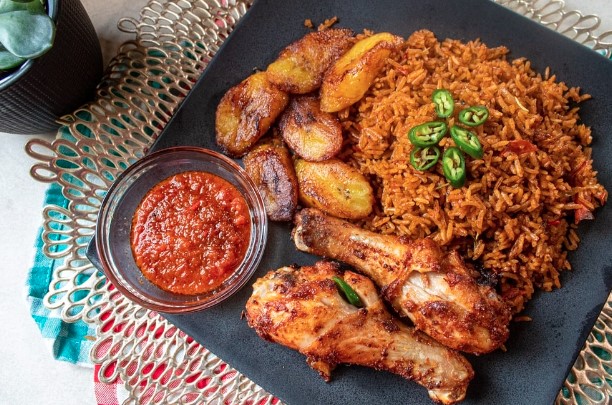
Nigerian cuisine is known for its rich and diverse flavors, which are influenced by the country’s many ethnic groups and the availability of locally grown ingredients. Nigerian cuisine is characterized by a combination of spices, herbs and seasonings, which add a depth of flavor to the food. Some of the most popular Nigerian dishes include jollof rice, pepper soup, egusi soup, pounded yam, and fufu.
The importance of meals in Nigerian culture
In Nigerian culture, meals are an important part of daily life. They are a time for families and friends to come together and share food, stories, and laughter. It is not uncommon for people to invite friends and neighbors over for a meal, even if it is just a simple dish. Nigerian hospitality is legendary, and food is an important part of this hospitality. Nigerians are known for their love of food and their ability to prepare delicious meals that are both satisfying and nourishing.
Staple foods in Nigerian cuisine
Staple foods in Nigerian cuisine include rice, yams, cassava, plantain, beans, and maize. These foods are often used to make starchy dishes such as fufu, which is a dough-like food made by pounding yam or cassava. Other popular dishes include jollof rice, which is a one-pot dish made with rice, tomato sauce, and spices, and egusi soup, which is made with ground melon seeds and vegetables. Nigerian cuisine also includes a variety of meats, including beef, chicken, goat, and fish.
Eating habits in Nigeria
In Nigeria, meals are typically eaten with the right hand, as it is considered disrespectful to use the left hand. Nigerians often eat their meals in a communal setting, with everyone sharing from the same dish. This is a sign of friendship and solidarity, and it is common for people to offer food from their plates to others at the table.
Traditional Nigerian mealtime customs
In Nigerian culture, mealtime is a time for conversation and socialization. It is common for people to take their time eating and to engage in lively conversation during the meal. Traditional Nigerian mealtime customs include using a communal bowl to share food, offering food to others at the table, and using the right hand to eat. It is also customary to wash your hands before and after eating.
Conclusion: A taste of Nigeria
Nigerian cuisine is a reflection of the country’s diverse cultural heritage and the availability of locally grown ingredients. Meals are an important part of Nigerian culture, and they are often shared with friends and family in a communal setting. Nigerian hospitality is legendary, and food is a central part of this hospitality. With its rich and diverse flavors, Nigerian cuisine is sure to delight anyone who tries it.


Facebook Comments