 John Myers
Introduction: Exploring Traditional Indian Family Meals
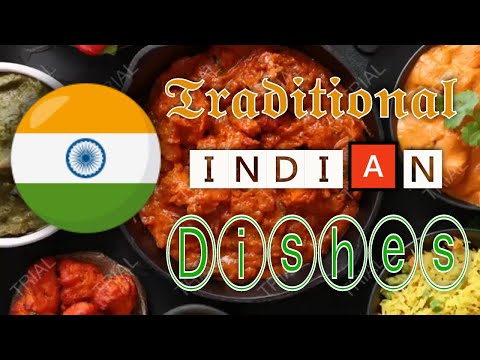
Indian cuisine is widely appreciated for its rich blend of flavors, spices, and diverse regional specialties. Food plays a significant role in Indian culture, acting as a unifying force that brings families and communities together. Indian family meals are steeped in traditions that have been passed down through generations and are an integral part of the country’s cultural heritage. In this article, we will explore the importance of food in Indian culture, the role of the family in mealtime, common ingredients and spices used in Indian cooking, various regional specialties, and traditional breakfast, lunch, dinner, and festive dishes.
The Importance of Food in Indian Culture
Food has a special place in Indian culture, representing the essence of hospitality, warmth, love, and togetherness. In India, food is not just a means of sustenance but a way of life, a way of expressing love and gratitude. Food is also considered sacred, and many Indian households have a separate prayer room or altar where they offer food to the gods before consuming it. Indian cuisine is diverse, with each region having its unique flavors, cooking methods, and ingredients. From the rich and creamy curries of North India to the spicy and tangy dishes of South India, Indian food offers a plethora of options.
The Role of Family in Indian Mealtime
Indian mealtime is a family affair, with all members sitting together and sharing a communal platter. The family bond is strengthened during mealtime, as it is an opportunity to catch up on each other’s lives and share stories. Indian families take pride in the food they prepare and serve, and it is considered a form of respect to offer guests a meal. The meal is typically served on a steel plate or banana leaf and eaten with the hands. The eldest member of the family usually starts the meal, and everyone follows suit.
Common Indian Spices and Ingredients
Indian cuisine is renowned for its use of spices, which not only add flavor but also have immense health benefits. Some of the common spices used in Indian cooking are cumin, coriander, turmeric, cardamom, cinnamon, cloves, and black pepper. Indian cuisine also uses a range of fresh herbs, including cilantro, mint, and curry leaves. Lentils, rice, vegetables, and dairy products are staple ingredients in Indian cooking. Ghee, a type of clarified butter, is also used extensively in Indian cuisine.
Regional Variations in Indian Family Cuisine
India has a diverse culinary landscape, with each region having its distinct specialties. North Indian cuisine is known for its rich and creamy curries, tandoori dishes, and bread like naan and paratha. South Indian cuisine is characterized by its spicy and tangy dishes, including dosa, idli, and sambhar. East Indian cuisine features a unique blend of sweet and savory flavors, with dishes like rasgulla and mishti doi. In contrast, West Indian cuisine has a strong influence of Portuguese and African cuisines, with dishes like vindaloo and sorpotel.
Traditional Indian Breakfast Dishes
Indian breakfast dishes range from savory to sweet and are packed with flavor and nutrients. Some of the popular breakfast dishes in India are idli, dosa, upma, paratha, puri, and poha. These dishes are typically served with chutneys, pickles, and sambar. Indian chai or tea is a quintessential part of the Indian breakfast experience.
Lunch and Dinner: A Typical Indian Meal
A typical Indian meal consists of rice or roti served with a variety of curries and side dishes. Indian curries are typically made with a combination of vegetables, meat, or lentils, and flavored with a range of spices. Some of the popular Indian curries are butter chicken, palak paneer, chana masala, and aloo gobi. Indian meals are also accompanied by dal or lentil soup, which is a rich source of protein.
Festive and Special Occasion Dishes
Indian festivals and special occasions are incomplete without special dishes that are prepared for the occasion. For example, during Diwali, a popular festival in India, people prepare sweets like gulab jamun, rasgulla, and laddu. During weddings and other celebrations, biryani, a rice dish cooked with spices and meat, is a popular choice.
The Significance of Desserts in Indian Cuisine
Desserts hold a special place in Indian cuisine, with a wide range of sweet treats being prepared for various occasions. Some of the popular Indian sweets are rasgulla, gulab jamun, jalebi, and barfi. Indian desserts are typically made with milk, sugar, and a range of spices and nuts.
Conclusion: Preserving and Sharing Indian Family Meals
Indian family meals are an essential part of the country’s cultural heritage, representing warmth, love, and togetherness. As people move away from their roots and settle in different parts of the world, it becomes essential to preserve and share the rich culinary traditions of India. By exploring traditional Indian family meals and their significance, we can gain a deeper appreciation for the role of food in Indian culture and work towards preserving this heritage for future generations.


Facebook Comments