 John Myers
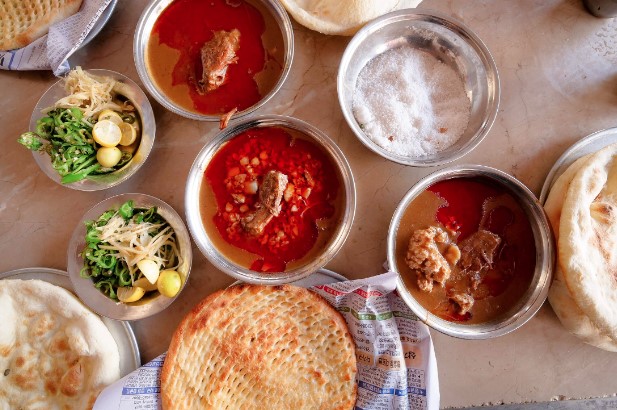
Introduction: Understanding Pakistani Meal Culture
Pakistani cuisine is a diverse and rich collection of flavors and ingredients. Food is a crucial aspect of Pakistani culture, and mealtimes are seen as an opportunity to connect with family and friends. In Pakistani society, food is considered a form of hospitality and a way to show love and care. Family members often gather around the dining table to enjoy a meal and share their stories and experiences.
Pakistani meals are known for their aromatic spices, which add a unique flavor to dishes. The cuisine is influenced by different regions and subcultures within Pakistan, as well as its neighbors, such as India, Iran, and Afghanistan. The diversity of Pakistani food is also due to the varying climates and topography, which allow for a wide range of ingredients to be grown and utilized in cooking.
Meal Times and Frequency in Pakistani Culture
In Pakistani culture, there are three main meals of the day: breakfast, lunch, and dinner. Breakfast is usually a light meal and may consist of paratha (a type of flatbread), omelets, or chai (tea). Lunch is the main meal of the day and is typically eaten around midday. Dinner is a lighter meal and is usually eaten later in the evening.
Snacks and street food are also popular in Pakistani culture and are often enjoyed in between meals. It is not uncommon for people to gather in tea shops or street food stalls in the evenings to socialize and enjoy a quick bite.
The Role of Rice and Bread in Pakistani Cuisine
Rice and bread are staples in Pakistani cuisine and are often used as a base for dishes. Rice is usually eaten with curries and stews, and it is often flavored with saffron or other spices. Biryani, a popular Pakistani dish, is a rice-based dish that includes meat, spices, and vegetables.
Bread is also a crucial part of Pakistani cuisine. Naan, a type of flatbread, is a popular accompaniment to curries, and it is often used to scoop up the sauce. Roti, a thinner flatbread, is another popular bread that is typically eaten with lentils or vegetables.
Common Pakistani Dishes and their Accompaniments
There are several common dishes in Pakistani cuisine, each with its unique flavor and ingredients. Biryani, as mentioned earlier, is a popular dish that is typically made with chicken or beef. Karahi, another well-known dish, is a spicy curry that is made with chicken, lamb, or goat.
Accompaniments to Pakistani dishes can include raita, a yogurt-based sauce that helps to cool down spicy dishes, and chutney, a sweet and tangy sauce. Salads are also common, and they are usually made with cucumbers, tomatoes, and onions.
Dining Etiquette and Customs in Pakistani Culture
In Pakistani culture, it is customary to eat with the right hand, as the left hand is considered unclean. It is also customary to remove shoes before entering a home and to wash hands before eating.
When dining with others, it is considered polite to offer food to others before serving yourself. It is also customary to finish everything on your plate, as leaving food is seen as disrespectful to the host.
Conclusion: The Significance of Food in Pakistani Culture
Food is an essential part of Pakistani culture, and it plays a crucial role in bringing people together. Meals are seen as an opportunity to connect with family and friends, and they are often accompanied by stories and laughter. The diversity of Pakistani cuisine reflects the country’s rich history and cultural influences, and it continues to be a source of pride for Pakistanis around the world.


Facebook Comments