 John Myers
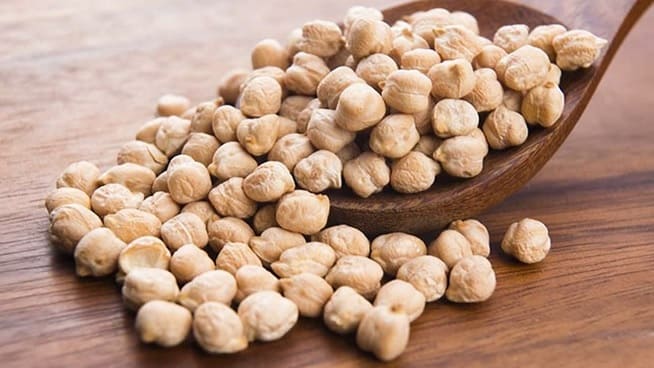
Place cooked or canned chickpeas in a large bowl, then fill with water. Then you take a few chickpeas in your hand and roll them back and forth between your palms. The shell comes off. You can then put the chickpeas that have been processed in this way back into the water: the shell then floats on the surface, the peas sink to the bottom. This makes it easy to skim off the skins on the surface.
Should you peel chickpeas?
Chickpeas do not need to be shelled before eating. If you remove the shell, the chickpeas will taste even better and the homemade hummus will be creamier.
How long can you keep cooked chickpeas?
The cooked legumes can be kept for about three months and can be processed immediately after thawing.
How do you store chickpeas?
Stored cool, dry and protected from light, they can be kept for up to two years. Important: Before eating, dried chickpeas must be soaked in three times the amount of water (about 12 hours) and then cooked through.
How long do you have to soak chickpeas?
Ideally, let the chickpeas soak for 24 hours. However, it should be at least 12 hours. If the water is not enough, you can add a little more at a later time. You can simply leave the pot at room temperature with the lid closed.
Can you eat soaked chickpeas raw?
Chickpeas are poisonous when raw, so it is important to soak and cook them properly. Dried chickpeas contain the toxic protein phasin, which is destroyed by soaking and cooking.
How do you prepare dried chickpeas?
In a saucepan, cover the chickpeas with twice the amount of water and let them soak for at least 12 hours. During the swelling period, the chickpeas absorb a lot of water. You may need to add some more water if necessary.
Why do chickpeas foam?
They contain the indigestible substance phasin and the bitter substance saponin. The soaking and cooking water should therefore not be reused. At the beginning of the boiling, a lot of foam (saponin) develops and the water boils over slightly.
Why do you have to wash chickpeas?
There is only one exception: legumes, such as white and red beans, lentils, and chickpeas, should be rinsed before preparation. This reduces the “risk” of gas. Because they can be unpleasant… Ready-to-eat salads are, as the name suggests, actually ready to use.
When are chickpeas no longer poisonous?
The poisonous phasin is only eliminated when the chickpeas are cooked. After you have heated the legumes for about 20 minutes, the protein is denatured and therefore harmless. The dried chickpeas are also toxic because the drying process does not damage the protein.
Can dried chickpeas go bad?
Dried chickpeas can be kept for up to two years if stored in a cool, dry place away from light. Canned goods have a shelf life of several years. If the can is undamaged and the contents look, smell and taste typical, you can still eat the chickpeas.
Can you reheat chickpeas?
Legumes like beans, lentils, and peas also have a rumor that they shouldn’t be reheated, but that’s unfounded. The only thing that could “happens” when reheating is that the vitamins and nutrients will suffer and the legumes may not be as nutritious.
What do bad chickpeas taste like?
It doesn’t work that quickly in the fridge – but just smell it, look at the liquid and try one…they tend to taste musty and bitter if they’ve been soaked for too long…
Can chickpeas be frozen?
Freezing chickpeas is quick and easy. Only the cooked chickpeas are suitable for freezing. Because in the dried state, properly packaged, the legumes can be kept for many months.


Facebook Comments